
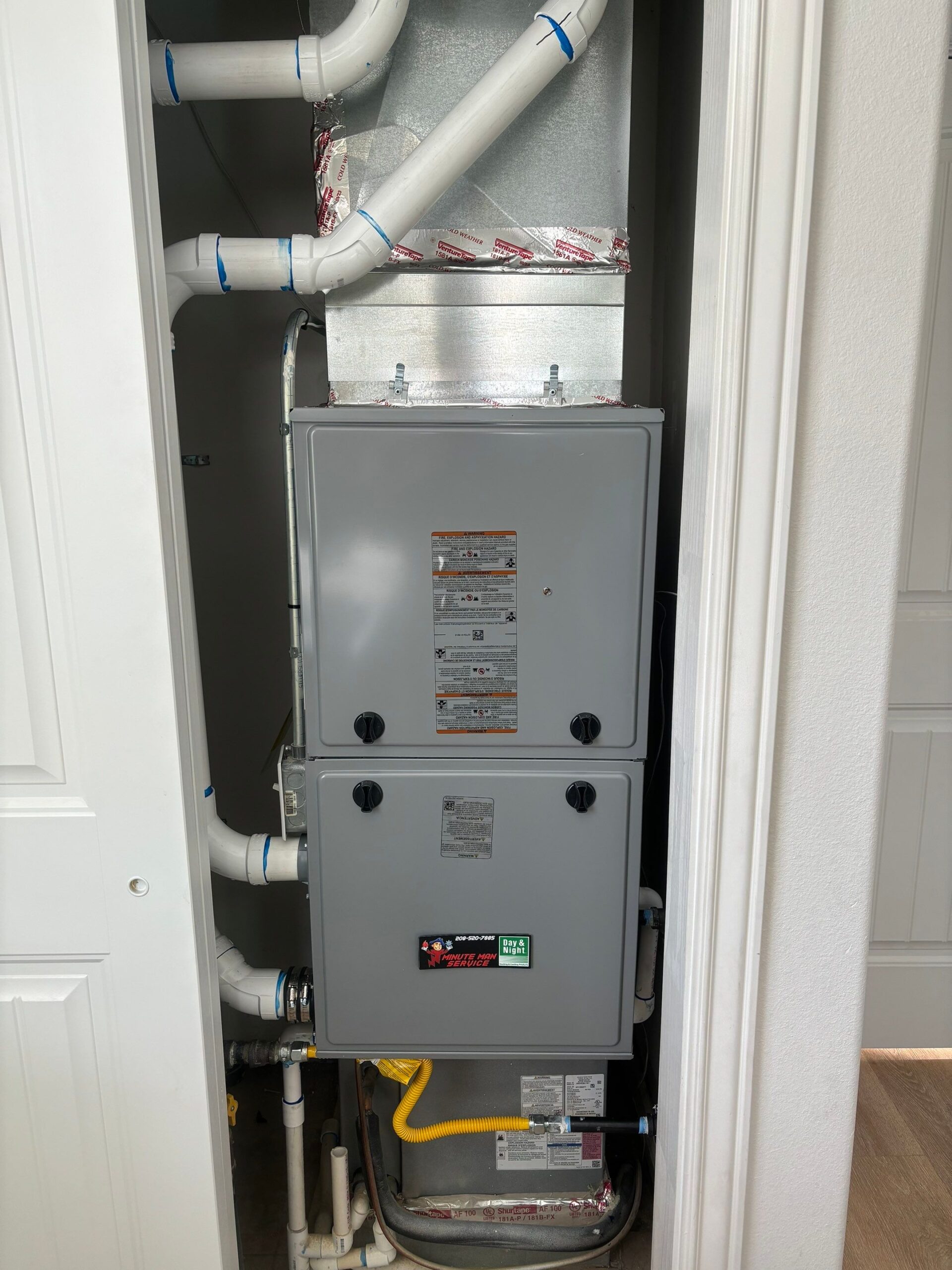
HVAC Tips for New Homeowners in Idaho Falls
Moving into a new home is one of life’s most exciting milestones. As a new homeowner in Idaho Falls, you are likely creating a long to do list, from unpacking boxes to painting walls. Amidst all this activity, it is easy to overlook one of the most important systems in your new house: the heating, ventilation, and air conditioning (HVAC) system. This system is the heart of your home’s comfort, working tirelessly to keep you warm during our cold Idaho winters and cool during the summer.
Understanding your HVAC system is not just about comfort; it is a critical part of protecting your investment. A well maintained system runs more efficiently, saves you money on utility bills, and lasts significantly longer. Neglecting it can lead to surprise breakdowns, expensive emergency repairs, and decreased air quality. As a new owner, you are inheriting a system with an unknown history. Taking a few key steps right away can set you up for years of reliable, efficient comfort.
Get to Know Your System
Your first step as a new homeowner is to identify what kind of HVAC system you have. You need to know what equipment is responsible for your comfort. Is it a natural gas furnace? An electric furnace? Do you have a central air conditioner, or is your heating and cooling combined in a heat pump? Some homes, especially with additions, may have a ductless mini split system.
Locate the equipment. The indoor unit, which is the furnace or air handler, is typically found in a basement, crawlspace, garage, or utility closet. The outdoor unit, the air conditioner condenser or heat pump, is located on a pad outside. Take a moment to look at the nameplates on these units. Write down the brand name, model number, and serial number. This information is essential if you need to order parts, check warranty status, or schedule a service call.
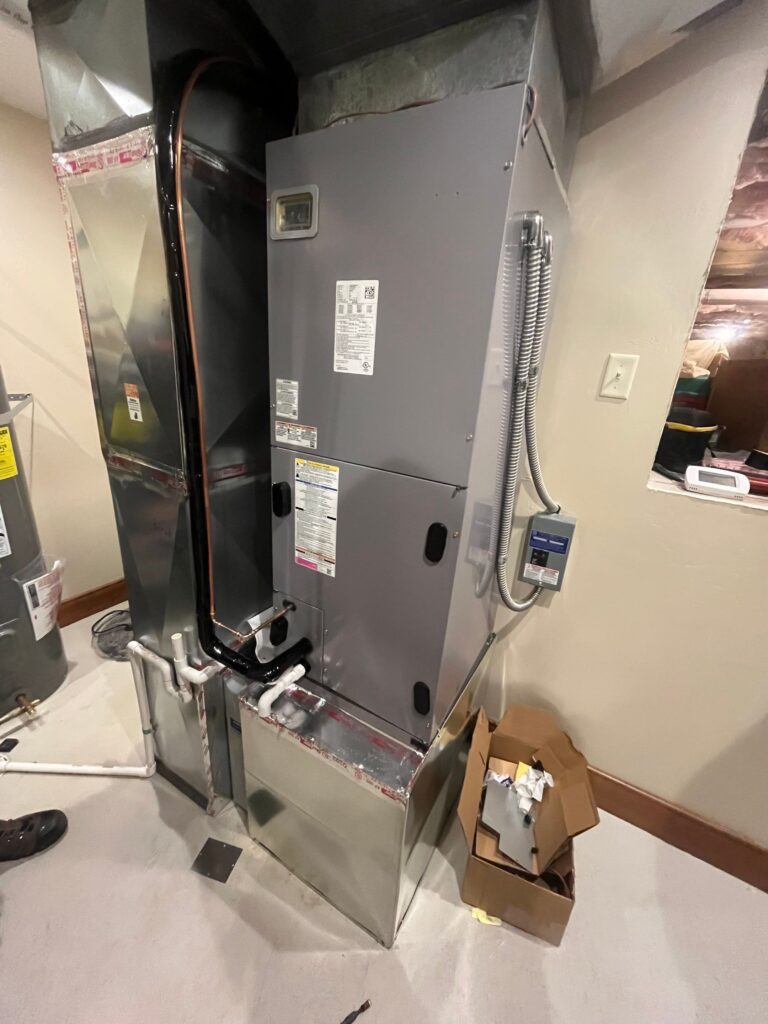
It is also vital to determine the age of your system. This may have been included in your home inspection report. If not, the manufacturing date is often encoded in the serial number. An HVAC professional can help you decipher this. The average lifespan of a furnace or air conditioner is about 15 to 20 years. Knowing your system’s age helps you budget for future replacement instead of being surprised by a sudden, total failure.
The Critical Importance of the Air Filter
The single most important maintenance task you can perform for your HVAC system is changing the air filter. This simple step is often overlooked, yet it is the number one cause of system failures. The filter’s primary job is not just to clean the air you breathe, though that is an important benefit. Its main purpose is to protect the sensitive internal components of your furnace and air conditioner from dust, pet hair, lint, and other debris.
When a filter becomes clogged, it chokes the system. Air cannot pass through it easily. This restriction forces the blower motor to work much harder, use more energy, and burn out prematurely. This lack of airflow can also cause your furnace’s heat exchanger to overheat and crack, which is a serious safety hazard. In the summer, it can prevent air from moving over the air conditioner’s indoor coil, causing it to freeze solid and potentially destroying the compressor.
Need furnace maintenance? Click here for our furnace maintenance service.
As a new homeowner, you should replace the air filter immediately. You have no way of knowing when the previous owner last changed it. First, locate the filter. It is usually in a slide in slot on the furnace or air handler, or it might be in a large return air grille in a ceiling or wall. Note the size printed on the filter’s cardboard frame. Purchase a quality replacement and install it, paying attention to the arrow indicating the correct airflow direction. Plan to check it monthly and replace it every 1 to 3 months for a standard 1 inch filter. If you have a thicker 4 or 5 inch media filter, it may last 6 to 12 months.
Understand Your Thermostat
The thermostat is the brain of your HVAC system. It is the control panel you use every day, and learning its functions is key to both comfort and efficiency. You may have a simple, manual thermostat, a programmable one, or a modern smart thermostat. If your thermostat is an old, mercury based dial, your first upgrade should be a new programmable or smart model.
If you have a programmable thermostat, take the time to set a schedule. This is one of the most effective ways to save money. There is no reason to keep your home at 70 degrees when everyone is at work or school. By setting the temperature back 7 to 10 degrees for 8 hours a day, you can save a significant amount on your annual energy bills. A common myth is that it takes more energy to reheat a house than it does to just leave the temperature constant. This is incorrect. The energy saved during the setback period is always greater than the energy used to recover.

If your home came with a smart, Wi-Fi enabled thermostat, download the corresponding app to your phone. These devices offer great control, allowing you to adjust the temperature from anywhere. They also provide energy usage reports that can help you identify more ways to save. Finally, check the fan setting. For maximum efficiency, the fan should be set to “Auto,” not “On.” The “Auto” setting means the fan only runs when the system is actively heating or cooling. The “On” setting runs the fan 24/7, which wastes electricity.
Keep Outdoor Units Clear
Your outdoor HVAC unit, whether it is an air conditioner or a heat pump, needs to breathe. It works by pulling air through its side fins and exhausting it out the top. Any obstruction to this airflow will reduce its efficiency and strain the components, leading to a shorter lifespan.
Take a walk around your outdoor unit. There should be at least two feet of clear space on all sides. Trim back any bushes, weeds, or tall grass that may be crowding it. In the fall, be sure to clear away any drifts of fallen leaves or cotton from local cottonwood trees, which can mat against the fins and block airflow.
During our Idaho winters, pay attention to snow and ice. Units are built to withstand the elements, but a heavy snowdrift can completely block the unit. If you have a heat pump, which runs all winter, it is crucial to keep it clear of snow. Never cover the unit with a plastic tarp during the off season. This traps moisture and can lead to rust and corrosion, severely damaging the internal components.
Know Your Vents and Ducts
Your home’s comfort depends on a balanced ductwork system. Walk through every room and locate the supply registers (where air blows out, usually on the floor or ceiling) and the return grilles (where air is pulled back to the furnace, usually larger and on a wall). Make sure none of these are blocked by furniture, rugs, or boxes. A blocked vent disrupts the entire system’s balance, creating pressure problems and comfort issues.
It is a common mistake for homeowners to close the vents in unused rooms, thinking it will save money. This is not how modern HVAC systems are designed. Your system was sized to heat and cool the entire volume of your home. Closing vents can increase the pressure inside your ductwork, which strains the blower motor and can actually worsen air leaks. Instead of saving money, you may be forcing conditioned air to leak out of your ducts into your attic or crawlspace.
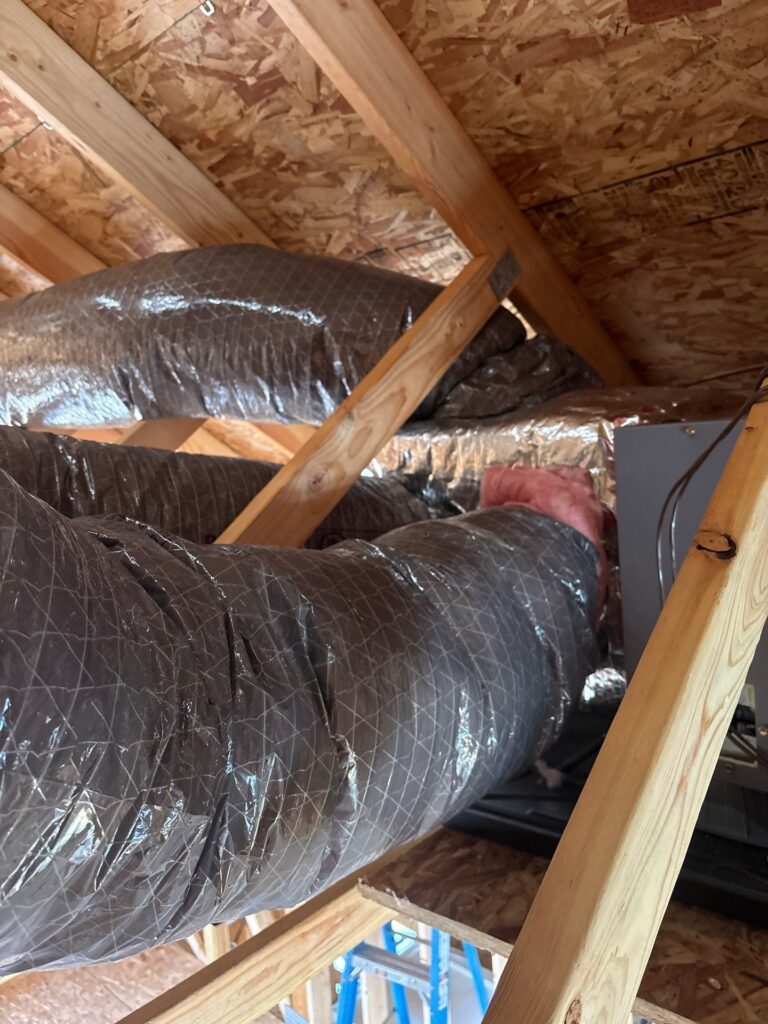
If your basement or crawlspace is unfinished, take a quick look at the exposed ductwork. Do you see any obvious gaps, disconnected sections, or sections that are sagging? Leaky ductwork is a major source of energy loss. Sealing these leaks can be one of the most effective ways to improve your comfort and lower your bills.
Schedule a Professional Baseline Inspection
Your general home inspection was a great overview, but it was not a detailed HVAC diagnostic. A home inspector’s job is to turn the system on and confirm it produces hot or cold air. They do not perform the technical tests needed to verify its health, safety, and efficiency. One of the smartest things a new homeowner can do is schedule a professional baseline inspection and tune up from a qualified HVAC company.
Electric or gas to heat your home? Click here to see the best option for you.
This is especially critical for gas furnaces. A technician will perform a combustion analysis and, most importantly, inspect the heat exchanger. The heat exchanger is the metal wall that separates the fire from your breathing air. Over time, it can develop cracks, which can leak deadly, odorless carbon monoxide into your home. This safety check is non negotiable.
During a full inspection, a technician from Minuteman Services will check the electrical connections, test capacitors and motors, clean the furnace burners, check the AC refrigerant levels, and measure the system’s overall performance. This service gives you a true, accurate snapshot of your system’s health. You will learn if any repairs are needed, how efficiently the system is running, and you can establish a proactive maintenance plan.
Congratulations on your new home in Idaho Falls. By purchasing a home, you have made a wonderful and significant investment. Your HVAC system is one of the most expensive and important components of that investment. It is the key to your family’s comfort through all of Idaho’s distinct seasons. Taking the time to understand your system, perform basic maintenance like changing the filter, and using your thermostat wisely will pay dividends in energy savings and a longer system life.
The most important step you can take as a new owner is to start off with a clean bill of health. Schedule a professional baseline inspection with Minuteman Services. Our family owned business has 45 years of combined experience in both HVAC and electrical systems. We are fully licensed (HVAC No 051683, Electric No ELE-C-36546) and dedicated to serving our community with integrity. We will ensure your system is safe, clean, and ready to keep your new house comfortable for years to come.