
Why Your Outdoor AC Unit Is Making a Buzzing Sound
A buzzing sound from your outdoor AC unit is one of the most common warning signs homeowners notice as temperatures climb across Idaho Falls. That low hum or sharp electrical buzz often points to something more serious happening inside the condenser. Ignoring it can lead to compressor failure, electrical damage, or a complete system shutdown right when you need cooling the most. Spring is the perfect time to investigate strange sounds before summer heat pushes your system to its limits. Knowing what causes the noise helps you decide when to call a professional. Minuteman Electric & HVAC has handled thousands of AC repairs across eastern Idaho, and buzzing sounds consistently rank among the top service calls. This guide walks you through the most likely causes and what to do next.
What Causes an Outdoor AC Unit to Make a Buzzing Sound
Several mechanical and electrical problems can trigger a buzzing sound in your outdoor AC unit. The condenser contains a compressor, fan motor, capacitors, contactors, and refrigerant lines, and any of these components can produce noise when something goes wrong. Loose hardware, failing electrical parts, and refrigerant issues are the most frequent culprits. Some buzzing is normal at startup, but a continuous or loud buzz is not. Catching the source early often means a simple repair instead of a full replacement. Homeowners in Idaho Falls should pay close attention during the first warm days of the season.
A Faulty Capacitor Causing Your AC Unit Buzzing Sound
The capacitor is one of the most common reasons an outdoor AC unit starts making a buzzing sound. This component stores electrical energy and gives the compressor and fan motor the jolt they need to start. When a capacitor weakens or fails, the motor struggles to engage, producing a steady buzz as electricity tries to flow through the damaged part. You may also notice the fan blades turning slowly or not at all. Capacitors degrade over time, and Idaho’s temperature swings between winter cold and summer heat accelerate that wear.
A failing capacitor rarely fixes itself. In most cases, the buzzing gets louder or more frequent until the unit stops cooling entirely. You might also see the outdoor unit humming without the fan spinning, which is a classic sign of capacitor trouble. Running the system in this condition puts extra strain on the compressor, which is the most expensive part to replace. Shutting the unit off at the thermostat and the breaker is the safest move until a technician arrives.
Capacitor replacement is a straightforward repair when handled by a licensed HVAC professional. The part itself is relatively inexpensive, and a qualified technician can swap it out in under an hour. Attempting this repair yourself is dangerous because capacitors hold a strong electrical charge even after the power is off. Need AC repair for a buzzing unit? Click here for our air conditioning repair service. Our team arrives with the right parts and testing equipment to get your system running quickly.
A Failing Contactor Triggering Your AC Unit Buzzing Sound
The contactor is an electrical switch that controls power flow to the compressor and condenser fan. When you set your thermostat to cool, the contactor closes and allows electricity into the system. Over time, contactor contacts pit, corrode, or stick, and this creates a distinct buzzing sound inside the outdoor unit. Insects, dirt, and moisture can also interfere with the contactor’s operation. Homeowners in Rigby, Ammon, and Rexburg often see contactor issues during the first warm weeks of spring.
A buzzing contactor may still allow the unit to run, but performance suffers. The compressor might short cycle, turning on and off rapidly, which wastes energy and shortens the lifespan of major components. In some cases, the contactor fails in the closed position, meaning the outdoor unit runs nonstop even when the thermostat calls for the system to shut off. This creates higher utility bills and noticeable wear on the entire HVAC system. A technician can test the contactor with a multimeter to confirm the diagnosis.
Replacing a contactor is a common service and typically part of routine AC repair. Catching this problem early prevents damage to the compressor, capacitor, and fan motor. Many homeowners bundle contactor replacement with an annual tune-up to avoid emergency calls during peak cooling season. Want to prevent surprise breakdowns? Click here for our air conditioning maintenance service. Regular inspections catch failing contactors and other worn electrical parts before they cause a full system shutdown.

Loose Parts and Debris Behind Your AC Unit Buzzing Sound
Not every buzzing sound comes from an electrical problem. Loose screws, bolts, fan blade fasteners, and panel covers can rattle and buzz as the unit vibrates during operation. Idaho Falls winters bring heavy snow, ice, and wind, all of which loosen hardware over the course of a season. Once the unit fires up in spring, those loose parts announce themselves with an unmistakable buzz or rattle. A quick visual inspection often reveals the problem.
Debris inside the condenser cabinet is another frequent cause. Leaves, twigs, and even small rodents can find their way into the unit over fall and winter. When the fan starts spinning, it strikes the debris and produces buzzing, humming, or grinding noises. Removing the obstruction usually solves the problem, but the fan blade should be inspected for damage afterward. Bent blades create imbalance that leads to motor wear.
Tightening hardware and clearing debris sounds simple, but opening the condenser cabinet exposes you to live electrical components and moving parts. A professional technician can complete a full inspection safely, checking for loose connections, worn fan bearings, and refrigerant line contact points. This kind of comprehensive review often reveals small issues before they become expensive repairs. Annual maintenance keeps your outdoor unit running quietly and efficiently through the Idaho summer.
How to Troubleshoot an AC Unit Making a Buzzing Sound
Before calling for service, there are a few safe steps homeowners can take to narrow down the source of an AC unit buzzing sound. Identifying when the noise happens, how loud it is, and what the unit is doing at the time gives your technician valuable information. Safety always comes first, so avoid opening the condenser cabinet or touching internal components. A careful walk around the unit and a few thermostat tests can reveal a lot. These steps help you describe the problem accurately when booking service.
Listening for When Your AC Unit Buzzing Sound Happens
Pay close attention to the timing of the buzzing sound. Does it happen only at startup, or does it continue the entire time the unit runs? A buzz that lasts just a few seconds when the system kicks on often points to a weak capacitor or aging contactor. A continuous buzz during operation suggests a failing motor, refrigerant issue, or loose hardware. Buzzing that occurs even when the system is off usually indicates an electrical short or stuck contactor.
Check whether the outdoor fan is spinning at a normal speed while the buzz is present. A unit that hums loudly but shows no fan movement is almost always dealing with a capacitor failure. If the fan spins slowly or wobbles, the motor bearings may be worn out. Blades that strike the cabinet or debris produce a sharper, more rhythmic buzz. Writing down these observations before calling helps the technician prepare the right parts.
Temperature readings also matter. If the air coming from your vents feels warmer than usual while the outdoor unit buzzes, the system may be low on refrigerant or struggling with restricted airflow. A properly running AC should deliver air that is fifteen to twenty degrees cooler than the return air temperature. Noting any drop in cooling performance alongside the buzzing gives your HVAC professional a clearer picture of what is happening inside the system.
Checking the Thermostat and Breaker During AC Unit Buzzing
Start your troubleshooting at the thermostat. Make sure the system is set to cool and the target temperature is several degrees below the current indoor reading. A thermostat set incorrectly can cause short cycling, which sometimes produces brief buzzing sounds as the contactor engages and disengages. Replace thermostat batteries if the display looks dim or unresponsive. A smart thermostat may also need a firmware update or a reset.
Next, check the electrical panel for a tripped breaker tied to your AC system. A breaker that keeps tripping points to an electrical short, overloaded circuit, or failing component inside the condenser. Never reset a breaker more than once; repeated trips indicate a real problem that needs professional attention. Homes across Shelley, Ucon, and Idaho Falls often have dedicated AC breakers labeled clearly inside the panel. Flip the breaker fully off before any outdoor inspection.
If the breaker holds but the buzzing continues, turn the system off at the thermostat and let the unit rest for fifteen minutes. Sometimes a frozen evaporator coil or overheated compressor needs time to reset. Turning the system back on after the pause can help confirm whether the buzz returns immediately or only under load. This information speeds up diagnosis when a technician arrives. Click here for our air conditioning repair service if the buzzing persists after these basic checks.
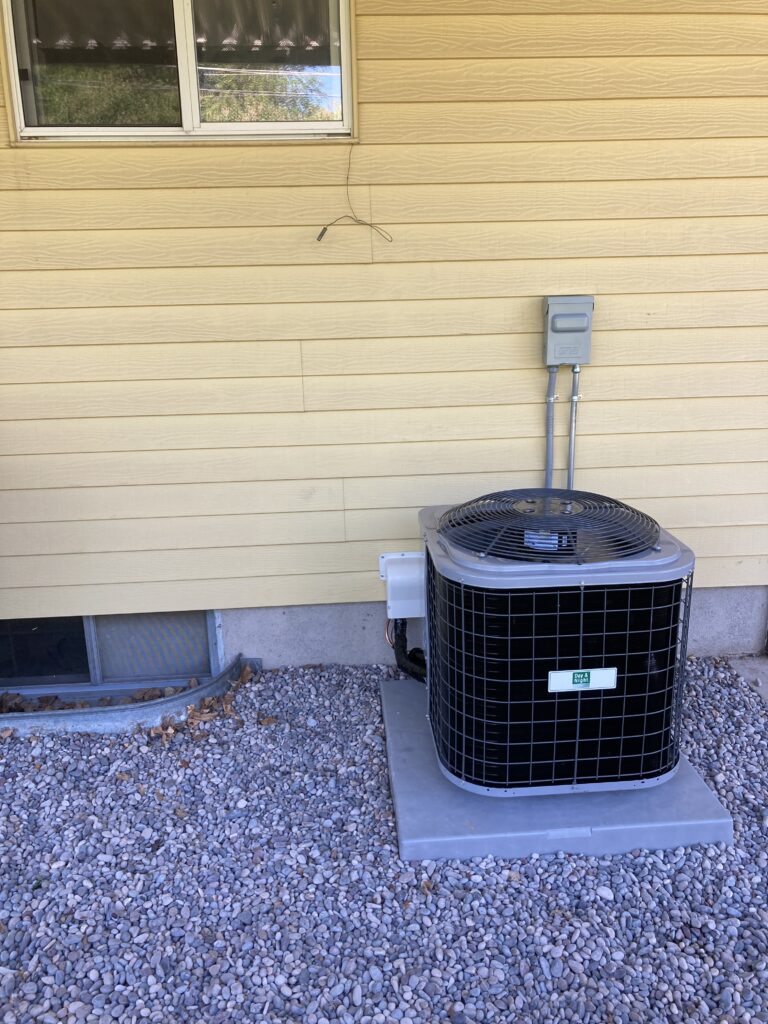
Inspecting the Outdoor Unit Safely During AC Buzzing
A visual inspection of your outdoor unit can reveal obvious issues without requiring you to open the cabinet. Walk around the condenser and look for bent fan blades, crushed coil fins, ice buildup, or debris lodged in the grille. Clear away any leaves, grass clippings, or cottonwood fluff from the exterior surface. Keep at least two feet of clearance on all sides to allow proper airflow. Overgrown shrubs are a common cause of reduced efficiency in Idaho Falls homes.
Look at the refrigerant lines running from the outdoor unit to the house. The larger insulated line should feel cool to the touch during operation, while the smaller copper line feels warm. Missing or damaged insulation reduces efficiency and can contribute to unusual sounds. Visible oil stains near the refrigerant fittings often indicate a leak, which is a repair that requires EPA-certified technicians. Minuteman Electric & HVAC holds the proper certifications to handle refrigerant work safely and legally.
Check the concrete or composite pad beneath the condenser. A unit sitting unevenly creates vibrations that amplify buzzing and rattling sounds. Frost heave from Idaho winters can shift pads over time. Never attempt to lift or level the unit yourself because the refrigerant lines can bend or snap under pressure. A technician can re-level the pad and secure the unit properly during a service visit. These small details keep your AC running quietly for years.
Why You Need Professional AC Repair for a Buzzing Unit
A buzzing outdoor AC unit rarely fixes itself, and waiting too long turns small repairs into major replacements. Professional diagnosis protects your investment and keeps your home comfortable through the hottest months of the year. Idaho Falls summers bring stretches of ninety-degree weather where a failed AC becomes more than an inconvenience. Licensed technicians have the tools, training, and parts to handle every cause of buzzing safely. Scheduling service at the first sign of trouble saves money and prevents emergency calls.
The Risks of Ignoring Your AC Unit Buzzing Sound
Ignoring a buzzing AC unit puts your entire cooling system at risk. A weak capacitor or failing contactor forces the compressor to work harder, and compressors are the most expensive component in any air conditioner. Once a compressor burns out, replacement often costs more than installing a new system. Electrical problems can also create fire hazards, especially when contactors arc or capacitors leak. These risks grow quickly during heavy summer use.
Running a struggling AC also drives up energy bills. A unit with electrical or mechanical problems draws more power to produce less cooling, and Idaho Power rates make that waste noticeable on monthly statements. Short cycling stresses the system and shortens its overall lifespan. Homeowners who catch buzzing sounds early often extend their AC’s service life by several years. Early intervention is always the cheaper path.
Safety is the biggest reason to act fast. Outdoor AC units carry high-voltage electricity, and damaged components can energize the cabinet or surrounding ground. Pets and children near a malfunctioning unit face real hazards. A professional technician can shut down, diagnose, and repair the system safely using the right protective equipment. Peace of mind is worth the cost of a prompt service call.
The Benefits of Prompt AC Repair for a Buzzing Unit
Prompt AC repair restores cooling performance and prevents collateral damage to other components. When a capacitor is replaced quickly, the compressor avoids the stress that leads to premature failure. When a contactor is swapped before it fails completely, the fan motor and wiring stay protected. Each repair done on time preserves the parts around it. This ripple effect keeps your overall repair costs low.
Scheduled repairs also restore efficiency. An AC that runs without buzzing, short cycling, or struggling to start uses far less electricity to cool your home. Homeowners often see a noticeable drop in summer utility bills after addressing outdoor unit issues. Cleaner operation also means better humidity control and more consistent temperatures throughout the house. Comfort improves alongside efficiency.
Regular maintenance complements prompt repair by catching problems early. An annual tune-up includes capacitor testing, contactor inspection, refrigerant level checks, and coil cleaning. Click here for our air conditioning maintenance service to schedule your spring visit before peak season. Maintenance customers experience fewer breakdowns and longer system lifespans than homeowners who only call when something fails.

Why Choose Minuteman Electric & HVAC for Your Buzzing AC Unit
Minuteman Electric & HVAC brings more than 45 years of combined HVAC experience to every call across Idaho Falls, Ammon, Rigby, Rexburg, and the surrounding communities. Owners Jarrod Mount and Ted Mount built the company on straightforward pricing, honest recommendations, and quality workmanship. Our technicians are NATE and EPA certified, which means they meet the highest standards for HVAC diagnosis and refrigerant handling. Every service call includes a free estimate and no surprise charges.
We understand how disruptive a failing AC can be during an Idaho summer. Our team arrives fully stocked with capacitors, contactors, fan motors, and other common parts so most repairs finish in a single visit. Financing options are available for larger repairs and replacements, which gives homeowners flexibility when unexpected issues come up. Reader’s Choice Award recognition reflects the trust our customers place in us year after year.
From a quick capacitor swap to a full AC replacement, Minuteman Electric & HVAC delivers reliable results backed by clear communication. Call (208) 520-7885 or email solutions@minutemanservicesid.com to schedule service for your buzzing AC unit. Our team covers Idaho Falls, Shelley, Ucon, Victor, Driggs, Swan Valley, Irwin, and beyond. Quality cooling starts with the right HVAC partner, and we are ready to help your home stay comfortable all summer long.