
The Truth About Closing Vents in Unused Rooms
Closing vents in unused rooms seems like a smart way to save money on cooling costs. Many homeowners in Idaho Falls believe redirecting air to occupied spaces will lower their utility bills during the hot months. The reality is far more complicated, and this common practice can actually damage your HVAC system. Modern central air systems are engineered to distribute air across every room in your home. When you block that airflow, you create pressure problems that cost more money in the long run. Understanding how your system works helps you make better decisions about energy efficiency this summer.
How Closing Vents Affects Your HVAC System Performance
Your home’s HVAC system was designed and sized based on the total square footage it needs to cool. The blower motor, ductwork, and return vents all work together as a balanced system. Closing supply vents disrupts this balance by increasing static pressure inside the ducts. This forces your blower motor to work harder while delivering less conditioned air throughout your home. Over time, the added strain causes mechanical wear and higher electricity consumption. Homeowners often see the opposite of what they expected on their utility bills.
Closing Vents Creates Dangerous Static Pressure
Static pressure is the resistance air encounters as it moves through your duct system. When vents are closed, the air has fewer places to go, so pressure builds up inside the ducts. This elevated pressure puts stress on every component connected to the airflow path. Your blower motor has to push against this resistance, which draws more amperage and generates extra heat. Manufacturers design residential systems to handle a specific pressure range, typically around 0.5 inches of water column. Exceeding that range shortens the lifespan of motors, bearings, and electrical components. A well-intentioned energy-saving tactic can lead to premature equipment failure.
The pressure buildup also affects the evaporator coil inside your air handler. Reduced airflow across the coil causes it to run colder than intended, which can lead to ice formation during cooling season. A frozen coil stops the system from producing cold air entirely, leaving you with a warm house and a service call. Ice buildup can also damage the coil itself, resulting in expensive repairs or full replacement. The refrigerant pressures shift outside normal operating ranges, stressing the compressor in the outdoor unit. Compressors are the most costly component in any air conditioning system.
Ductwork itself suffers when static pressure rises above design specifications. Seams and joints can separate, creating air leaks that waste conditioned air inside walls and attics. Flexible duct runs can collapse or constrict, further reducing airflow to the rooms you actually use. Over time, these leaks pull unconditioned air from crawlspaces and attics into your duct system. That dirty air gets distributed throughout your living spaces, affecting indoor air quality. Need air conditioning maintenance to check your system’s airflow? Click here for our air conditioning maintenance service.
Closing Vents Reduces Overall System Efficiency
Efficiency ratings like SEER are calculated assuming the system operates within its designed parameters. When you close vents, you push the system outside those parameters and actual efficiency drops significantly. The compressor cycles differently because temperature and pressure readings shift across the refrigerant circuit. Short cycling becomes more common, where the unit turns on and off rapidly without properly dehumidifying or cooling your home. Each startup draws a surge of electricity, contributing to higher monthly bills. You pay more for less comfort.
Your thermostat only measures temperature at one location, usually in a central hallway. Closed vents create uneven temperatures throughout the house that the thermostat cannot detect accurately. The system runs longer trying to satisfy the setpoint while other areas remain too warm or too cold. Extended runtimes translate directly into higher energy consumption and increased wear on components. What started as a savings strategy becomes a cost multiplier. The math rarely works out in the homeowner’s favor.
Modern variable-speed systems are particularly sensitive to airflow restrictions. These units adjust their output based on sensor feedback from the ductwork and indoor air handler. Closed vents confuse the control board, which may default to safety modes that limit performance. Some systems display error codes or shut down entirely when static pressure exceeds safe thresholds. Repairs on variable-speed equipment typically cost more than standard single-stage systems. Protecting your investment means keeping the airflow pathway clear and balanced.
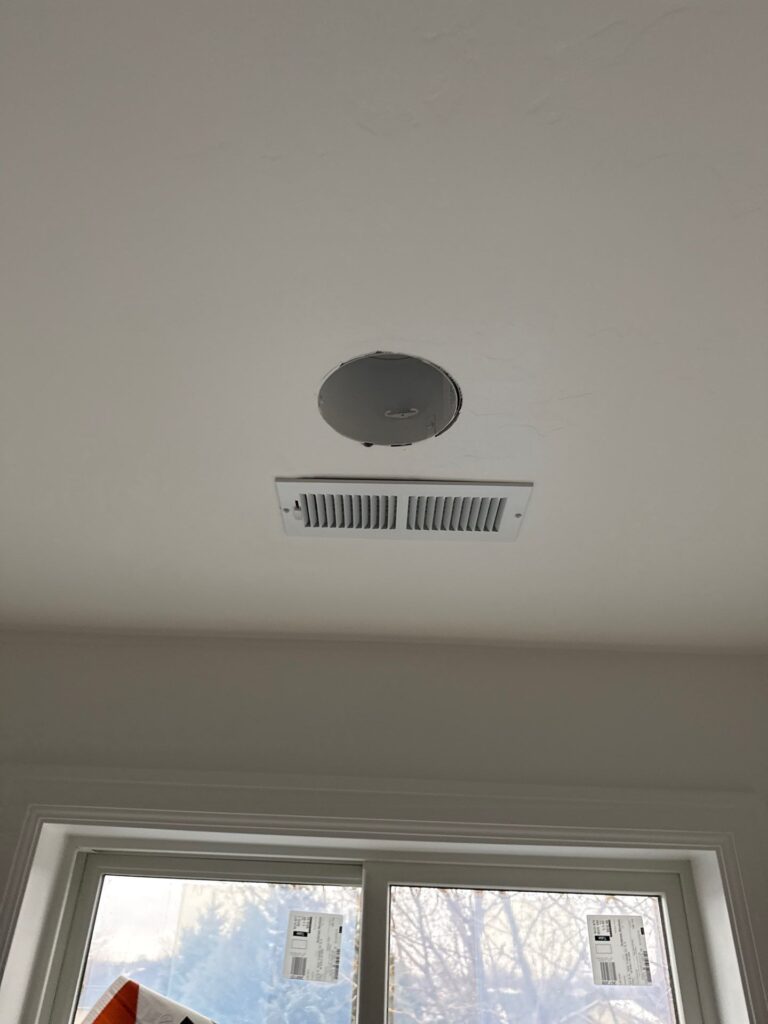
Closing Vents Causes Humidity and Moisture Problems
Idaho summers bring warm days that create real humidity challenges inside homes with restricted airflow. Your air conditioner removes moisture from the air as it cools, but only when it runs efficiently. Closed vents reduce dehumidification capacity, leaving unused rooms feeling damp and sticky. Moisture accumulates on cold surfaces like windows, registers, and exterior walls. This creates ideal conditions for mold and mildew growth inside closets and behind furniture. Musty odors often follow, signaling that conditions have already deteriorated.
Condensation can form inside the ductwork itself when warm moist air meets cold duct surfaces. Water droplets collect in low spots of flexible ducting and metal seams, eventually dripping into ceilings or insulation. Wet insulation loses its R-value and becomes a breeding ground for biological contaminants. Drywall stains and ceiling damage may appear months after the problem started. Repairs to water-damaged materials add up quickly and often involve multiple trades. Prevention costs far less than remediation.
Unused rooms with closed vents also experience temperature extremes during seasonal transitions. Without conditioned air circulating through the space, interior temperatures can swing dramatically day to night. Wood furniture, flooring, and trim react to moisture and temperature changes by expanding and contracting. Cracks in drywall, warped cabinets, and squeaky floorboards sometimes trace back to closed-vent rooms. Protecting your home’s structure means maintaining consistent conditions throughout the building envelope. A whole-house approach to comfort delivers better results than room-by-room restriction.
Better Ways to Save Money on Cooling Costs
Real energy savings come from addressing the efficiency of your entire system rather than restricting parts of it. Homeowners have many effective options that reduce cooling bills without damaging equipment. Proper maintenance, smart thermostats, and zoning systems all deliver measurable savings. The key is working with your HVAC system rather than against it. Small changes in habits and equipment settings can add up to significant annual savings. Targeted upgrades pay for themselves faster than most people expect.
Smart Thermostats Save Money Better Than Closing Vents
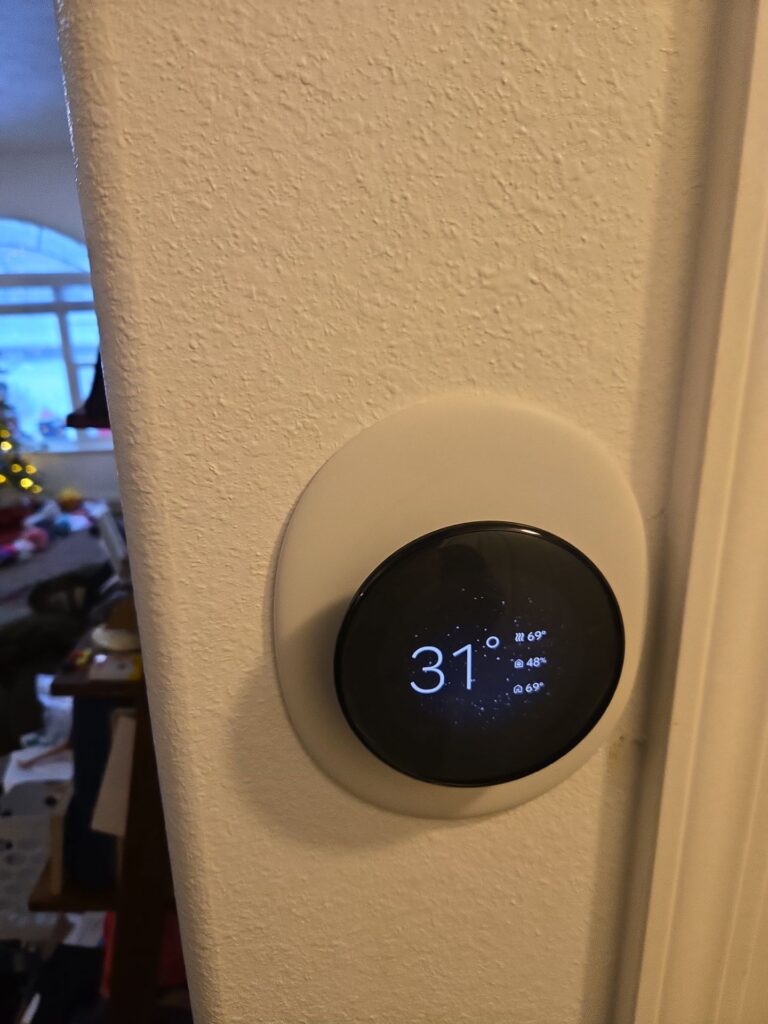
Programmable and smart thermostats adjust your home’s temperature automatically based on your schedule and preferences. Raising the setpoint a few degrees while you’re away at work can reduce cooling costs by 5 to 10 percent annually. Smart models learn your patterns and optimize runtime without any daily input from you. Many connect to your phone, allowing adjustments from anywhere with an internet connection. Energy usage reports show exactly where your money goes each month. This data helps you make informed decisions about comfort versus cost.
Installation of a smart thermostat is straightforward for most homes with existing central HVAC systems. The device replaces your current wall unit and connects to the same low-voltage wiring. Some models require a common wire, or C-wire, which may need to be added in older homes. Professional installation ensures the thermostat communicates correctly with your specific HVAC equipment. Mismatched settings can cause short cycling or prevent certain features from working properly. Want a professional thermostat installation? Click here for our thermostat installation service.
Geofencing features use your smartphone’s location to adjust temperatures as you come and go. The system starts cooling before you arrive home and raises the temperature when everyone leaves. This hands-off approach captures savings that manual programming often misses. Integration with other smart home devices adds another layer of automation and convenience. Voice control through popular assistants makes adjustments even easier. Modern thermostats turn your HVAC system into an intelligent partner rather than a passive appliance.
Zoning Systems Save Money Better Than Closing Vents
Zoning systems divide your home into separate temperature-controlled areas using motorized dampers inside the ductwork. Each zone has its own thermostat, allowing independent control of bedrooms, living areas, and basements. Unlike closing vents manually, zoning systems are engineered to work with your HVAC equipment safely. The dampers open and close based on demand without creating harmful static pressure. Bypass dampers redirect excess airflow when zones close, protecting the blower and coils. This is the proper way to condition only the rooms you’re using.
Installation typically happens in the main duct trunks and major branches serving different parts of the house. An experienced technician evaluates your existing ductwork to determine the best damper locations. Electrical connections power the dampers and link them to a central zone control panel. The panel communicates with individual thermostats and coordinates blower operation accordingly. Existing HVAC equipment usually works with zoning systems, though some older units benefit from a variable-speed blower upgrade. A professional assessment identifies what your home needs.
Zoning works especially well in multi-story homes where upstairs bedrooms tend to run warmer than main floors. Homes with bonus rooms, finished basements, or additions often have uneven temperatures that zoning can correct. Families with different comfort preferences benefit from personalized settings in different zones. The energy savings typically range from 20 to 30 percent compared to single-thermostat homes. Comfort improves dramatically alongside the financial benefits. Investment in zoning returns value through both utility savings and daily quality of life.
Regular Maintenance Saves Money Better Than Closing Vents
Scheduled HVAC maintenance keeps your system running at peak efficiency year after year. A technician cleans the evaporator and condenser coils, checks refrigerant levels, and tests electrical connections. Dirty coils can reduce efficiency by 20 percent or more, costing hundreds of dollars annually in wasted energy. Clean coils transfer heat properly, allowing the system to reach setpoint faster and cycle off sooner. Capacitors, contactors, and motors receive inspection to catch small problems before they become big repairs. Peace of mind comes with knowing your system is ready for hot weather.
Airflow measurements during maintenance identify restrictions that might be hiding in your ductwork. Technicians use manometers and anemometers to verify that each room receives the proper volume of air. Blocked returns, crushed flex duct, or undersized ducts often explain comfort problems that closed vents cannot solve. Balancing dampers within the duct system provide permanent airflow adjustments without creating pressure issues. Professional balancing achieves what DIY vent closures cannot. Your home stays comfortable and your equipment stays protected.
Filter changes, drain line cleaning, and blower wheel inspection all happen during a maintenance visit. A clogged condensate drain can cause water damage and system shutdowns during peak cooling demand. Dirty blower wheels reduce airflow and increase energy consumption even when vents are fully open. Annual tune-ups typically cost a fraction of what a single repair would run. Most manufacturers require regular maintenance to keep the equipment warranty valid. Skipping service often voids coverage when you need it most.
Why You Need Professional HVAC Advice From Minuteman Electric & HVAC
Making decisions about your HVAC system without professional guidance can lead to costly mistakes. Closing vents is just one example of a well-intentioned tactic that backfires over time. Working with certified technicians helps you identify real energy savings opportunities that fit your home and budget. Proper diagnosis beats guesswork every time. Our team understands how every component of your system interacts with the others. Honest advice protects both your comfort and your wallet.
A Professional HVAC Assessment Pays for Itself
Our technicians perform comprehensive system evaluations that go far beyond a quick visual inspection. We measure static pressure, airflow at each register, and temperature drop across the evaporator coil. These measurements reveal the true health of your system and pinpoint exact problems. Recommendations come with clear explanations of costs, benefits, and expected results. You get the information you need to make confident decisions. No pressure, no gimmicks, just facts.
Identifying the root cause of uneven temperatures often reveals solutions that save far more money than closing vents ever could. Duct leaks, insufficient return air, or improperly sized equipment can all create comfort problems. Addressing these underlying issues delivers lasting comfort and efficiency gains. Homeowners frequently discover that the fix is simpler and less expensive than they expected. Quality diagnostics prevent wasted spending on repairs that don’t solve the real problem. Experience guides every recommendation we make.
Energy audits and load calculations help right-size any future equipment upgrades. Oversized air conditioners short cycle and fail to dehumidify properly, while undersized units run constantly without reaching setpoint. Manual J calculations determine the exact cooling capacity your home needs based on square footage, insulation, windows, and orientation. Accurate sizing ensures maximum efficiency and comfort for decades. This engineering approach produces better results than rules of thumb. Your investment deserves this level of care.

A Professional HVAC Plan Fits Your Budget
We offer financing options that make upgrades affordable without straining your budget. Whether you need a new thermostat, duct sealing, or a complete system replacement, we can structure payments that work for your family. Straightforward pricing means no hidden fees or surprise charges at the end of a job. You’ll know the total cost before any work begins. Transparency builds the trust that long-term customer relationships require. We treat your home like we would our own.
Free estimates on new equipment and major repairs give you the information you need to plan ahead. Our technicians explain every option in plain language, so you understand what you’re paying for and why. Comparisons between repair and replacement help you choose the path that makes financial sense. Sometimes a repair extends the life of existing equipment; other times replacement delivers better long-term value. Honest guidance leads to the right choice for your situation. No one knows your home better than you, and our job is to support your decisions with solid information.
Seasonal specials and maintenance agreements can reduce overall costs across the year. Members typically receive priority scheduling, discounted service rates, and reminder calls for tune-ups. These programs pay for themselves through extended equipment life and lower repair bills. Customers who maintain their systems consistently spend less on emergency calls during heat waves. Planning ahead beats reacting to breakdowns. Predictable costs help you budget with confidence.
Why Choose Our Business for Your HVAC Needs
Minuteman Electric & HVAC brings over 45 years of combined HVAC experience to every job in the Idaho Falls area. Owners Jarrod and Ted Mount built the company on principles of honesty, quality workmanship, and respect for every customer. Our NATE and EPA-certified technicians receive ongoing training to stay current with evolving technology. We service all major brands of equipment, from older units to the latest high-efficiency models. Reader’s Choice Award recognition reflects our commitment to excellence. Neighbors trust us because we earn that trust on every visit.
We serve homeowners throughout Idaho Falls, Ammon, Rigby, Rexburg, Shelley, Ucon, Victor, Driggs, Irwin, and Swan Valley. Local roots mean we understand the unique challenges of Idaho weather and construction styles. Response times stay quick because our trucks are nearby and stocked for common repairs. Emergency service is available when temperatures climb and your system fails at the worst possible moment. Community connections run deep, and we stand behind our work long after the job is complete. Relationships matter more than transactions.
Straightforward pricing, free estimates, and financing options remove the stress from HVAC decisions. Our technicians arrive on time, explain their findings clearly, and complete work to the highest standards. Callbacks are rare because we do the job right the first time. Warranty support continues for years after installation, giving you peace of mind with every upgrade. Contact us at (208) 520-7885 or solutions@minutemanservicesid.com to schedule service. Your comfort is our business, and we take that responsibility seriously.