
How to Know If Your Ductwork Is Leaking Cool Air
Summer heat in Idaho Falls puts your air conditioning system through a serious workout, and leaking ductwork makes that workload much heavier. Your ducts act as the delivery system for every bit of cool air your AC produces, so any gaps, cracks, or loose connections send that conditioned air straight into unconditioned spaces. Homeowners often notice higher energy bills, uneven cooling, and rooms that never quite reach the thermostat setting. Catching duct leaks early saves money, extends the life of your cooling equipment, and keeps your home comfortable during those hot Idaho summers. This guide walks you through the warning signs, the testing methods, and the repairs that restore your system to full efficiency. Knowing what to look for helps you act before small leaks turn into big problems.
Common Signs Your Ductwork Is Leaking Cool Air
Ductwork leaks rarely announce themselves with an obvious hiss or visible hole, but your home gives plenty of quieter clues. Energy bills that climb without a matching change in usage habits often point to duct losses. Rooms that feel warmer than others, dust buildup near registers, and an AC unit that runs longer cycles all suggest air is escaping before it reaches you. Paying attention to these signals early can save you hundreds of dollars in wasted cooling. The signs fall into three main categories: comfort issues, performance issues, and indoor air quality changes. Each category tells you something different about where and how your ducts may be failing.
Comfort Signs Your Ductwork Is Leaking Cool Air
One of the first things homeowners notice with leaking ductwork is uneven temperatures throughout the house. The bedroom upstairs might feel stuffy while the living room stays comfortable, even though both rooms share the same thermostat setting. This imbalance often means cool air is escaping through ducts that pass through attics, crawl spaces, or wall cavities before reaching certain rooms. The farther the duct run, the more noticeable the temperature difference becomes. You might also feel weak airflow at vents that used to blow strong streams of cool air.
Hot and cold spots in the same room can also indicate duct problems rather than thermostat issues. When supply ducts leak, the air pressure inside the duct drops, which reduces the volume of air pushed into the room. Return ducts that leak pull in warm, unconditioned air from attics or crawl spaces, forcing your AC to cool that extra load. Your system ends up working harder without delivering better results. Rooms farthest from the air handler tend to suffer most because leaks along the duct path reduce what arrives at the end.
Another comfort sign is humidity you can actually feel. Leaking ducts in humid crawl spaces pull moist air into your cooling system, which makes the indoor environment feel sticky even when the thermostat reads a comfortable temperature. Your AC is designed to remove moisture as part of the cooling process, but it cannot keep up if fresh humid air keeps leaking in. You may notice windows fogging, musty odors, or a general clammy feel inside the house. These humidity problems often worsen during the hottest, most humid stretches of summer.
Performance Signs Your Ductwork Is Leaking Cool Air
Rising energy bills stand out as the clearest performance sign of duct leaks. Industry research suggests that typical homes lose 20 to 30 percent of the air moving through the duct system to leaks, holes, and poor connections. That lost air still costs you money because your AC already worked to cool it. You end up paying to condition your attic, crawl space, or wall cavities instead of your living areas. A sudden jump in summer electricity costs without a heat wave usually means your ductwork needs attention.
Longer cooling cycles are another major performance clue. Your air conditioner should cycle on, cool the home to the set temperature, and shut off until the temperature rises again. When ducts leak, the system struggles to reach the set point, so it runs longer and longer trying to compensate. Constant running wears out compressors, blower motors, and other components faster than normal. You may hear the unit running almost nonstop on hot days, even when outdoor temperatures are not extreme. This pattern shortens equipment life and leads to earlier, more expensive repairs.
Weak airflow at the registers rounds out the performance warning signs. Hold your hand in front of a supply vent while the AC runs; you should feel a steady, strong push of cool air. If the airflow feels gentle, inconsistent, or barely noticeable, leaks are probably siphoning off air before it reaches the register. Some homeowners try to compensate by lowering the thermostat, which only makes the system work harder without fixing the underlying problem. Need professional AC help? Click here for our air conditioning repair service.
Air Quality Signs Your Ductwork Is Leaking Cool Air
Leaking ductwork affects more than temperature; it also changes the air you breathe. Supply leaks allow cool air to escape, but return leaks pull outside air into the system, bringing dust, pollen, insulation fibers, and other contaminants with it. That pulled-in air often comes from attics, garages, or crawl spaces, which are some of the dirtiest areas in a home. Your filter is designed to catch particles from return air inside the home, not raw attic debris. The result is more dust on surfaces, more allergens in the air, and more stress on your HVAC equipment.
Musty or stale odors inside the home often trace back to duct leaks in damp or unventilated areas. Crawl spaces can harbor mold, mildew, and pest waste, all of which get pulled into leaking return ducts and distributed throughout the house. You might notice the smell strongest when the AC first turns on, since that is when the system draws in a burst of contaminated air. Family members with allergies or asthma often react first, with more frequent sneezing, coughing, or congestion. Cleaner ductwork and sealed connections help protect indoor air quality.
Excess dust on furniture, floors, and vents despite regular cleaning is another common air quality signal. The dust often carries a gray or fuzzy texture because it includes fiberglass insulation or attic debris rather than normal household particles. You may also notice visible dust streaks around supply register edges, which happens when leaking connections pull particles through small gaps. Over time, this buildup coats the inside of ducts, the blower wheel, and the evaporator coil, reducing efficiency even further. Addressing duct leaks improves both comfort and cleanliness inside the home.
How to Test Your Ductwork for Cool Air Leaks
Finding duct leaks takes a mix of simple visual checks and, in some cases, professional equipment. You can catch many obvious issues yourself with a flashlight and a little time, but hidden leaks inside walls or buried in insulation usually require trained technicians. Understanding the different testing methods helps you decide what you can handle and when to call for backup. Duct testing also establishes a baseline, so you know how much improvement sealing work delivers. The three main approaches are visual inspection, basic airflow checks, and professional pressure testing. Each method catches different types of leaks at different severity levels.
Visual Inspection to Test Ductwork for Cool Air Leaks
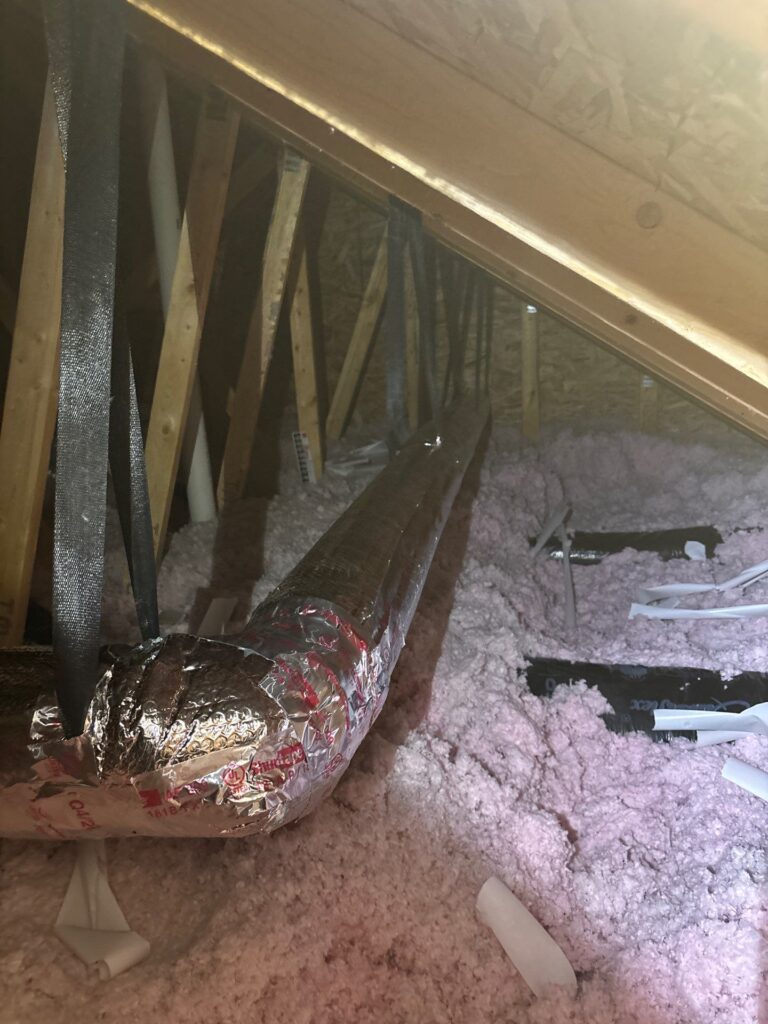
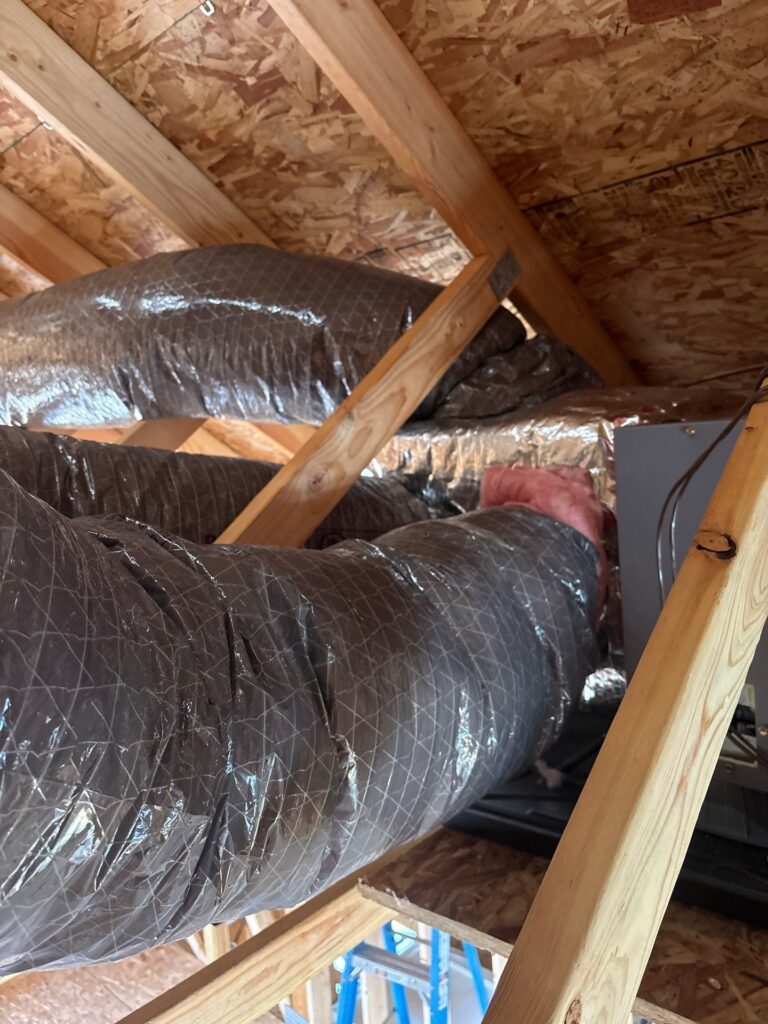
Start with a flashlight and work your way through accessible duct runs in the basement, crawl space, attic, and utility rooms. Look for obvious signs of trouble, such as disconnected sections where joints have pulled apart, kinked flexible duct that restricts airflow, or crushed sections that block proper flow. Tape that has curled, dried, or fallen off seams is a major red flag because old cloth duct tape fails within a few years. Mastic sealant that has cracked or flaked away also leaves gaps that leak conditioned air. Pay special attention to elbows, takeoffs, and connections to the main plenum, since these spots move the most and often loosen over time.
Check for visible dust streaks at seams and joints, which often mark places where air has been leaking for a while. The moving air carries small particles that build up along the leak path, leaving a dark smudge that points right to the problem. You might also find loose screws, separated boot connections at registers, or gaps between ducts and the floor or wall penetrations. Any spot where you can see light through a joint or feel air escaping is a confirmed leak. Mark each problem spot with painter’s tape so you can show a technician exactly what needs attention.
Inspect the insulation wrapped around ducts in attics and crawl spaces for signs of moisture or compression. Wet spots on duct insulation often mean a leak is allowing warm, humid air to contact cold duct surfaces, causing condensation. Compressed or missing insulation reduces efficiency even when the duct itself is sealed. While you are up there, check for any ducts that pass through unconditioned spaces without proper sealing around wall or floor penetrations. These gaps often leak air directly into the home’s framing cavities rather than into the conditioned living space.
Airflow Testing to Find Ductwork Cool Air Leaks
A simple airflow test uses a piece of tissue paper or a thin strip of plastic to check each register while the AC runs. Hold the tissue a few inches in front of the vent; it should pull toward the register on return vents and blow away from supply vents with steady force. Weak, fluttering, or inconsistent movement suggests poor airflow that often traces back to duct leaks. Compare rooms closest to the air handler with rooms farthest away to spot patterns. Supply vents that barely move the tissue likely have leaks somewhere between the blower and that register.
You can also perform a smoke test at accessible duct seams using an incense stick or smoke pencil. Turn the AC on high, then slowly pass the smoke source along joints, elbows, and connections while watching the smoke stream. Smoke that bends sharply toward a seam indicates a negative pressure leak pulling air into the duct, while smoke pushed away reveals a positive pressure leak blowing air out. Both types of leaks cost you efficiency and comfort. This test works best in calm, still basement or crawl space conditions with no fans or breezes to disturb the smoke.
Temperature readings at each register give you another useful data point. Use a standard thermometer or infrared thermometer to measure the air coming out of every supply vent with the AC running at full cooling. Healthy systems typically produce supply air about 15 to 20 degrees cooler than the return air temperature. Registers with much warmer readings than others likely have leaks along their duct path pulling in unconditioned air. Need a full system check? Click here for our air conditioning maintenance service.
Professional Testing to Find Ductwork Cool Air Leaks
Professional duct testing uses specialized equipment that measures actual leakage rates with precision. The most common method is a duct blaster test, which seals all registers and pressurizes the duct system with a calibrated fan. The fan measures exactly how much air is needed to maintain a set pressure, which translates directly into leakage volume. Technicians compare your results to industry standards to determine how severe the problem is. This test gives you hard numbers rather than guesses, which helps prioritize repairs.
Blower door testing combines with duct testing to identify leaks between ducts and the outside of the home. Some leaks go into conditioned spaces and recover partially, while others dump air directly outside and lose it completely. The blower door test depressurizes the whole house, and technicians then use smoke or sensors to track where duct leaks connect to outside air. This distinction matters because leaks to outside cost far more than leaks to conditioned interior spaces. Professional testing separates the two categories so you can focus repairs where they matter most.
Thermal imaging cameras add another layer of precision to duct testing by revealing temperature differences along duct runs and at connection points. Cool spots on exterior surfaces near ducts often indicate air escaping and cooling the surrounding material. Technicians can also spot missing or compressed insulation that reduces efficiency even on sealed ducts. Combined with pressure testing, thermal imaging creates a complete picture of your duct system’s condition. Professional diagnostics give you a clear repair plan with measurable results after the work is done.
Why You Need Professional Ductwork Leak Repair in Idaho Falls
Fixing duct leaks properly requires more than a roll of tape and a weekend afternoon. Professional duct sealing combines the right materials, proper techniques, and verified results that hold up for years. DIY attempts often miss hidden leaks, use materials that fail quickly, or create new problems by blocking necessary airflow. Minuteman Electric & HVAC brings the training, tools, and certifications needed to diagnose and repair duct systems correctly the first time. Our team understands the unique challenges of homes across Eastern Idaho, from older Idaho Falls neighborhoods to newer construction in Rigby, Ammon, and Rexburg.
Expert Ductwork Repair for Cool Air Leaks
Professional duct repair starts with accurate diagnosis, not guesswork. Our technicians use pressure testing, thermal imaging, and visual inspection to locate every significant leak in your system. That complete picture lets us prioritize the biggest losses first, giving you the fastest return on your repair investment. We also identify related problems, such as poor insulation, crushed ducts, or undersized runs that reduce efficiency beyond simple leakage. Fixing the whole system at once prevents callbacks and delivers better long-term comfort.
Proper sealing materials make a lasting difference in repair quality. We use mastic sealant and UL-181 approved foil-backed tape rather than standard cloth duct tape, which dries out and fails within a few years. Mastic applied correctly creates an airtight seal that stays flexible and holds for decades, even through temperature swings and duct movement. For larger gaps or damaged sections, we install new sheet metal or flexible duct pieces that match the original system specifications. The result is a duct network that performs as well as the day it was installed.
Our repair process also includes verification testing after the work is complete. We rerun pressure tests to confirm leakage has dropped to acceptable levels, giving you proof that your investment delivered real results. That verification step separates professional work from patch jobs that may or may not have solved the problem. Customers receive a clear report showing before and after numbers, along with recommendations for maintaining the improvement. This accountability is part of why homeowners across the area trust Minuteman Electric & HVAC for duct repair.
Long-Term Benefits of Ductwork Cool Air Leak Repair
Sealed ductwork pays back the repair investment through lower energy bills month after month. Homes with significant duct leaks often see cooling costs drop 15 to 30 percent after professional sealing, which adds up quickly during hot Idaho summers. That savings continues year after year with no additional effort from you. The same sealed ducts also improve heating performance in winter, so the benefit extends across every season. Many homeowners recover their repair costs within two or three years through energy savings alone.
Equipment longevity is another major benefit of proper duct sealing. Your AC compressor, blower motor, and other components wear out faster when the system runs longer cycles to compensate for leaks. Sealing ducts reduces run time, which extends equipment life by years and delays the need for expensive replacements. Reduced strain also means fewer breakdowns, fewer service calls, and more reliable cooling when you need it most. Protecting your HVAC investment is one of the smartest reasons to address duct leaks promptly.
Indoor air quality improvements round out the long-term benefits of duct repair. Sealed return ducts stop pulling in dust, allergens, and contaminants from attics and crawl spaces, which means cleaner air circulating through your home. Family members with allergies or asthma often notice real improvement within days of completed repairs. Cleaner ducts also mean less dust on surfaces, less strain on your filter, and less buildup inside HVAC equipment. Ready to get started? Click here for our air conditioning repair service.
Why Choose Minuteman Electric & HVAC for Ductwork Cool Air Leak Repair
Minuteman Electric & HVAC brings more than 45 years of combined HVAC experience to every duct repair project in the Idaho Falls area. Owners Jarrod Mount and Ted Mount lead a team of NATE and EPA certified technicians who know how to diagnose and fix duct problems in homes of every age and style. Our Reader’s Choice Award reflects the trust local homeowners place in us for honest work and fair pricing. We treat every home like our own, respecting your property and your time throughout the repair process. Quality workmanship is our standard, not an upsell.
Straightforward pricing is a cornerstone of how we do business at Minuteman Electric & HVAC. You receive a free estimate up front, with clear explanations of what needs to be done and what it will cost. There are no hidden fees, no surprise charges, and no pressure tactics during the conversation. Financing options are available for larger projects, making major duct upgrades affordable for any household budget. We want you to feel confident about your investment before any work begins.
Service across Eastern Idaho means we are nearby when you need us, from Idaho Falls and Ammon to Rexburg, Rigby, Shelley, and the Teton Valley. Our technicians arrive on time, work efficiently, and leave your home cleaner than they found it. We stand behind every repair with clear warranties and a commitment to getting it right. Call Minuteman Electric & HVAC at (208) 520-7885 or email solutions@minutemanservicesid.com to schedule your duct inspection today. Your comfort, your wallet, and your family’s air quality all benefit from properly sealed ductwork.