
What Happens During a Professional AC Tune Up
Spring in Idaho Falls signals the perfect time to prepare your cooling system for the hot months ahead. A professional AC tune up protects your investment, lowers energy bills, and prevents breakdowns during peak summer demand. Many homeowners wonder what technicians actually do during these visits, and understanding the process helps you appreciate the value. At Minuteman Electric & HVAC, our NATE-certified technicians follow a detailed checklist on every tune up. This guide walks through each step of a professional AC tune up so you know exactly what to expect. Scheduling before summer ensures your system runs at peak efficiency when temperatures climb.
The Outdoor Unit Inspection During an AC Tune Up
The outdoor condenser unit handles the heavy lifting of transferring heat from your home to the outside air. After a long winter, this component collects debris, dirt, and grime that reduces performance. A thorough AC tune up always begins outside with careful inspection and cleaning. Technicians look for signs of wear, damage, and efficiency loss. This portion of the visit sets the stage for the rest of the service. Proper outdoor maintenance extends the lifespan of your entire cooling system.
Condenser Coil Cleaning in a Professional AC Tune Up
The condenser coils release heat from the refrigerant into the outside air. Over time, these coils collect cottonwood fluff, grass clippings, pollen, and dust that create an insulating barrier. Technicians remove the top grille and carefully rinse the coils with a specialized cleaning solution. This process dissolves stubborn grime without damaging the delicate fins. Clean coils transfer heat more efficiently, which reduces runtime and energy consumption. A dirty coil can increase energy use by up to 30 percent. Regular cleaning during an AC tune up pays for itself through lower utility bills.
Technicians also straighten any bent fins using a specialized tool called a fin comb. Bent fins restrict airflow across the coil surface and reduce heat transfer. Hail, lawn equipment, and general wear cause fin damage throughout the year. Straightening these fins restores proper airflow patterns across the coil. The technician inspects the coil for corrosion, leaks, and physical damage. Any refrigerant leaks get documented and addressed before they cause bigger problems. This step prevents expensive compressor damage down the road.
After cleaning, the technician clears the area around the condenser of leaves, weeds, and debris. Manufacturers recommend at least two feet of clearance on all sides of the unit. Restricted airflow forces the system to work harder and run longer cycles. The technician may trim back shrubs or suggest removing nearby landscaping that blocks airflow. This simple step dramatically improves cooling performance. Need a full AC tune up for your home? Click here for our air conditioning maintenance service.
Electrical Component Testing in a Professional AC Tune Up
The outdoor unit contains several electrical components that technicians test during an AC tune up. The contactor is a switch that sends power to the compressor and fan motor when the thermostat calls for cooling. Technicians inspect the contactor points for pitting, burning, or corrosion. Worn contactors cause intermittent operation and eventual compressor failure. Replacing a worn contactor during a tune up costs far less than emergency repairs later. This small part protects expensive components throughout the system.
Capacitors store and release electrical energy to start the compressor and fan motor. These components weaken over time, especially after hot Idaho summers. Technicians measure capacitor performance with a multimeter to check microfarad ratings against manufacturer specifications. A weak capacitor strains the motor and shortens its lifespan. Capacitor failure is one of the most common causes of AC breakdowns in our area. Catching a weak capacitor early prevents a hot summer day without cooling.
Technicians also inspect all wiring connections inside the outdoor unit. Loose connections generate heat, arc, and eventually fail completely. Tightening these connections prevents electrical fires and component damage. The technician checks voltage and amperage draw on the compressor and fan motor. These readings reveal hidden problems before they cause a breakdown. Abnormal readings often indicate motor bearing wear or refrigerant issues. Addressing these warning signs during an AC tune up saves money and frustration.
Refrigerant Level Checks in a Professional AC Tune Up
Refrigerant circulates between the indoor and outdoor units to transfer heat out of your home. Proper refrigerant charge is critical for efficient cooling and system longevity. Technicians connect gauges to the service ports and measure the pressures on both sides of the system. These readings reveal whether the charge is correct, low, or overcharged. Low refrigerant often indicates a leak somewhere in the system. An overcharge stresses the compressor and reduces efficiency.
If the pressures indicate a problem, the technician searches for leaks using electronic detectors or UV dye. Common leak points include the coil, service valves, and refrigerant line connections. Small leaks allow refrigerant to escape slowly over months or years. Simply adding refrigerant without fixing the leak wastes money and harms the environment. Technicians repair leaks before recharging the system to proper levels. This approach solves the root cause rather than masking symptoms.
The technician also measures superheat and subcooling values to verify proper system operation. These measurements confirm the refrigerant is doing its job inside both coils. Abnormal readings point to airflow problems, metering device issues, or incorrect charge levels. Accurate readings require proper outdoor temperatures, which is why spring is ideal for an AC tune up. Our technicians document all readings for your records and future reference. This detailed approach catches small issues before they become major repairs.
The Indoor Unit Inspection During an AC Tune Up
The indoor portion of your cooling system works just as hard as the outdoor unit. The evaporator coil, blower motor, and air handler all need attention during a tune up. Indoor components often get overlooked by homeowners because they sit hidden in closets or basements. A professional AC tune up includes thorough inspection and cleaning of these components. Clean indoor equipment improves air quality and cooling performance. This portion of the service protects both your comfort and your health.
Evaporator Coil Cleaning in a Professional AC Tune Up
The evaporator coil absorbs heat and humidity from the air inside your home. Dust, pet dander, and airborne particles collect on the coil fins over time. A dirty evaporator coil reduces cooling capacity and can lead to ice formation. Technicians access the coil through the air handler or furnace cabinet. They use approved coil cleaners that dissolve buildup without damaging the aluminum fins. Regular cleaning during an AC tune up maintains peak efficiency throughout the summer.
Ice formation on the evaporator coil is a common problem in Idaho homes. Restricted airflow or low refrigerant causes the coil temperature to drop below freezing. The resulting ice blocks airflow and can damage the compressor if left unchecked. Technicians inspect for signs of past icing, such as water damage or rust. They identify and address the root cause rather than just melting the ice. This proactive approach prevents repeat problems throughout the cooling season.
The drain pan and condensate line also receive attention during coil cleaning. As the coil removes humidity from the air, water drips into the pan and drains outside. Algae and sludge can clog the drain line, causing water to back up and damage your home. Technicians flush the drain line with approved solutions to remove buildup. They also test the float switch that shuts down the system when water backs up. This small component prevents thousands of dollars in water damage to ceilings and floors.

Blower Motor Service in a Professional AC Tune Up
The blower motor pushes conditioned air through your ductwork to every room. This component runs every time your AC operates, accumulating significant wear throughout the cooling season. Technicians inspect the motor for signs of bearing wear, overheating, and electrical problems. They measure amperage draw and compare it to the manufacturer specifications. Abnormal readings indicate impending failure and the need for replacement. Catching blower issues early prevents uneven cooling and system shutdowns.
The blower wheel itself often collects a thick layer of dust and grime. A dirty blower wheel cannot move air efficiently, forcing the system to run longer cycles. Technicians remove the wheel when necessary and clean each blade thoroughly. This restores proper airflow and reduces strain on the motor. Clean blower wheels also reduce noise and vibration during operation. Most homeowners notice quieter operation after a thorough blower cleaning.
Belt-driven blowers require additional attention during an AC tune up. Technicians inspect the belt for cracks, glazing, and proper tension. Worn belts slip under load and eventually break, stopping airflow completely. They also lubricate motor bearings on older units that require periodic oiling. Newer sealed bearing motors do not require lubrication but still need inspection. Our technicians know the specific requirements for every major brand and model. Ready to schedule your tune up before summer hits? Click here for our air conditioning repair service if you already notice performance issues.
Air Filter and Ductwork Checks in a Professional AC Tune Up
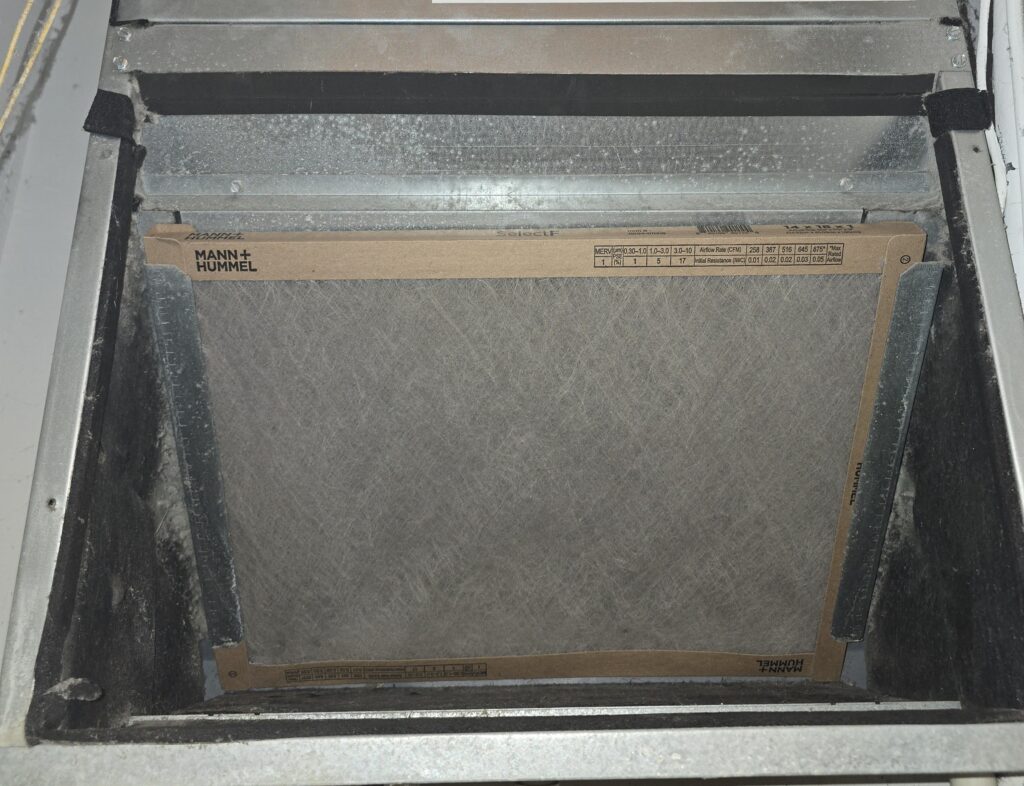
The air filter protects your entire cooling system from dust and debris. A clogged filter restricts airflow and forces the blower to work harder. Technicians check the filter condition and replace it if needed. They also verify the filter is the correct size and type for your system. Oversized filters bypass air around the edges, while undersized filters tear and let debris through. Proper filtration extends equipment life and improves indoor air quality.
Ductwork inspection is another important part of a professional AC tune up. Technicians look for disconnected joints, damaged sections, and obvious air leaks. Leaky ducts can waste up to 30 percent of your cooled air before it reaches the living spaces. They also check for proper insulation on ducts running through unconditioned spaces like attics. Uninsulated ducts lose significant cooling capacity in hot attics. Addressing duct issues improves comfort and lowers energy bills dramatically.
The technician measures temperature differences between supply and return vents to verify proper system operation. A properly working AC should produce a temperature drop of 15 to 20 degrees. Smaller drops indicate airflow problems, refrigerant issues, or coil problems. Larger drops can signal restricted airflow or other concerns. These simple measurements reveal a great deal about overall system health. Our technicians document these readings for comparison during future visits.
Why You Need Professional AC Tune Ups in Idaho Falls
Idaho summers bring hot days that push cooling systems to their limits. A system that skips annual maintenance works harder, costs more to run, and fails sooner. Professional AC tune ups from certified technicians protect your investment and your comfort. The cost of a tune up is minimal compared to emergency repairs or premature replacement. Most homeowners save more on energy bills than the tune up costs. This simple service pays dividends throughout the hot season and beyond.

The Benefits of a Yearly Professional AC Tune Up
Annual AC tune ups prevent the majority of summer breakdowns in residential cooling systems. Most failures result from issues that technicians can catch and fix during routine maintenance. Weak capacitors, dirty coils, and low refrigerant all produce warning signs before complete failure. Catching these problems in spring saves you from a hot, uncomfortable emergency in July. Our customers who maintain their systems annually experience far fewer breakdowns. Reliability matters most when temperatures climb into the nineties.
Energy efficiency improvements alone often justify the cost of a tune up. Dirty coils, low refrigerant, and worn parts all reduce system efficiency. A neglected AC can use 20 to 40 percent more electricity than a properly maintained system. Idaho Power bills add up quickly during hot summer months. Keeping your system tuned reduces your monthly costs and your environmental impact. The savings continue month after month throughout the cooling season.
System lifespan increases dramatically with regular professional maintenance. The average lifespan of a residential AC system is 12 to 15 years. Well-maintained systems often exceed 20 years of reliable service. Neglected systems may fail in 8 to 10 years, requiring expensive early replacement. The math favors annual tune ups at every price point. Protecting a $5,000 investment with a simple yearly service makes financial sense.
Common Problems Prevented by a Professional AC Tune Up
Refrigerant leaks top the list of problems caught during tune ups. Small leaks often go unnoticed until cooling performance drops dramatically. By then, the system may have run low on refrigerant for weeks, damaging the compressor. Early detection allows for affordable repair before major damage occurs. Technicians use precision tools to find leaks that homeowners cannot detect. This early intervention saves thousands in potential compressor replacement costs.
Electrical problems cause many midsummer AC failures in our service area. Worn contactors, weak capacitors, and loose connections all develop gradually. Tune ups catch these issues before they cause complete system shutdowns. Replacing a capacitor during a scheduled visit costs a fraction of an emergency service call. Electrical fires from failing components also pose safety risks. Regular inspections protect both your equipment and your home.
Drainage problems can cause extensive water damage when left unchecked. Clogged condensate lines back up water into drain pans and onto floors. In severe cases, water damages ceilings, walls, and flooring throughout your home. Tune ups include drain line cleaning and float switch testing. These simple steps prevent costly water damage claims. Many insurance policies now require proof of AC maintenance for water damage coverage.
Why Choose Minuteman Electric & HVAC for Your Professional AC Tune Up
Minuteman Electric & HVAC brings 45 plus years of combined HVAC experience to every AC tune up in Idaho Falls. Our NATE and EPA certified technicians follow detailed maintenance checklists on every visit. We treat every system like our own, taking the time to do the job right. Our Reader’s Choice Award recognition reflects our commitment to quality service. Owners Jarrod and Ted Mount set high standards for every technician on our team. You receive expert service backed by a family-owned local business.
We offer free estimates and straightforward pricing with no surprise charges. Our technicians explain every finding in plain language so you understand your system. We never pressure customers into unnecessary repairs or upgrades. Honest recommendations build long-term relationships with our customers. Financing options make major repairs and replacements affordable when needed. Your comfort and trust matter more than a quick sale.
Scheduling your AC tune up with Minuteman Electric & HVAC is simple and convenient. Call (208) 520-7885 or email solutions@minutemanservicesid.com to book your appointment. We serve Idaho Falls, Ammon, Rigby, Rexburg, Shelley, Ucon, and surrounding communities. Spring appointments fill quickly, so early booking ensures the timing you want. Click here for our air conditioning installation service if your system is beyond repair. Trust Minuteman Electric & HVAC to keep your home cool and comfortable all summer long.