
Why Flickering Lights Are a Warning Sign You Should Not Ignore
Flickering lights feel like a small annoyance, but they often point to something serious happening inside your electrical system. A quick flicker when a large appliance turns on is usually harmless; constant flickering across multiple rooms is a red flag. The wiring behind your walls carries enough current to start a fire if connections are loose or overloaded. Homeowners in Idaho Falls and the surrounding area often brush off these signs until a breaker trips or an outlet scorches. Understanding what flickering really means helps you protect your family, your appliances, and your home. Minuteman Electric & HVAC wants every homeowner to know when a flicker is normal and when it signals danger.
What Causes Flickering Lights in Your Home Electrical System
Flickering happens when the voltage reaching your bulbs drops briefly or fluctuates in a short cycle. The cause can be as simple as a loose bulb or as serious as a failing service connection from the utility pole. Some flickers come from the type of bulb you use, especially older dimmable LEDs paired with incompatible switches. Other flickers come from deeper issues inside your panel, your wiring, or your main service line. Pinpointing the exact cause requires a trained electrician with proper testing equipment. Guessing at the problem often makes things worse and can leave hidden hazards in place.
The Common Causes Behind Flickering Lights
Loose bulbs are the easiest cause to rule out, and tightening the bulb sometimes fixes the issue in seconds. A bulb that does not match the fixture wattage can also flicker or buzz as it heats up. Dimmer switches paired with non-dimmable bulbs create a mismatch that shows up as rapid flickering. Worn light sockets develop weak contact points over time, especially in older homes around Rigby and Rexburg. Loose wire connections inside a switch or junction box create resistance, which causes the flicker pattern to repeat. These smaller issues still deserve attention because loose connections generate heat and can lead to arcing inside the wall.
Large appliances pulling heavy current also cause brief dimming when they cycle on. Refrigerators, well pumps, HVAC blowers, and electric dryers all demand a surge of power at startup. A healthy panel handles those surges without affecting other circuits in the house. When lights across the home dim every time the furnace kicks on, the panel or service line may be struggling to keep up. This pattern often shows up in homes with older 100-amp panels that no longer match modern electrical demand. An upgraded panel or dedicated circuits can solve these recurring dimming events.
Utility-side problems can also cause flickering that has nothing to do with your home’s wiring. A damaged transformer, loose line connection, or tree limb rubbing against the service drop creates unstable voltage. If neighbors report similar issues, the fault likely sits with the utility company rather than your panel. A licensed electrician can test voltage at the meter and determine if the problem is inside or outside the home. This step prevents unnecessary repairs and points you toward the right solution. Need a professional diagnosis? Click here for our electrical inspection service.
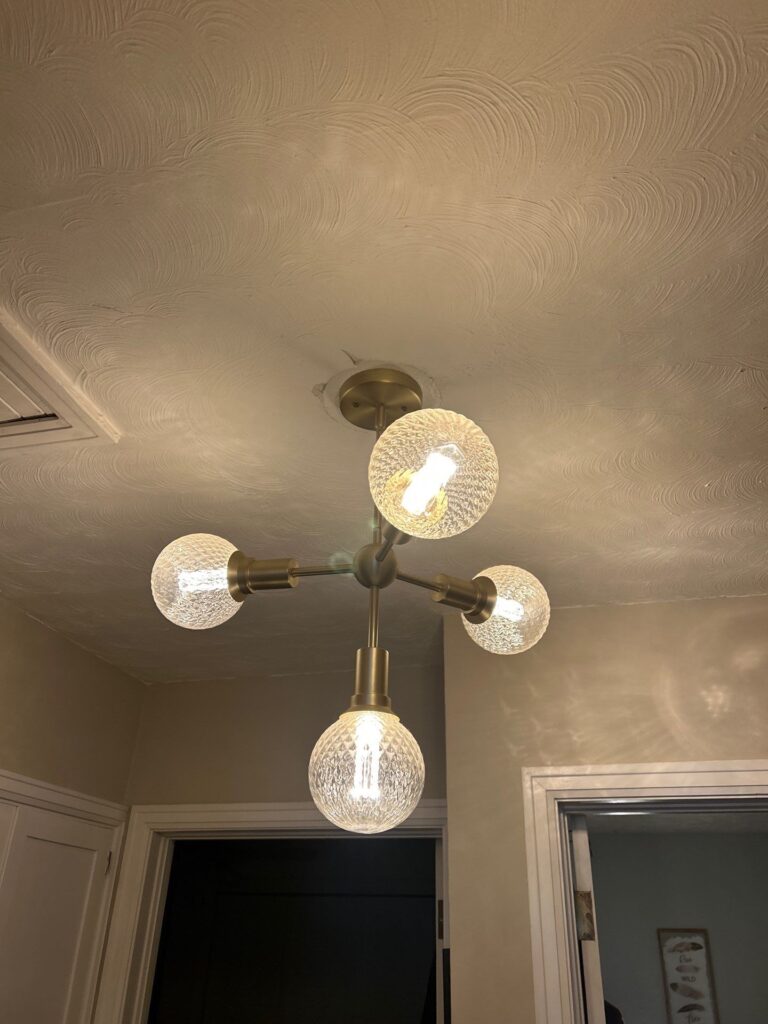
The Dangerous Causes Behind Flickering Lights
Loose neutral connections inside the main panel rank among the most serious causes of flickering lights. A failing neutral sends uneven voltage to different circuits, which can damage electronics and create a fire risk. Signs include flickering that gets worse over time, warm outlets, and appliances behaving erratically. This problem grows slowly until it reaches a dangerous level, which is why early detection matters. Only a qualified electrician should open a main panel to test for neutral faults. Attempting this repair without training exposes you to live conductors carrying lethal current.
Aluminum wiring installed in homes from the 1960s and early 1970s creates another hidden flicker hazard. Aluminum expands and contracts more than copper, which loosens connections at outlets and switches over decades. Those loose points heat up during normal use and sometimes show up first as dim or flickering lights. Some older homes in the Idaho Falls region still have aluminum branch wiring that needs special connectors or full replacement. Ignoring aluminum wiring issues has led to house fires across the country. A full electrical inspection reveals if your home has this wiring and what steps will make it safe.
Overloaded circuits force wires to carry more current than they were designed for, which produces heat and flicker. Adding space heaters, window AC units, or large entertainment systems to an older circuit often pushes it past its limit. Breakers should trip in these situations, but worn or failing breakers sometimes fail to do their job. A flickering light on a circuit that runs hot to the touch is an urgent warning. Circuit upgrades, panel upgrades, or new dedicated circuits fix this problem permanently. Waiting too long invites melted insulation and the real possibility of a fire inside the wall.
The Seasonal Causes Behind Flickering Lights
Winter weather in eastern Idaho puts heavy strain on residential electrical systems. Furnaces, space heaters, block heaters, and holiday lighting all run at the same time during the coldest months. This combined load reveals weaknesses in older panels, undersized service lines, and tired breakers. Flickering that only shows up during cold snaps often traces back to the furnace blower or an overloaded circuit. Addressing the issue before deep winter arrives prevents a breakdown on the coldest night of the year. A panel evaluation gives you a clear picture of what your system can handle.
Ice storms and heavy snow also damage the service lines running from the utility pole to your home. A branch loaded with ice can sag onto the line and create intermittent faults. Wind-driven snow works into weatherheads and meter bases, corroding connections over time. Those slow failures start as occasional flickers before developing into full outages. Homeowners in Swan Valley, Victor, and Driggs see these issues more often because of heavier snowfall and stronger wind. A weatherhead inspection each fall catches damage before the first real storm.
Summer brings a different set of stressors centered around air conditioning and well pumps. Central AC units and mini splits pull a heavy startup load every time the compressor cycles. On a hot afternoon with the AC running constantly, the panel works harder than at any other time of year. Flickering lights during summer often point to an undersized service, a failing contactor, or a struggling compressor. Addressing these issues early keeps both your electrical and HVAC systems working through the heat. Click here for our air conditioning maintenance service to keep summer loads under control.

How to Respond When Your Lights Start Flickering
Your response to flickering lights should match the pattern and severity of what you see. A single flicker during a thunderstorm usually does not require action. Flickering that happens daily, affects multiple rooms, or comes with other warning signs deserves immediate attention. Knowing the right steps helps you avoid both panic and dangerous delay. Safety comes first, which means turning off affected circuits if you notice burning smells, heat, or sparks. Professional diagnosis should follow any flickering that cannot be explained by a loose bulb or a single large appliance.
The First Steps to Take for Flickering Lights
Start by checking the bulb itself before assuming a larger problem. Turn off the switch, let the bulb cool, and then tighten it firmly into the socket. If the flicker continues, swap in a new bulb of the correct wattage and type for that fixture. This simple test rules out the most common cause and costs almost nothing. Keep track of when the flicker happens, which rooms are affected, and what appliances are running. These details help an electrician diagnose the issue faster during the service call.
Next, pay attention to patterns tied to specific appliances. If the lights dim only when the furnace, AC, or dryer starts, the issue likely involves circuit capacity or panel condition. Note the age of your panel and whether you have added major appliances since it was installed. A 100-amp panel from the 1980s may not support an electric vehicle charger, a hot tub, or modern HVAC equipment. Write down the brand and amperage rating of your panel if you can see it safely. This information gives your electrician a head start on the recommendation.
Check outlets and switches on the affected circuit for warmth, discoloration, or buzzing sounds. A warm faceplate is never normal and signals a problem that needs immediate professional attention. Burning smells from an outlet call for shutting off that circuit at the breaker right away. Do not plug or unplug anything from a hot or smoking outlet, and do not try to open the outlet yourself. Call a licensed electrician the same day if you notice any of these warning signs. Fast action in this situation prevents fires and protects everyone in the home.
The Warning Signs That Demand Immediate Action for Flickering Lights
Some flicker patterns signal an emergency and require you to stop using affected circuits right away. Flickering combined with a burning plastic smell is the clearest sign of overheating inside a wire or device. Crackling or popping sounds from a switch, outlet, or panel mean arcing is already happening. Visible sparks, smoke, or scorch marks call for shutting off power at the main breaker and leaving the area. These situations move from warning to active hazard very quickly. Calling for emergency electrical service at this point is the only safe choice.
Whole-house flickering that worsens over days or weeks often points to a failing main service connection. This type of failure can damage expensive appliances like refrigerators, computers, and HVAC equipment through voltage swings. You may notice dim lights in one part of the house while lights in another part burn unusually bright. That imbalance is a classic sign of a lost or failing neutral on the service side. Utility crews and licensed electricians coordinate on these repairs, and the problem should never be ignored. A whole-house surge protector adds an extra layer of defense against voltage irregularities during and after such events.
Breakers that trip repeatedly on the same circuit point to either an overload or a short circuit. Resetting a breaker again and again without finding the cause damages the breaker and hides the underlying fault. A breaker that feels warm, looks discolored, or smells burnt should be replaced by a qualified electrician. Circuit breaker issues often appear alongside flickering lights because both come from the same stressed wiring. Click here for our circuit breaker repair service if you see these patterns in your home. Addressing breaker problems early protects the rest of your electrical system.

The Repairs That Solve Flickering Lights
Many flicker problems get resolved by tightening connections at switches, outlets, and junction boxes. A trained electrician uses a torque screwdriver to bring every terminal to the proper specification. This work takes time but eliminates the loose contact points that cause most minor flicker issues. Replacing worn devices at the same time prevents the problem from returning within a year or two. Homeowners often notice brighter, steadier light across the entire home after this type of service. The improvement confirms how much small connections affect overall performance.
Panel upgrades solve flicker problems that come from insufficient capacity or outdated equipment. A modern 200-amp panel supports today’s electrical demands, including HVAC systems, EV chargers, and home offices. Replacing old Federal Pacific or Zinsco panels also removes a known safety hazard found in many older homes. The new panel includes modern breakers that respond properly to overloads and short circuits. Service upgrades sometimes accompany panel work when the existing service line is undersized. Planning this upgrade ahead of time avoids emergency replacement during a failure.
Rewiring specific circuits addresses flicker caused by damaged, undersized, or degraded wire. Kitchens, bathrooms, and laundry rooms often need dedicated circuits to handle modern appliances safely. Replacing aluminum branch wiring with copper, or installing approved connectors, eliminates a major fire risk. Rewiring also allows for the addition of GFCI and AFCI protection in areas that need it. These upgrades bring the home in line with current electrical code and improve day-to-day performance. A full home evaluation identifies which circuits need attention and which are still in good shape.
Why You Need a Professional Electrician for Flickering Lights
Flickering lights sit at the intersection of electrical safety and home performance, which makes professional diagnosis the right call. DIY testing inside a panel or service connection carries real risk of shock, arc flash, and injury. A licensed electrician carries the tools, training, and liability coverage needed to handle these repairs safely. Correct diagnosis the first time also saves money compared with repeated guesswork. Protecting your family and your property starts with calling the right professional.
Why You Need Timely Inspection for Flickering Lights
Small electrical problems rarely fix themselves, and most grow worse with continued use. A loose connection that causes a minor flicker today can be the source of a wall fire next year. Timely inspection catches these issues while repairs are still simple and affordable. Regular checks also document the condition of your electrical system for insurance and resale purposes. Many Idaho Falls area homeowners schedule inspections during home purchases, remodels, or after severe storms. These moments are natural times to confirm the system is safe.
Inspections also help you plan for future upgrades in a realistic way. Adding an EV charger, a hot tub, or a whole-home generator requires enough service capacity to support the new load. An electrician reviews the panel, service line, and existing circuits to confirm what can be added safely. This planning avoids surprise costs and prevents code violations during permitted work. Pairing an inspection with upgrade planning saves time on later service calls. It also gives you a clear roadmap for improving your home over several years.
Homes in Ammon, Ucon, Shelley, and Idaho Falls show a wide range of ages and electrical conditions. Older neighborhoods often have two-prong outlets, limited circuits, and panels near the end of their service life. Newer builds may have plenty of capacity but still develop loose connections in high-use areas. A thorough inspection adapts to whatever the home needs rather than following a generic checklist. The result is a clear list of priorities, with safety issues addressed first. Budget-friendly phased repairs often follow the inspection.
Why You Need Quality Parts for Flickering Lights
Cheap switches, outlets, and breakers wear out quickly and often cause repeat problems. Quality devices hold their torque specification longer and tolerate heavier use without failing. Spending a little more on each device during a service call saves money on future repairs. Quality parts also carry real manufacturer warranties that stand behind the work. Homeowners who invest in better materials usually enjoy a quieter, more reliable electrical system for many years. These small choices add up over the life of the home.
Panels and breakers from reputable manufacturers offer better long-term protection than bargain alternatives. Square D, Eaton, and Siemens panels carry strong reputations among electricians for durability and safety. Their breakers trip within expected tolerances and remain serviceable for decades when installed correctly. Matching breakers to the panel brand preserves listings and keeps the installation code-compliant. A licensed electrician knows which brands suit your specific situation and stocks them on the truck. This matters when a storm, outage, or sudden failure calls for a quick repair.
Wiring itself varies in quality, and the difference shows up over time. Premium copper wire with proper insulation handles heat and age better than budget options. Connectors, wire nuts, and grounding devices also come in multiple grades. Using listed, high-quality materials for every part of the circuit produces work that lasts. Homeowners rarely see these choices directly, but they feel the difference through fewer problems and steadier performance. Click here for our electrical wiring service when you need wiring work done right.
Why You Need to Choose Minuteman Electric & HVAC for Flickering Lights
Minuteman Electric & HVAC brings 45 years of combined experience to every electrical call across eastern Idaho. Owners Jarrod Mount and Ted Mount built the company on clear communication, fair pricing, and workmanship that holds up over time. Our team holds the training and certifications needed to diagnose flickering lights and related electrical problems accurately. We serve Idaho Falls, Rigby, Rexburg, Ammon, Shelley, Ucon, Driggs, Victor, Swan Valley, and Irwin with fast response times. Reader’s Choice recognition reflects the trust local homeowners place in our work.
Free estimates and straightforward pricing make it easy to plan your electrical repairs without surprise fees. We explain what we find, what it will cost, and what options you have before any work begins. Financing is available for larger projects like panel upgrades, rewiring, and service changes. Our technicians take time to answer questions and walk you through the repair process. You leave the call understanding your system better than when you started. That transparency is part of the Minuteman ethos.
Electrical safety is the heart of what we do, and flickering lights deserve the same care as any other electrical concern. Our team shows up prepared with the tools, parts, and knowledge to resolve the issue in a single visit when possible. We stand behind our work and back it with the follow-through homeowners expect from a local company. Call (208) 520-7885 or email solutions@minutemanservicesid.com to schedule a visit to your home. Your lights should shine steady, and your family should feel safe in every room. Minuteman Electric & HVAC makes that happen every day across eastern Idaho.