
How to Keep Your Heat Pump Running Smoothly in Cold Weather
Idaho winters put heat pumps to the test, and homeowners across the Snake River Valley often wonder how to keep their systems running at peak performance when temperatures drop. A heat pump works by transferring heat from outside air into your home, so cold weather creates extra strain on every component. With the right care, your heat pump can deliver reliable warmth even during the coldest stretches of January and February. Regular attention to airflow, defrost cycles, and outdoor unit conditions makes a measurable difference in comfort and energy bills. This guide walks through practical steps you can take at home, along with the professional services that keep your system protected all winter long. Idaho Falls homeowners rely on proven maintenance habits to avoid breakdowns during the coldest days of the year.
How Cold Weather Affects Heat Pump Performance in Idaho Falls
Heat pumps operate differently than traditional furnaces, and understanding that difference helps you care for your system properly. When outdoor temperatures drop below freezing, your heat pump works harder to pull heat from the air and transfer it indoors. Frost and ice buildup on the outdoor coil is common, which is why modern systems include a defrost cycle. If airflow is blocked or refrigerant levels are off, performance suffers quickly. Staying ahead of these issues keeps your energy bills stable and your home comfortable through Idaho’s harsh winter months.
How Cold Temperatures Impact Heat Pump Efficiency
Heat pumps lose some efficiency as outdoor temperatures fall, and the drop becomes more noticeable below 30 degrees Fahrenheit. In Idaho Falls, nighttime lows often sit in the single digits or below zero during December and January. At those temperatures, your heat pump may run longer cycles to maintain the thermostat setting. Most modern heat pumps include auxiliary or emergency heat strips that kick in when the outdoor coil cannot extract enough heat. This backup system uses electric resistance heating, which costs more to operate than the heat pump alone. Knowing when your system switches to auxiliary heat helps you spot problems early. If the auxiliary heat runs constantly, something is likely wrong with the primary heat pump operation.
Ice and frost formation on the outdoor unit is a natural part of heat pump operation in cold weather. The coil gets colder than the outside air, so moisture in the air condenses and freezes on the coil surface. Your heat pump runs a defrost cycle every 30 to 90 minutes to melt that ice. During defrost, the system temporarily reverses, sending warm refrigerant to the outdoor coil. You may notice steam rising from the outdoor unit, which is normal. A defrost cycle typically lasts 10 to 15 minutes before the system returns to heating mode. If ice builds up faster than the defrost cycle can handle, the system falls behind.
Wind chill also plays a role in how your heat pump performs on the coldest days. Sustained wind across the outdoor unit pulls heat from the coil faster, making the system work harder. Snow drifts piled against the unit block airflow and reduce capacity. Homeowners in Idaho Falls often see these conditions during winter storms. Keeping the outdoor unit clear and positioned properly from the start helps minimize these effects. A technician can evaluate your installation during a maintenance visit and recommend improvements. Small adjustments to airflow and placement can yield noticeable gains in winter comfort.

How Snow and Ice Buildup Damages a Heat Pump
Snow accumulation around the outdoor unit is one of the most common winter problems in Idaho. When snow piles up against the sides or buries the top of the unit, airflow drops sharply. A heat pump needs steady airflow across the coil to work properly, so restricted air means reduced heating capacity. You may notice warm air from vents feels cooler than usual, or the system runs without reaching the thermostat setting. After every major snowfall, clear at least two feet of space around the outdoor unit. Gently brush snow off the top and sides with a broom, avoiding any sharp tools that could damage the fins.
Ice buildup is a more serious issue that signals trouble with the defrost cycle. Thick ice on the coil, fan blades, or at the base of the unit means something is preventing normal operation. The defrost sensor, reversing valve, or control board may be at fault. Refrigerant issues can also cause abnormal ice formation. If you see heavy ice that does not melt during a defrost cycle, turn the system to emergency heat and call a technician. Running a heat pump with severe ice buildup can bend fan blades, damage the compressor, and lead to expensive repairs.
Freezing rain and ice storms create another set of problems for outdoor units. A layer of ice over the coil acts as insulation, preventing the system from absorbing heat from the air. The defrost cycle may struggle to break through thick ice, especially if temperatures stay below freezing for days. Never pour hot water on a frozen heat pump, since the sudden temperature change can crack components. Instead, let the defrost cycle do its work and monitor performance. If the problem persists, professional service is the safest option. Need heat pump repair? Click here for our heat pump repair service.
How Short Cycling Signals Heat Pump Problems in Winter
Short cycling happens when your heat pump turns on and off repeatedly without completing a full heating cycle. In cold weather, this problem becomes more noticeable because the system struggles to maintain temperature. Common causes include a dirty air filter, low refrigerant, a faulty thermostat, or an oversized system. Each short cycle puts extra wear on the compressor, which is the most expensive component to replace. Catching this issue early saves money and extends the life of your equipment.
A clogged air filter is often the first thing to check when short cycling starts. Restricted airflow causes the indoor coil to overheat or freeze, triggering safety shutoffs. Replace the filter every one to three months during heavy use, and check it monthly during winter. If a fresh filter does not solve the problem, the issue likely lies deeper in the system. Thermostat placement near a heat source or drafty window can also cause false readings. Moving the thermostat or recalibrating it may fix the cycling pattern.
Refrigerant levels that are too low or too high cause pressure imbalances that trigger short cycling. Only a licensed technician should handle refrigerant, since it requires specialized tools and EPA certification. Electrical issues with the contactor, capacitor, or control board can also cause the system to cycle improperly. A thorough diagnostic catches these problems before they damage the compressor. Regular maintenance visits identify worn components before they fail. Proactive service keeps your heat pump running smoothly through the coldest months.

Winter Heat Pump Maintenance Tips for Idaho Falls Homeowners
Good maintenance habits make the biggest difference in how your heat pump performs during Idaho winters. Simple tasks like filter changes, clearing the outdoor unit, and watching for warning signs prevent most common failures. A professional tune-up before winter catches hidden issues and ensures refrigerant, electrical, and mechanical components are ready for heavy use. Combining homeowner care with annual service from a qualified technician gives you the best protection. These winter maintenance steps work for every type of heat pump, from standard air-source units to cold-climate models.
Winter Heat Pump Maintenance Tasks You Can Do at Home
Changing the air filter is the single most important task for winter heat pump maintenance. A dirty filter restricts airflow, reduces efficiency, and can cause the indoor coil to freeze. Check your filter every month during heavy heating use and replace it when you see visible buildup. Most homes use a standard one-inch pleated filter, though some systems use thicker media filters that last longer. Match the replacement filter to the size and MERV rating listed on the existing one. A clean filter protects the blower motor and keeps warm air moving through your ducts.
Keeping the outdoor unit clear of snow, ice, and debris is the next key task. Leaves, grass clippings, and dust from summer can accumulate on the coil and block airflow. Before the first snowfall, remove any debris from the top, sides, and base of the unit. During winter, check after every storm and clear snow from all four sides of the cabinet. Make sure the unit sits at least four inches above the ground so melting snow can drain away. Elevated pads or stands help in areas with deep snowfall, which is common across eastern Idaho.
Inspect the indoor unit and vents monthly to confirm good airflow throughout the home. Closed or blocked supply registers force your system to work harder and can cause pressure imbalances. Open every vent in rooms you use and move furniture away from return air grilles. Listen for unusual sounds like rattling, humming, or grinding, which often indicate worn parts. Check around the indoor unit for water stains or drips, which may signal a drain problem. Catching small issues early prevents larger repairs later. Want professional heat pump maintenance before winter hits harder? Click here for our heat pump maintenance service.
Winter Heat Pump Maintenance Services a Technician Provides
A professional heat pump tune-up covers dozens of checks that homeowners cannot perform safely. Technicians measure refrigerant pressure on both the high and low sides to confirm proper charge. They test electrical components including the contactor, capacitor, reversing valve, and defrost board. Amp draw readings on the compressor and fan motors reveal worn parts before they fail. A thorough inspection of the indoor coil, blower motor, and drain system catches hidden problems. These measurements give a clear picture of system health heading into winter.
Cleaning is another major part of professional service that requires the right tools and chemicals. Technicians use coil cleaner to remove dirt and debris from the outdoor and indoor coils, restoring heat transfer. They check and clean the blower wheel, which collects dust and reduces airflow over time. Drain lines get flushed to prevent clogs that can cause water damage. Electrical connections are tightened and inspected for corrosion, which is common in cold, wet climates. This level of cleaning is difficult to match with homeowner tools alone.
Safety testing rounds out a complete maintenance visit. Technicians verify proper operation of the defrost cycle, auxiliary heat, and emergency heat modes. They check that carbon monoxide levels are normal if your system includes any combustion components. Thermostat calibration ensures the system responds accurately to temperature settings. A written report documents findings and any recommended repairs. Regular annual service often extends equipment life and maintains manufacturer warranty coverage. Investing in fall maintenance saves money on emergency winter repairs.

Winter Heat Pump Maintenance Warning Signs to Watch For
Unusual noises from your heat pump often signal mechanical problems that need attention. Grinding sounds may indicate bearing failure in the fan motor or compressor. Hissing or bubbling can point to refrigerant leaks, which reduce heating capacity and harm the environment. Banging or clanging noises sometimes come from loose parts or ice hitting the fan blades. A steady humming without the system starting usually means a failed capacitor. Any new or louder sound than usual warrants a professional inspection.
Uneven heating between rooms is another common warning sign during winter. If some areas stay cold while others feel warm, airflow problems or duct leaks may be to blame. A heat pump that cannot keep up with the thermostat setting on moderately cold days has likely lost capacity. Frost or ice that does not clear after a defrost cycle indicates a sensor or control problem. Rising energy bills without a change in habits also point to declining efficiency. Tracking these patterns helps you catch issues before they become emergencies.
Unusual smells from vents should never be ignored during the heating season. A burning smell may come from dust burning off heating elements when the system first starts each fall. Persistent burning odors after that point can indicate electrical problems or overheating components. Musty smells often mean moisture buildup in the ductwork or coil. Any chemical or sweet smell near the indoor or outdoor unit could signal a refrigerant leak. Turn off the system and call a technician if you notice any of these warning signs. Quick action prevents small problems from turning into major breakdowns.
Why You Need Professional Heat Pump Service in Idaho Falls
Idaho winters are too cold to risk heat pump failure, and professional service gives you confidence that your system is ready for the season. Trained technicians catch issues that homeowners cannot see, from refrigerant charge to electrical wear. Minuteman Electric & HVAC brings decades of experience to every heat pump visit in Idaho Falls and surrounding communities. Free estimates and straightforward pricing make it easy to plan for maintenance or repairs. Financing options help when unexpected repairs come up during the coldest months.
Why Professional Heat Pump Service Protects Your Investment
A heat pump represents a major investment in your home, often costing thousands of dollars to install. Regular professional service protects that investment by extending equipment life and maintaining efficiency. Manufacturers typically require documented annual maintenance to keep warranty coverage valid. Skipping service can void warranties and leave you paying out of pocket for repairs that should be covered. Professional tune-ups typically pay for themselves through lower energy bills and fewer breakdowns.
Catching small problems early prevents expensive emergency repairs during winter storms. A worn capacitor might cost little to replace during a maintenance visit but lead to compressor failure if left alone. Compressor replacement is one of the most expensive heat pump repairs. Low refrigerant caught early is simple to address, while ignored leaks can damage the compressor beyond repair. Annual service identifies these issues before they escalate. Peace of mind during cold snaps is worth the investment.
Professional service also ensures safe operation of all electrical and mechanical components. Loose wiring, corroded connections, and worn contactors can cause fires or sudden shutdowns. Technicians follow strict safety protocols and carry proper testing equipment. They document every visit with detailed notes on system condition and recommended actions. This record helps track equipment health over time and supports warranty claims if needed. Safety and reliability go hand in hand with proper professional care.
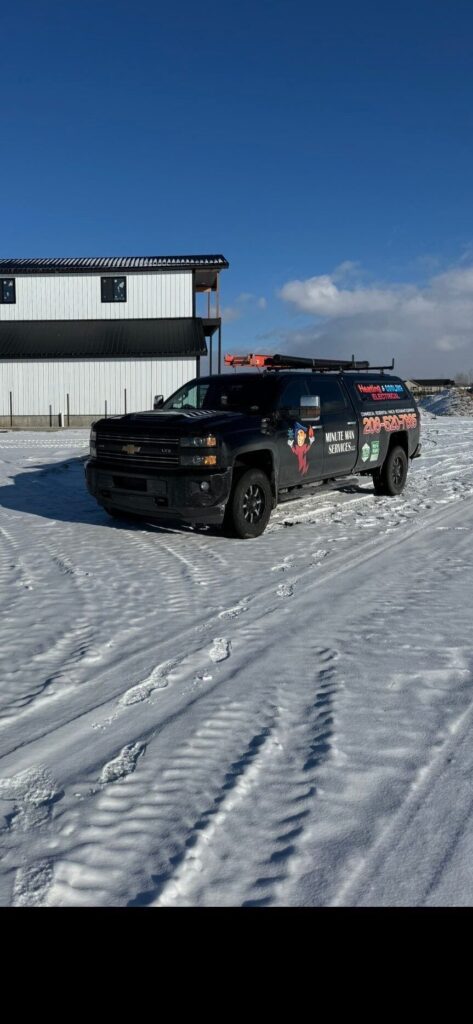
Why Fall Tune-Ups Prepare Your Heat Pump for Winter
Fall is the ideal time for a heat pump tune-up because it catches problems before heavy winter use. Technicians have more availability in fall than during peak winter months, so scheduling is easier. A thorough inspection in September or October gives time to order parts and complete repairs before the first hard freeze. Waiting until the system fails in January means longer wait times and higher stress. Planning ahead keeps your family warm and comfortable.
Fall service includes switching the system from cooling to heating mode and testing all winter-specific functions. The reversing valve, defrost controls, and auxiliary heat get special attention during a fall visit. Technicians calibrate the thermostat and confirm that all safety controls work properly. Any dirt, dust, or debris from summer gets cleaned away before it can cause problems. Refrigerant charge is verified to ensure the system can handle cold weather demands.
Budget planning is another benefit of fall maintenance visits. Technicians identify components that may need replacement soon and provide estimates for planning purposes. You can choose to address minor repairs during the tune-up or schedule them at a convenient time. Catching issues in fall avoids emergency service fees that often come with winter breakdowns. Financing options through Minuteman Electric & HVAC make larger repairs manageable. Fall preparation sets the stage for a trouble-free winter.
Why Choose Minuteman Electric & HVAC for Heat Pump Care
Minuteman Electric & HVAC is a Reader’s Choice Award-winning company serving Idaho Falls and surrounding communities. Owners Jarrod Mount and Ted Mount lead a team with 45 years of combined HVAC experience. Our technicians are NATE and EPA certified, meeting the highest standards for training and skill. We treat every home with respect and explain our work in plain language. Customers across eastern Idaho trust us for honest service and reliable results.
We offer free estimates and straightforward pricing on every heat pump service. No hidden fees or surprise charges, just clear communication from start to finish. Financing options are available for larger repairs and new installations, making comfort affordable for every household. Our service area covers Idaho Falls, Ammon, Rigby, Rexburg, Shelley, Ucon, Victor, Driggs, Irwin, and Swan Valley. Whenever you need heat pump service, we are ready to help.
Call Minuteman Electric & HVAC at (208) 520-7885 or email solutions@minutemanservicesid.com to schedule your winter heat pump service. Our office at 3912 N Yellowstone Hwy Ste A, Idaho Falls, ID 83401 is open for consultations and estimates. Need a full heat pump installation before next winter? Click here for our heat pump installation service. We bring decades of experience, modern tools, and a genuine commitment to customer satisfaction on every job. Trust Minuteman Electric & HVAC to keep your heat pump running smoothly through every cold Idaho winter.