
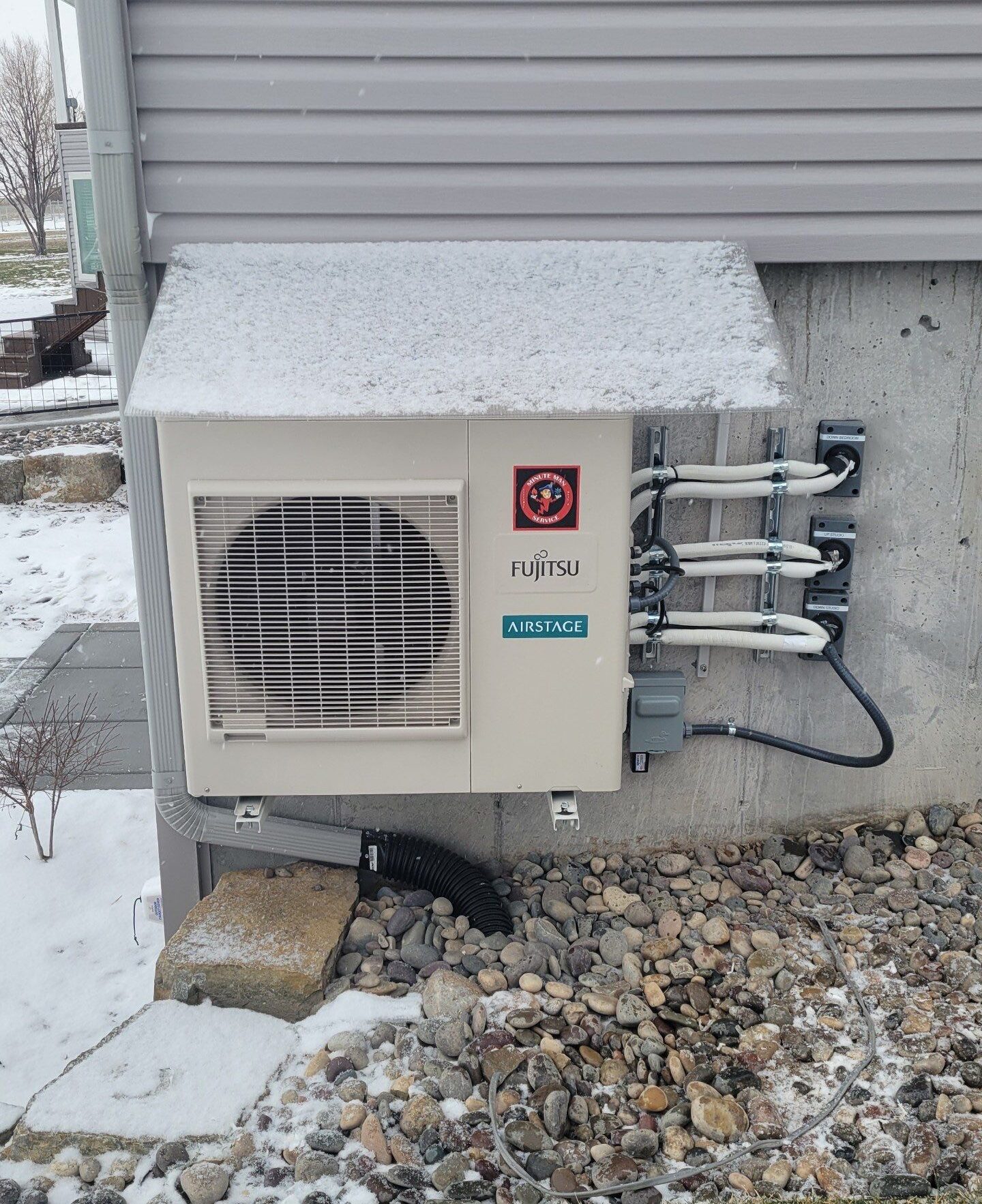
Can a Heat Pump Handle Idaho Winters?
The climate in Idaho Falls is defined by its extremes: hot summers require relentless air conditioning, while winters are notoriously long, cold, and often drop into the sub-zero temperatures. For many years, the conventional wisdom held that heat pumps, which operate by extracting heat from the outdoor air, simply could not handle this level of cold. The assumption was that once the temperature dropped below freezing, the heat pump would stop working, leaving the homeowner reliant on expensive, inefficient electric resistance heat.
That traditional understanding is now outdated. Due to significant advancements in HVAC engineering, the modern heat pump, specifically the Cold Climate Heat Pump (CCHP), has become a game changing technology. It is now a highly viable, energy efficient, and cost saving solution for Southeast Idaho homes. The key to answering whether a heat pump can handle Idaho winters lies not in the question of whether heat exists in cold air—it does—but in whether the technology can efficiently extract and amplify that heat when the thermometer reads zero degrees or lower.
Modern CCHPs have revolutionized their suitability for cold regions. When paired with the appropriate system design, they offer reliable heating and cooling, providing year round comfort and significantly lower utility bills. Understanding the technology and the best system setup for our specific high desert climate is essential for any Idaho homeowner considering an upgrade.
Debunking the Cold Climate Myth
The myth that heat pumps fail in cold weather originates from older technology. Traditional air source heat pumps were designed for milder climates and relied on a standard single speed compressor. Once the outdoor temperature dropped below 40 degrees Fahrenheit, these units would rapidly lose efficiency, struggling to extract enough heat. Below 30 degrees, they would often switch entirely to an auxiliary electric resistance heat source. This backup heat uses electricity to generate warmth, similar to a toaster, which eliminates the energy saving benefit of the heat pump and drives up utility costs.
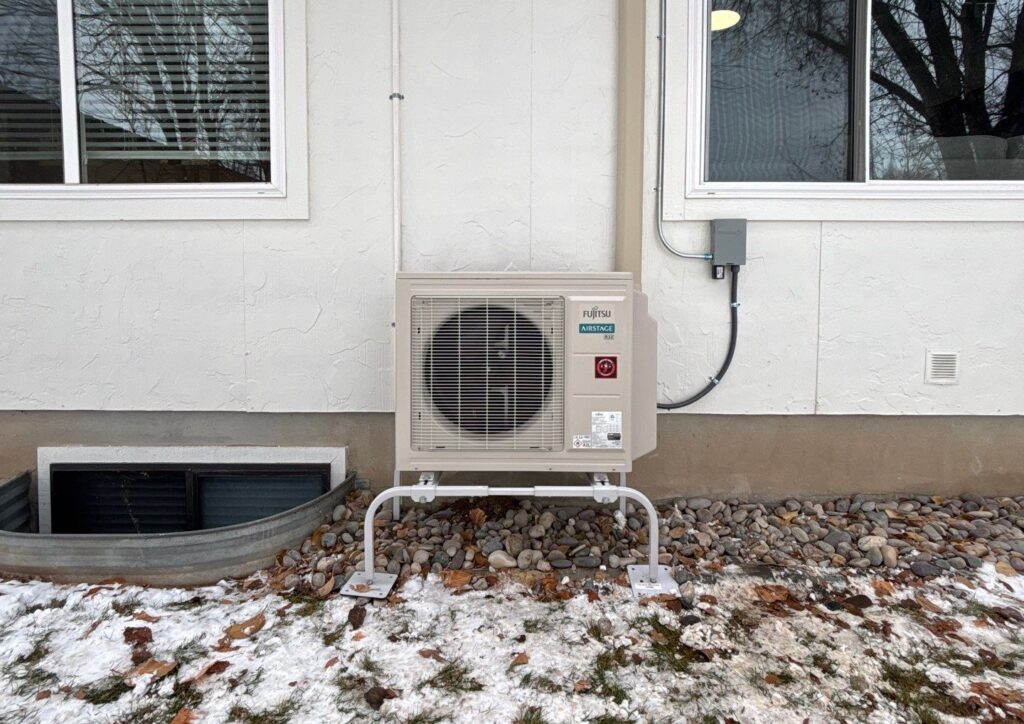
Modern Cold Climate Heat Pumps, however, have overcome this fundamental limitation. They are specifically engineered with sophisticated features that allow them to maintain a high percentage of their heating capacity even when the outdoor temperature is well below freezing. High end “Hyper Heat” models are proven to operate effectively and provide meaningful warmth down to temperatures as low as -13 degrees Fahrenheit, with some high end systems even performing past -20 degrees.
This technological leap means that a CCHP can efficiently handle the vast majority of our heating season, relying on backup heat only for the absolute worst cold snaps. Furthermore, the efficiency gains are enormous. Compared to an old electric furnace or baseboard heater, a heat pump can reduce electricity usage for heating by up to 75 percent, a massive financial benefit for Idaho homeowners.
The Science Behind Cold Climate Performance
The ability of a modern CCHP to function efficiently in sub zero temperatures is the result of several key engineering breakthroughs. These advancements primarily center around the compressor and the handling of refrigerant.
Variable speed compressors are the foundation of modern heat pump performance. Unlike older single speed units that were either 100 percent on or 100 percent off, variable speed compressors can modulate their speed and capacity precisely to meet the home’s heating demand. When the temperature drops to 35 degrees, the compressor can ramp up its speed to work harder, increasing the efficiency of the heat transfer process. This modulation prevents the system from cycling on and off constantly, reducing wear and tear while maintaining a consistently comfortable temperature inside the home.
Need a heat pump install? Click here for our heat pump installation service.
Another critical innovation is Vapor Injection, often called Enhanced Vapor Injection (EVI). This technology allows the system to route a small amount of refrigerant vapor back into the compressor. This vapor injection process boosts the temperature and pressure of the refrigerant cycle. By increasing the heat differential between the system and the cold outside air, the heat pump can extract thermal energy far more effectively than a traditional unit. EVI is what allows CCHPs to maintain a surprisingly high capacity retention, ensuring they still deliver warmth even as the mercury falls toward zero.
Finally, modern CCHPs feature enhanced defrosting cycles. In cold and humid conditions, the outdoor coil naturally ices up as it extracts heat from the air. This requires a defrost cycle to melt the ice. CCHPs utilize advanced sensors to monitor the ice buildup and only initiate the defrost cycle when truly necessary. This enhanced control prevents inefficient, unneeded defrost cycles, keeping the system focused on heating the home and saving energy.
The Ultimate Idaho Solution: Dual Fuel Systems
While modern CCHPs are highly capable, for the extreme, record low temperatures occasionally seen in the Idaho Falls area, the best solution for ultimate comfort and efficiency is often a dual fuel or hybrid system. A dual fuel system seamlessly pairs an electric cold climate heat pump with a high efficiency natural gas furnace.
This system is governed by a specialized thermostat control board that sets a “balance point,” which is a predetermined outdoor temperature, usually around 25 to 30 degrees Fahrenheit. The heat pump handles all cooling in the summer and all heating down to the balance point, operating at its peak efficiency during the fall and most of the winter. When the outdoor temperature drops below the balance point, the heat pump automatically switches off, and the gas furnace instantly takes over.

This strategy offers homeowners the best of both worlds. They gain the massive energy and cost savings of the highly efficient heat pump for the 80 to 90 percent of the heating season when the temperatures are moderate. Simultaneously, they retain the raw, powerful, and lower cost heat generation of the natural gas furnace for the small percentage of the year when the temperature truly plummets. This hybrid approach ensures consistent warmth and comfort without overloading the electrical system or compromising efficiency. Minuteman Services, with expertise in both HVAC and the necessary complex electrical controls, is uniquely suited to install and calibrate these sophisticated systems.
Beyond Air Source: Geothermal and Mini Splits
Not all cold climate heat pumps rely on the air. Geothermal, or ground source, heat pumps utilize the stable temperature of the earth to provide heating and cooling. Just a few feet below the surface, the earth remains at a consistent temperature, generally between 45 and 55 degrees, regardless of how cold it is above ground.
Geothermal systems circulate a fluid through a network of underground pipes, which absorbs the earth’s heat and transfers it into the home. Because the heat source remains constant and reliable, geothermal systems maintain exceptional efficiency even when the outdoor air temperature drops to -20 degrees. While the initial installation cost is higher due to the excavation required for the underground loop system, the long term energy savings and stability can make it a worthwhile investment for homeowners committed to maximum efficiency.
Want to know why seasonal HVAC maintenance saves money? Click here for more information.
For homes without existing ductwork, such as older homes or new additions, ductless mini split heat pumps offer another highly efficient, cold climate option. These systems provide zoned heating and cooling for specific rooms or areas, allowing the homeowner to customize comfort and avoid heating or cooling unused spaces. Modern mini split systems use CCHP technology and are highly effective in cold regions, offering an excellent alternative to older, inefficient baseboard electric heaters.
Installation and Maintenance are Non Negotiable
The performance of a heat pump, particularly in a cold climate, is only as good as its installation. In the harsh environment of Idaho Falls, a generic installation approach will not suffice. Proper system sizing is critical; an undersized system will struggle and constantly rely on backup heat, negating the efficiency benefits. The installation must ensure the outdoor unit is properly placed, allowing for unobstructed airflow to efficiently draw heat from the ambient air.

Furthermore, managing condensate drainage is vital in freezing weather. Heat pumps produce a large amount of water during their defrost cycles. If this water freezes beneath the unit, it can create an ice pad that eventually encases the unit’s base and damages the coils. Proper elevation and drainage are necessary to prevent this.
Once installed, a heat pump requires consistent, year round maintenance. Unlike a furnace, which only heats for part of the year, a heat pump operates constantly. Regular filter changes, annual professional tune ups, and keeping the outdoor unit clear of snow, ice, and debris are essential for maintaining peak efficiency and preventing breakdowns. Keeping the outdoor unit clear of snow and debris during the winter months is a necessary task for the Idaho homeowner.
The answer to the question, “Can a heat pump handle Idaho winters?” is a resounding yes, provided you choose the correct technology and ensure professional installation. The days of heat pumps being reserved for mild climates are over. Modern Cold Climate Heat Pumps, with their advanced compressors and heat extraction capabilities, are highly efficient down to very low temperatures. When integrated into a dual fuel system alongside a reliable gas furnace, they offer the ultimate balance of energy savings and absolute heating security for the Idaho Falls climate. If you are looking to drastically lower your utility bills, enjoy superior year round comfort, and reduce your environmental footprint, a CCHP or dual fuel system is the smart investment. Minuteman Services is ready to assess your home and design the perfect cold climate HVAC solution.