
How Humidity Affects Your Air Conditioner Performance
Humidity plays a major role in how well your air conditioner cools your home during Idaho Falls summers. Most homeowners focus on the thermostat reading, but the moisture level in the air often determines true comfort. When humidity rises, your air conditioner works harder to pull water vapor from the air before it can lower the temperature. This extra workload affects energy bills, system lifespan, and indoor comfort levels. Understanding the connection between humidity and cooling performance helps you make smarter decisions about your HVAC system. Idaho’s dry climate still brings humidity challenges, especially during summer storms and irrigation season. Proper humidity control keeps your home comfortable while protecting your investment in your cooling equipment.
How Humidity Impacts Air Conditioner Cooling Performance
Your air conditioner does two jobs at once, and homeowners often forget about the second one. The first job involves removing heat from indoor air, which is what the thermostat measures. The second job involves removing moisture, which directly affects how cool your home actually feels. High humidity forces the system to spend more energy on moisture removal before real cooling can happen. This means longer run times, higher energy bills, and sometimes a home that still feels sticky even when the temperature reads 72 degrees. Idaho Falls residents notice this most during July and August when afternoon thunderstorms push humidity levels up.
The Science Behind Humidity and Air Conditioner Performance
Air conditioners cool your home through a process called refrigeration, which involves evaporator coils that absorb heat from indoor air. As warm, humid air passes over these cold coils, moisture condenses on the coil surface and drains away through a condensate line. This dehumidification process requires significant energy, meaning your air conditioner uses power to remove water from the air before it can focus on lowering temperature. When humidity levels climb above 60 percent inside your home, the cooling process slows dramatically. Your system must work through the moisture load first, which explains why humid days feel so much hotter than dry days at the same temperature. The evaporator coil can only process so much moisture at once, creating a bottleneck during humid weather.
Relative humidity affects how your body perceives temperature through a process called evaporative cooling. Your skin naturally releases sweat to cool you down, but high humidity prevents that sweat from evaporating efficiently. This means you feel warmer than the actual temperature suggests, even inside an air-conditioned home. The ideal indoor humidity range sits between 30 and 50 percent for maximum comfort and health benefits. Anything above 50 percent creates that clammy, sticky feeling many Idaho Falls residents experience on summer afternoons. Anything below 30 percent causes dry skin, static electricity, and respiratory irritation.
Temperature and humidity work together in ways that surprise many homeowners during their first hot summer. A home at 75 degrees with 45 percent humidity feels far more comfortable than the same home at 72 degrees with 65 percent humidity. This explains why simply lowering the thermostat does not always solve comfort problems during muggy weather. Your air conditioner needs time to pull moisture from every room, which requires longer, more consistent run cycles rather than short bursts of cooling. Running the system at a slightly higher temperature with better humidity control often produces more comfort than blasting cold air with poor moisture removal. Need air conditioning maintenance? Click here for our air conditioning maintenance service.

Signs Your Air Conditioner Struggles With Humidity
Sticky air inside your home signals that your air conditioner cannot keep up with moisture removal. You might notice this feeling most in basements, bathrooms, or rooms with poor air circulation. Windows may fog up from the inside, particularly during early morning hours when temperature differences peak. Wood floors and furniture can feel slightly damp to the touch, and some homeowners notice a musty smell in closets or storage areas. These symptoms indicate your cooling system cannot process the moisture load your home currently produces. The longer this problem continues, the more damage moisture causes to your home’s structure and belongings.
Visible condensation on supply vents, ductwork, or cold water pipes points to humidity problems your air conditioner cannot solve alone. When warm, humid air contacts cold surfaces, water droplets form and accumulate over time. This moisture can drip into ceilings, walls, or insulation, creating conditions for mold growth and structural damage. You might also notice your air conditioner running almost constantly without ever satisfying the thermostat setting. Extended run times on humid days sometimes indicate normal operation, but constant running without comfort improvement suggests the system size or configuration cannot handle your humidity load.
Mold or mildew growth in unexpected places often traces back to humidity problems your air conditioner failed to address. Bathroom ceilings, window frames, basement corners, and closet walls can develop dark spots or fuzzy patches when indoor humidity stays elevated. Respiratory symptoms like increased allergies, asthma flare-ups, or persistent coughing may worsen during humid weather because mold spores and dust mites thrive in moist environments. Musty odors throughout the home, particularly in fabrics, carpets, and upholstery, confirm that moisture problems have progressed beyond a simple cooling issue. Addressing these warning signs quickly prevents expensive repairs to both your home and your HVAC system.
How Humidity Affects Air Conditioner Efficiency and Energy Bills
High humidity forces your air conditioner to work significantly harder, which translates directly to higher monthly energy bills. The compressor runs longer cycles, the blower motor operates more frequently, and the entire system consumes more electricity during humid weather. Studies from HVAC industry groups show that homes in humid climates can spend 20 to 40 percent more on cooling costs compared to identical homes in dry climates. Even in Idaho Falls, where humidity levels stay moderate most of the year, summer storm systems can temporarily spike moisture levels and drive up energy usage. Homeowners often notice these increases without understanding the underlying cause.
Oversized air conditioners create surprising humidity problems despite their powerful cooling capacity. A system too large for your home reaches the thermostat temperature quickly, then shuts off before removing enough moisture from the air. This short-cycling pattern leaves humidity levels elevated even though the temperature feels cool, creating that clammy, uncomfortable feeling in an otherwise cold room. Properly sized equipment runs longer, more consistent cycles that pull moisture from every room throughout the cooling season. This is why professional load calculations matter so much when replacing or installing new cooling equipment.
Poor maintenance accelerates humidity-related efficiency losses in ways many homeowners overlook. Dirty evaporator coils cannot absorb heat or moisture effectively, forcing the system to run longer for less cooling output. Clogged condensate drains back up moisture that should leave the home, sometimes causing the drain pan to overflow or the system to shut down entirely. Refrigerant leaks reduce the system’s ability to cool and dehumidify, creating comfort problems that worsen over time. Dirty air filters restrict airflow across the coil, reducing both cooling capacity and moisture removal simultaneously. Regular professional maintenance keeps all these components working together efficiently.
Managing Indoor Humidity With Your Air Conditioner
Smart humidity management combines proper equipment sizing, regular maintenance, and thoughtful daily habits to keep your home comfortable. Your air conditioner serves as your first line of defense against humidity, but it works best when supported by good home practices and well-maintained equipment. Idaho Falls homeowners can take specific steps to reduce the humidity load on their cooling systems during peak summer months. These strategies protect your investment in HVAC equipment while improving comfort for your family. Small adjustments often produce noticeable improvements in both humidity control and energy costs.
Air Conditioner Settings That Control Indoor Humidity
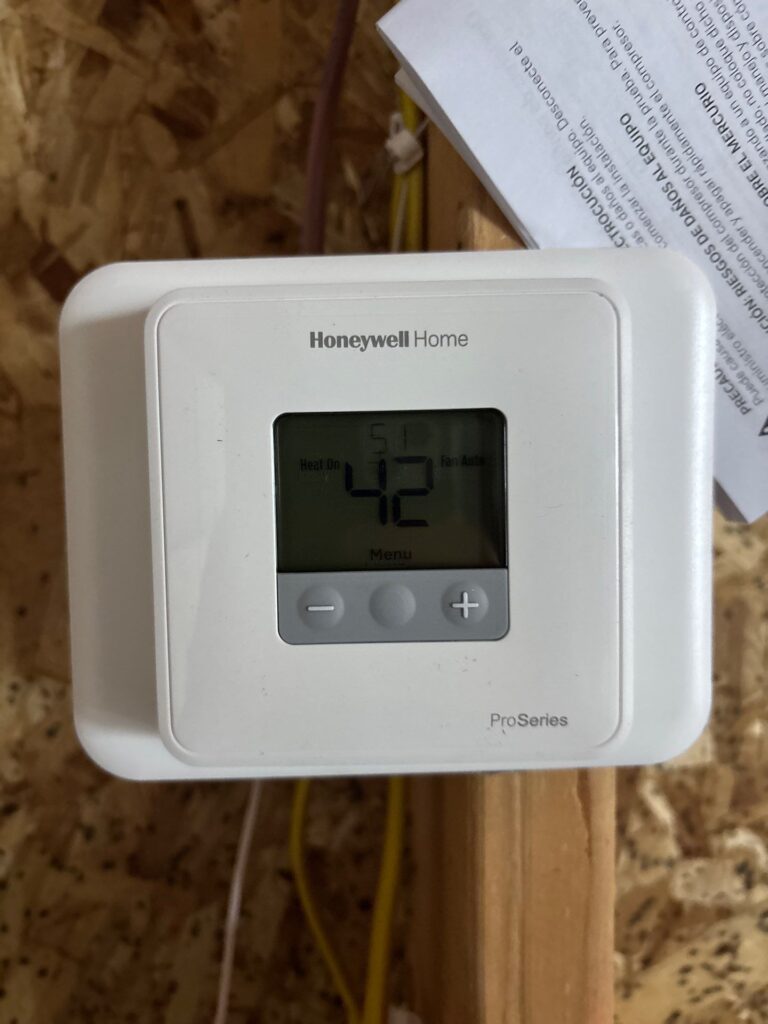
Thermostat settings directly influence how well your air conditioner manages humidity throughout your home. Setting the fan mode to “auto” rather than “on” allows moisture collected on the evaporator coil to drain away properly between cooling cycles. Running the fan continuously can actually blow that collected moisture back into your living space, raising humidity levels instead of lowering them. Programmable and smart thermostats help maintain consistent temperatures that support proper humidity control, rather than allowing dramatic swings that stress the system. Some modern thermostats include dedicated humidity control features that prioritize moisture removal during humid conditions. These advanced controls make a measurable difference in summer comfort.
Temperature setpoints affect humidity removal more than most homeowners realize. Setting your thermostat too low, such as 68 degrees during a humid day, can actually reduce humidity control because the system meets the temperature demand before addressing moisture adequately. A setpoint of 74 to 76 degrees often produces better overall comfort because the longer run cycles allow more time for moisture removal. Consistent temperatures throughout the day work better than raising settings dramatically when you leave the house. Small adjustments of two to three degrees produce the best balance between energy savings and comfort. Your air conditioner needs consistent operation to manage humidity effectively.
Two-stage and variable-speed air conditioners offer superior humidity control compared to single-stage units. These advanced systems can run at lower capacities for longer periods, which maximizes moisture removal while using less energy. A variable-speed system might run at 40 percent capacity for hours on a mild humid day, pulling moisture steadily without overcooling the space. Single-stage systems only offer full-power operation, meaning they cycle on and off more frequently and leave humidity problems unresolved. Upgrading to modern variable-speed equipment often solves chronic humidity issues in older homes. Want a new air conditioning system? Click here for our air conditioning installation service.
Air Conditioner Maintenance That Improves Humidity Control
Annual professional maintenance keeps your air conditioner performing at peak humidity removal capacity throughout the cooling season. NATE-certified technicians check refrigerant levels, clean evaporator coils, test condensate drains, and inspect electrical components during a thorough tune-up. These tasks directly affect how well your system removes moisture from indoor air, not just how cold the air feels. Professional cleaning of the evaporator coil removes dirt and biological growth that reduces heat transfer and moisture absorption. Checking condensate drain lines prevents backups that can flood pans and shut down systems during the hottest, most humid days of summer.
Filter changes represent the simplest yet most impactful maintenance task for humidity control. A clogged filter restricts airflow across the evaporator coil, reducing the system’s ability to absorb both heat and moisture from passing air. Most homes need filter changes every one to three months during heavy cooling seasons, depending on filter type and household conditions. Pet owners, families with allergies, or homes near construction areas may need more frequent changes. Using the correct filter size and efficiency rating matters as much as changing it regularly. Very high-efficiency filters can actually restrict airflow in some systems, reducing humidity removal.
Ductwork inspection and sealing play critical roles in humidity management that many homeowners never consider. Leaky ducts pull humid air from attics, crawl spaces, or wall cavities into your cooling system, creating additional moisture your air conditioner must remove. This unwanted humidity increases run times, energy costs, and wear on equipment components. Professional duct sealing and insulation prevents these losses while improving overall system efficiency. In homes with older ductwork, addressing these hidden problems often produces dramatic comfort improvements without replacing the cooling equipment itself. Regular inspection catches small problems before they grow into major comfort issues.

Daily Habits That Reduce Humidity Load on Your Air Conditioner
Cooking, showering, and laundry generate substantial moisture that your air conditioner must remove from indoor air. Running bathroom exhaust fans during and after showers pulls humid air directly outside before it spreads through your home. Kitchen range hoods that vent outdoors remove cooking moisture along with smoke and odors, reducing the load on your cooling system. Drying clothes outdoors or ensuring dryer vents properly exhaust outside prevents significant moisture from entering your living space. These simple habits can reduce indoor humidity by 10 to 15 percent during peak summer months. Every gallon of moisture your exhaust fans remove saves energy your air conditioner would have used.
Opening windows during humid weather defeats your air conditioner’s dehumidification work instantly. Even on cool Idaho Falls summer mornings, outdoor humidity levels often exceed ideal indoor targets, meaning fresh air brings moisture problems along with cooler temperatures. Keeping windows closed during humid days allows your cooling system to maintain proper moisture control throughout your home. Using ceiling fans creates air movement that improves comfort without adding humidity, allowing you to raise the thermostat a few degrees while feeling equally cool. This combination approach maximizes comfort while minimizing both humidity problems and energy costs.
Indoor plants, aquariums, and firewood storage add surprising amounts of moisture to indoor air. A single large houseplant can release a pint of water daily through transpiration, and multiple plants multiply this moisture load quickly. Aquariums continuously evaporate water into surrounding air, particularly when aerators agitate the surface. Firewood brought inside releases trapped moisture as it dries in warm indoor temperatures. Moving these moisture sources to less sensitive areas or addressing them seasonally helps your air conditioner maintain better humidity control. Small adjustments across multiple moisture sources produce noticeable improvements in overall indoor comfort.
Why You Need Professional Help With Humidity and Air Conditioner Problems
Humidity problems rarely solve themselves, and many homeowners try several approaches before realizing they need professional help. Persistent moisture issues indicate underlying problems with equipment sizing, maintenance, or home construction that require expert diagnosis. The technicians at Minuteman Electric & HVAC understand how Idaho Falls climate conditions affect cooling systems throughout the year. Professional evaluation often reveals simple solutions that produce dramatic improvements in comfort and energy costs. Addressing humidity problems early prevents expensive damage to your home and HVAC equipment.
Professional Humidity Assessment for Your Air Conditioner
A thorough humidity assessment examines both your air conditioner and your home to identify the root cause of comfort problems. Professional technicians use specialized tools to measure humidity levels in different rooms, test airflow at supply and return vents, and evaluate the performance of your cooling equipment. This comprehensive approach identifies problems that simple visual inspection might miss. Load calculations determine whether your current equipment matches your home’s actual cooling and dehumidification needs. Equipment that seemed adequate when installed might no longer match your needs after home renovations, family changes, or natural wear on the system.
Diagnostic testing reveals specific issues affecting your air conditioner’s humidity performance. Technicians check refrigerant charge levels, which directly affect the system’s ability to cool and dehumidify efficiently. Coil temperature measurements indicate whether the evaporator is cold enough to condense moisture effectively from passing air. Airflow testing confirms that air moves through the system at the correct speed for proper dehumidification. These technical measurements provide objective data about system performance rather than relying on comfort perceptions alone. Accurate diagnosis leads to targeted solutions that actually solve humidity problems.
Home evaluation often reveals moisture sources and air leakage points that affect your cooling system’s performance. Professional assessments can identify duct leaks, inadequate insulation, and ventilation problems that increase humidity loads beyond what your equipment should handle. Addressing these issues alongside HVAC improvements produces dramatically better results than focusing only on equipment changes. The comprehensive approach saves money long-term by solving root causes rather than treating symptoms repeatedly. Need air conditioning repair? Click here for our air conditioning repair service.
When Air Conditioner Replacement Solves Humidity Problems
Older air conditioners often struggle with humidity control in ways newer systems handle easily. Equipment 12 to 15 years old typically operates at reduced efficiency, uses outdated single-stage technology, and may be improperly sized for current home conditions. Replacement with modern variable-speed equipment transforms both comfort and energy costs, particularly for homes with chronic humidity problems. The upfront investment pays back through lower utility bills, improved comfort, and reduced repair costs over the system’s lifespan. Professional evaluation determines whether replacement makes sense for your specific situation.
Properly sized replacement equipment matches your home’s actual needs based on detailed load calculations. Rules of thumb or simple square footage estimates often produce oversized systems that create humidity problems despite their cooling power. Professional Manual J calculations consider insulation levels, window efficiency, occupancy patterns, and local climate data to specify equipment that performs optimally for your home. This precise sizing produces better humidity control, lower energy costs, and longer equipment lifespan. Modern variable-speed systems provide additional flexibility that traditional single-stage equipment cannot match.
Advanced features in modern air conditioners address humidity challenges that older equipment never handled well. Variable-speed compressors and blowers adjust output to match conditions precisely, running longer at lower capacities for superior moisture removal. Smart thermostats and communicating systems coordinate temperature and humidity control automatically. Higher SEER ratings mean better energy efficiency during the extended run times needed for proper dehumidification. These technological improvements solve humidity problems while reducing operating costs, making replacement an attractive option for homeowners frustrated with chronic comfort issues.
Why Choose Minuteman Electric & HVAC for Your Air Conditioner Humidity Problems
Minuteman Electric & HVAC brings 45 plus years of combined HVAC experience to every cooling system problem we diagnose and repair. Our NATE and EPA certified technicians understand exactly how Idaho Falls climate affects air conditioner performance throughout the year. We serve Idaho Falls, Rexburg, Rigby, Ammon, Shelley, Ucon, Victor, Driggs, Swan Valley, and surrounding communities with honest evaluations and quality workmanship. Our Reader’s Choice Award-winning service reflects our commitment to every customer we serve. Jarrod and Ted Mount lead a team that treats your home with the same care we would give our own.
Straightforward pricing and free estimates make working with Minuteman Electric & HVAC stress-free from the first phone call. We explain problems clearly, present repair options honestly, and help you understand what your system needs without high-pressure sales tactics. Financing options make larger repairs or system replacements manageable for any budget. Our technicians arrive on time, respect your home, and clean up completely before leaving. We stand behind every repair and installation with guarantees that protect your investment.
Quality service depends on ongoing customer relationships, not one-time transactions. Our team remembers your system, tracks maintenance history, and provides personalized recommendations based on your home’s specific needs. Regular customers receive priority scheduling during peak seasons when comfort problems matter most. Call (208) 520-7885 or email solutions@minutemanservicesid.com to schedule an evaluation of your air conditioner’s humidity performance. Our team is ready to solve your cooling comfort problems with honest service and expert technical knowledge.