
Signs Your Furnace Needs to Be Repaired Before It Fails
The long, intense winters in Idaho Falls mean your furnace is not just a comfort provider; it is a critical piece of safety equipment. When temperatures plummet below freezing, a furnace failure is not merely inconvenient; it is an emergency that can lead to freezing pipes and potentially dangerous living conditions. Most furnaces do not fail without warning. Like any complex machine, they exhibit signs of wear, stress, and impending malfunction long before they completely shut down.
Ignoring these subtle warnings is the most common reason for emergency, middle-of-the-night service calls. Homeowners often assume that as long as the house is warm, everything is fine. However, a furnace can be operating and still be on the verge of breakdown, often in a way that is highly inefficient or even dangerous. Learning to recognize the early indicators that your furnace needs attention is the key to preventing a complete system failure, saving money on utility bills, and avoiding the scramble for emergency service during the coldest part of the year.
Catching these issues early allows Minuteman Electric & HVAC to perform a calculated, timely repair rather than an expensive, rushed replacement. It is about moving from reactive crisis management to proactive system maintenance. Paying attention to your furnace’s performance, sounds, and smells is the best defense against a winter heating catastrophe.
Unusual Noises and Sounds
Your furnace should run smoothly and quietly. While you will always hear the distinct sound of the blower motor starting and stopping, any new, strange, or persistent noise is a definite sign of mechanical distress. These sounds are not just irritating; they are the audio cues of parts failing inside the unit.
One of the most common warning sounds is a persistent, high pitched squealing or screeching sound. This is nearly always an indication of a problem with the furnace’s blower motor belt. Older, belt driven furnaces often develop stretched, worn, or misaligned belts. The squeal is the sound of the belt slipping on the pulley. If the belt breaks entirely, the blower motor stops turning, and the furnace will fail to distribute heat, leaving your home cold. Alternatively, that high pitched noise could be a failing or dry blower motor bearing that needs lubrication or replacement. Ignoring this sound will inevitably lead to a motor burnout.
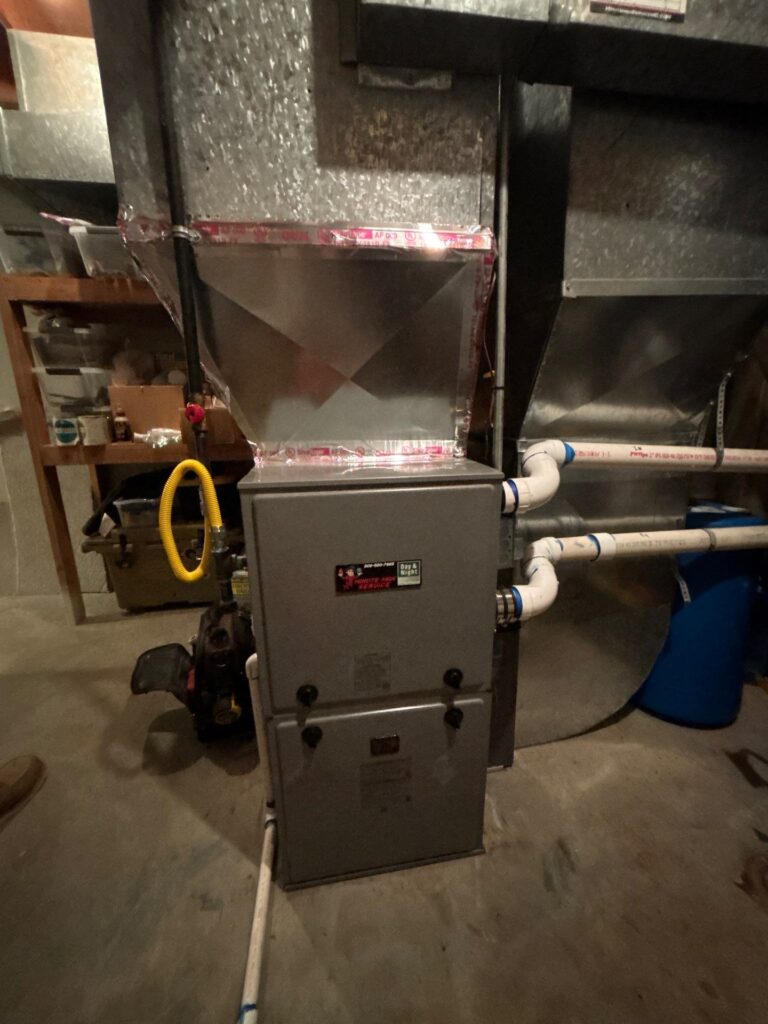
Another critical sound is a rattling or banging when the furnace starts up. Rattling is often caused by a loose panel on the furnace cabinet or, more seriously, a loose component inside the blower compartment. Banging or “thumping” noises that occur immediately after the burner ignites, known as delayed ignition, can indicate a buildup of gas. When the burner finally ignites the accumulated gas, the resulting small explosion causes a loud bang. This issue is extremely dangerous and can damage the heat exchanger, a crucial component that separates combustion fumes from your breathable air. Any banging sound must be addressed immediately by a licensed professional.
Changes in Heating Performance
The most important job of your furnace is to heat your home consistently and efficiently. When you notice a decline in the system’s ability to perform this function, it is a clear call for service. The changes in performance are often subtle at first but indicate major underlying mechanical or airflow issues.
A furnace that is constantly cycling on and off is short cycling, one of the most common signs of an impending failure. This means the furnace turns on, runs for a brief period, and then shuts off, often without running long enough to adequately heat the house. Short cycling can be caused by a thermostat malfunction, but it is often due to an overheated furnace. If the heat exchanger or blower motor is overheating, a safety limit switch automatically cuts the power. The overheating can be caused by a severely clogged air filter, restricted airflow, or a faulty component like a weak capacitor. This repeated stress quickly wears out the motor and the ignitor, guaranteeing an eventual breakdown.
Need a furnace replacement? Click here for our furnace installation service.
Conversely, a furnace that runs non stop without ever reaching the set temperature also signals a problem. This means the system is struggling to produce or distribute enough heat. The underlying cause could be a gas flow problem preventing proper combustion, an issue with the heat exchanger, or a major duct leak dumping warm air into the attic. A persistent, long running furnace is not only inefficient but also places extreme wear on the motor and burner assembly.
Finally, a noticeable lack of warm air coming from the vents is a common complaint. The air may feel cool or lukewarm, even if the furnace is running. This loss of heating capacity is often due to a malfunctioning burner or an issue with the gas supply, meaning the furnace is literally not generating enough heat to meet the needs of an Idaho winter.
Visible Electrical and Ignition Issues
The ignition and electrical components of a furnace are complex and essential for safe operation. Problems in this area are easy to spot and demand immediate professional attention, as they often involve failure points that lead to dangerous situations.
If you have a modern furnace with an electronic ignition, you may notice that the furnace takes several tries to light. If you hear a click, followed by the sound of the gas coming on, but then hear another click and the sound of gas shutting off before the burner ignites, the system is struggling. This often indicates a faulty ignitor (the heating element that lights the gas) or a problem with the flame sensor. The flame sensor is a critical safety device that proves to the control board that a flame is present. If the sensor is dirty or failing, the furnace shuts off the gas to prevent a dangerous buildup, which is a key cause of short cycling and incomplete combustion.
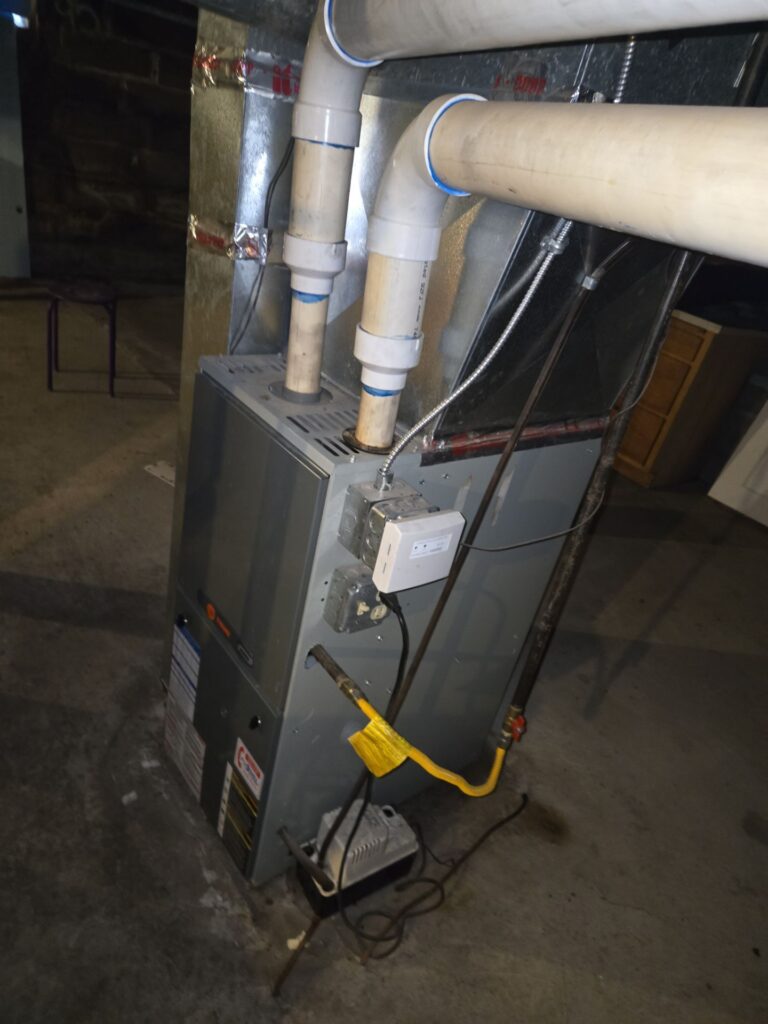
You should also look for visual signs of electrical trouble near the furnace cabinet. If you see scorch marks, melted wire insulation, or small, blackened areas on the cabinet or near the thermostat wiring, it signals a serious electrical short or arcing. Electrical shorts can destroy the furnace’s expensive control board and are a potential fire hazard. If you notice the circuit breaker for your furnace is tripping frequently, this is also an electrical warning that your furnace is overloaded or has a short circuit. Never ignore a frequently tripping breaker.
Mysterious Smells from the Vents
While your furnace can occasionally produce temporary, minor odors, certain persistent smells are undeniable signs of a serious problem that requires immediate service.
A sulfur or rotten egg smell is the most dangerous warning sign of all. This indicates a natural gas leak. The utility company adds this odorant to the naturally odorless gas for safety purposes. If you detect this smell near the furnace, the gas line, or anywhere in your home, you must immediately evacuate the premises, call the gas company from a safe location, and then contact Minuteman Electric & HVAC. Do not flip any light switches or operate any appliances, as a spark could trigger an explosion.
Want to know what filter to choose for your HVAC? Click here for more information.
A persistent dusty or burning smell that lasts for more than a day or two after the furnace is first started for the season is also a concern. While a small amount of dust burning off the heat exchanger in the fall is normal, a continuous burning smell indicates overheating. This could be caused by severely restricted airflow or a failing electrical component that is actually melting or burning. This requires professional inspection to locate the source of the heat and prevent a fire.
Finally, a chemical or oil smell can be alarming. For oil furnaces, it can signal a leak in the oil tank or line. For any furnace, a metallic or chemical smell often signals a failing electrical component, a melted plastic housing, or, in the worst case, a failing heat exchanger that is allowing combustion fumes to mix with the breathable air.
Rising Utility Bills and Age
While not a mechanical failure, an inexplicable spike in your heating bills despite no change in usage or temperature outside is a powerful sign that your furnace is failing or severely struggling. As components wear out—the burners get dirty, the heat exchanger fouls, or the blower motor slows—the efficiency of the furnace drops drastically. The system must run longer and harder to achieve the same amount of heat, costing you more money every month.
This loss of efficiency means the furnace is no longer functioning at its rated Annual Fuel Utilization Efficiency (AFUE). A dirty or faulty furnace can easily drop 10 to 15 percent in efficiency, turning the cost of a professional tune up into immediate savings. This efficiency drop is often a precursor to a major component failure.
Finally, the age of your furnace is the ultimate predictor of failure. The average lifespan of a furnace is 15 to 20 years. Once a furnace passes the 15 year mark, the risk of a major component failure—like the heat exchanger, blower motor, or control board—rises sharply. If your Idaho Falls home has a furnace older than 15 years and it is exhibiting any of the signs above, it is time to have a Minuteman Electric & HVAC technician not only perform a repair diagnostic but also discuss the cost benefit of replacement. Often, replacing a very old, inefficient furnace with a high efficiency model saves enough in utility costs to quickly offset the replacement price.
Your furnace provides subtle but consistent warnings before it completely fails. The key to uninterrupted warmth and safety in the Idaho winter is paying attention to these cues—the unexpected bangs, the persistent screeching, the short cycling, and the telltale odors. Ignoring a squealing belt can lead to a motor burnout; ignoring a banging ignition can lead to a cracked heat exchanger and a carbon monoxide hazard. By recognizing these signs and calling a licensed Minuteman Electric & HVAC professional at the first warning, you convert a potential winter crisis into a simple, scheduled repair. Do not wait for the freezing emergency; schedule a diagnostic today to ensure your furnace is safe, reliable, and efficient all season long.