
Top 3 Signs of a Failing Circuit
Every Idaho Falls home relies on a complex network of electrical circuits to power daily life. From the lights in the kitchen to the furnace running in the basement, each circuit is an unseen pathway channeling electricity safely from your breaker panel to its intended destination. When these pathways are functioning correctly, they are invisible. When a circuit begins to fail, however, it becomes highly noticeable, creating interruptions, hazards, and unnecessary stress on your electrical system.
A failing circuit is not just a nuisance; it is a serious electrical safety issue. Most circuits fail not from a sudden, catastrophic event, but from a gradual deterioration caused by aging wiring, overloaded conditions, or loose connections. Recognizing the early indicators of a circuit failure is essential for homeowners, as it allows for prompt, professional intervention by a licensed electrician. Ignoring these warning signs can lead to damaged appliances, constant power disruptions, and, most critically, an electrical fire.
The most common issues of a failing circuit are often grouped into three categories: audible, visual, and performance issues. Understanding these specific indicators empowers you to identify a problem quickly and call Minuteman Electric & HVAC before a partial failure escalates into a complete safety hazard.
Frequent Breaker Trips and Overloading
The circuit breaker is the designated fail-safe for your home’s electrical circuits. It is engineered to automatically shut off the flow of electricity when it detects an overload or a short circuit. While a single, occasional trip can happen (perhaps due to plugging in too many holiday lights), a breaker that trips frequently is the number one indicator that a circuit is chronically overloaded or has a persistent fault.

A chronically tripping breaker should be viewed as a definitive warning. It signifies that the circuit is drawing more amperage than its wiring can safely handle. In many Idaho Falls homes, especially those built several decades ago, circuits were designed for far lower electrical demands. When a homeowner plugs modern high-draw appliances—like a space heater, a high-end coffee maker, or a powerful vacuum—into an old circuit, the breaker trips because the wire temperature is exceeding the safe limit. The breaker is doing its job; it is preventing the wire insulation inside your walls from overheating, melting, and igniting the surrounding wood structure.
If you find yourself frequently resetting the same breaker, do not simply try to ignore it or, worse, attempt to replace the breaker with a higher amperage one. Replacing a 15-amp breaker with a 20-amp breaker without upgrading the wiring is an extremely dangerous practice that defeats the safety mechanism and is a direct precursor to an electrical fire. The proper fix is to redistribute the electrical load by moving high-draw devices to a less used circuit, or to have a licensed electrician install a new, dedicated circuit from the panel to the area of high demand. If the breaker trips even when the load is minimal, it points to a serious short circuit or a mechanical failure within the breaker itself, requiring immediate attention.
Recognizing Arcing and Heat Damage
A functioning electrical system should operate in silence. Any audible or visual anomaly coming from your outlets, light switches, or the electrical panel is a definitive warning of a problem, usually a dangerous one called arcing. Arcing occurs when electricity jumps a gap, typically due to a loose or corroded connection. This jumping current generates intense heat, which is a common cause of electrical fires.
One of the most concerning visual issues is discoloration, warmth, or a burning smell coming from an outlet or switch cover. If the plastic faceplate of an outlet is brown, black, or appears slightly melted, it means the connection behind it is overheating due to a severe arc fault. This demands that you stop using the outlet immediately and call an electrician. Similarly, if an outlet feels noticeably warm or hot to the touch when a device is plugged in, it indicates excessive resistance and heat buildup.
Need an electrical inspection? Click here for our electrical inspection service.
Auditory warnings are often the first alert of this internal damage. Listen for any buzzing, crackling, or snapping sounds emanating from a wall socket, light switch, or inside the breaker panel. This buzzing is the sound of electricity arcing or jumping between loose contacts. In the panel, persistent buzzing can signal a loose wire on a breaker terminal or a failing main connection. A snapping sound often accompanies the visual flash of arcing, which may occur when plugging in an appliance or flipping a switch. These sounds are critical electrical alarms that must never be dismissed as normal.
A final, subtle visual warning is flickering or dimming lights on a specific circuit. While an occasional flicker might be normal, consistent or rapid flickering, especially when an appliance on the same circuit turns on, indicates an intermittent loose connection or that the circuit is constantly being stressed to its maximum capacity. The dimming is caused by a momentary drop in voltage as the circuit struggles to deliver power.
Physical Deterioration of Outlets
The final category of failure involves the physical access points to the circuit: the outlets and receptacles themselves. Issues here are usually the result of long term wear and tear or incorrect installation, both of which compromise the safety and functionality of the circuit.
The most common physical problem is a loose or wobbly outlet. If a plug fits loosely, falls out easily, or requires you to hold it in place to maintain a connection, the internal contacts of the receptacle are worn out. These contacts are designed to grip the plug prongs firmly to ensure a strong, low resistance connection. When the grip loosens due to age or frequent use, the poor connection creates resistance, which causes heat and arcing—the same dangerous process that leads to discoloration and buzzing. A loose outlet must be replaced by an electrician to restore a secure connection and eliminate the fire risk.
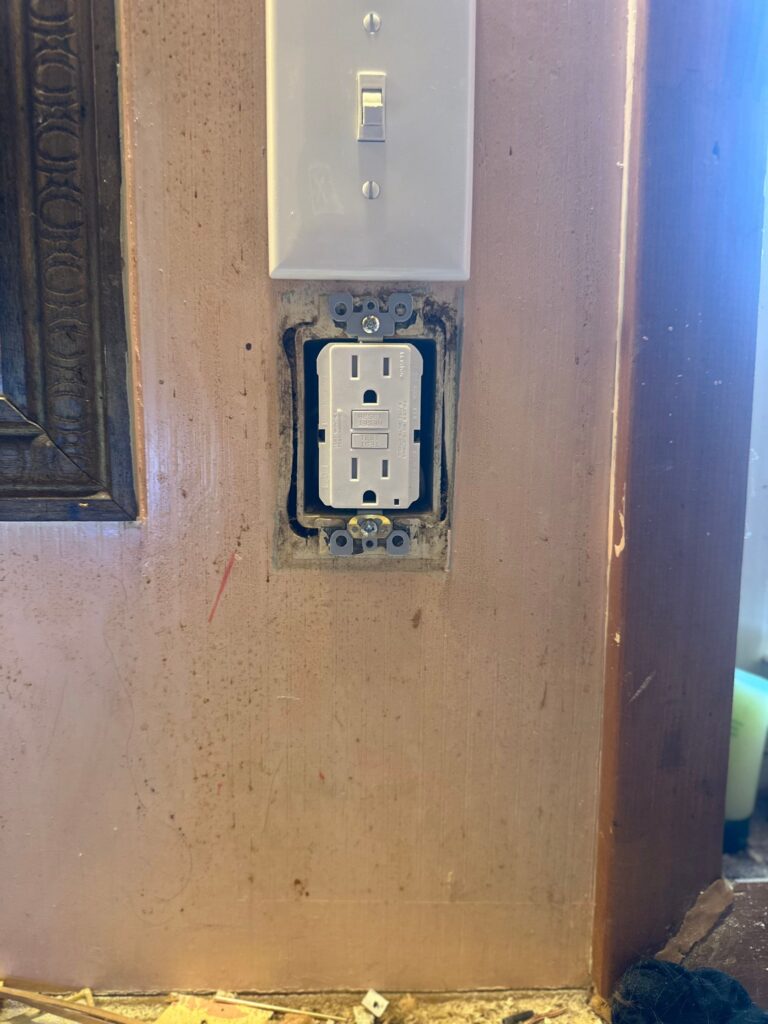
A more dangerous indication of circuit failure is when plugs suddenly feel unusually tight or scorch marks appear on the plug prongs themselves. While a new outlet should feel firm, an old outlet that suddenly makes a plug very difficult to insert or remove may have internal damage or corrosion. Furthermore, if you unplug a device and notice the metal prongs are black, charred, or pitted, this is direct evidence of severe arcing between the plug and the outlet contacts. This charred material is conductive and rapidly increases the risk of a short circuit.
Finally, the failure of safety outlets like GFCI (Ground Fault Circuit Interrupter) receptacles to reset is a clear circuit failure indication. If you press the “Test” button and the GFCI trips, but then fails to reset after pressing the “Reset” button, the GFCI itself is faulty and needs replacement. More concerning is if you press “Test” and the GFCI does not trip; this means the shock protection feature has failed, leaving the outlet (and all downstream outlets) unprotected against dangerous ground faults.
The Importance of Professional Intervention
Diagnosing a failing circuit requires expertise and specific tools. A homeowner can identify the symptoms, but only a licensed electrician can safely diagnose the root cause and implement a code compliant, lasting repair.
Want to know why you should hire a licensed electrician? Click here for more information.
If a breaker is tripping, the Minuteman Electric & HVAC electrician will first perform a precise load calculation to determine the extent of the overload. They will then trace the circuit to find the physical source of the fault, which could be a loose connection in a buried junction box, a faulty appliance, or damaged wiring insulation. Tracing a circuit requires turning off the power, opening walls and junction boxes, and using specialized testing meters.

Ignoring these failure signs is particularly risky in older Idaho Falls homes where the wiring insulation may be brittle, and safety devices like AFCIs and GFCIs may not be present on all circuits. The combination of old wiring under modern electrical stress is a recipe for disaster. Professional service ensures that the repair not only fixes the immediate symptom but also brings the circuit up to current safety standards, often involving the replacement of worn outlets and the installation of modern AFCI/GFCI protection.
A failing electrical circuit is your home’s emergency beacon, signaling that heat, friction, or overload is compromising your safety. The top three issue groups—frequently tripping breakers, the visual and auditory warnings of arcing, and damaged or unresponsive outlets—all point toward the need for immediate, professional electrical service. Do not gamble with the safety of your property or family by attempting DIY fixes or ignoring the warning signs. Contact Minuteman Electric & HVAC at the first indication of a failing circuit. We will diagnose the problem, redistribute the load, replace faulty components, and restore the safe, reliable flow of power to your Idaho Falls home.