
What Is That Burning Smell When You Turn on the Heat?
The first arrival of truly cold weather in Idaho Falls usually prompts a familiar ritual for homeowners: walking over to the thermostat and switching the system from cooling to heating for the first time in months. In many households, this moment is accompanied by a sudden and distinct odor emanating from the vents. For some, it is a faint dusty scent, while for others, it can be a sharp, acrid smell that causes immediate concern. Because our furnaces and heat pumps sit dormant for much of the spring and summer, the internal components become a landing spot for all sorts of household particulates, and the sudden application of heat creates a chemical reaction that is impossible to ignore.
While a minor odor is often a normal part of the seasonal transition, any smell that persists or smells like burning rubber, plastic, or ozone should be treated with high priority. In a climate as harsh as ours, the heating system is a complex machine that relies on high-voltage electricity or the combustion of natural gas. When something starts to smell wrong, it is the system’s way of communicating that a component is under stress or failing. Understanding the difference between a harmless seasonal quirk and a legitimate mechanical emergency can save your home from a fire or a total system breakdown in the middle of a sub-zero night.
Identifying the specific type of burning smell is the first step in diagnosing the health of your HVAC system. Odors can range from simple dust accumulation to melting wire insulation or a seized blower motor. By paying close attention to the nuances of these scents, you can provide vital information to a technician and determine whether you need to shut down the power immediately or simply wait for the system to clear itself out. At Minuteman Electric & HVAC, we believe that an educated homeowner is a safe homeowner, and knowing how to interpret these sensory warnings is a key part of maintaining a reliable home in the high desert.
The Most Common Culprit: Burning Dust
In the majority of cases, the smell that occurs during the very first cycle of the season is simply accumulated dust burning off the heat exchanger or the heating elements. Over the summer months, fine particles of skin cells, pet dander, and general household dust settle on the internal surfaces of the furnace. When the burners ignite for the first time, this layer of debris is instantly incinerated. This usually results in a dry, singed smell that can be quite strong initially but should dissipate within thirty minutes to an hour as the air circulates and the surfaces are cleaned by the heat.
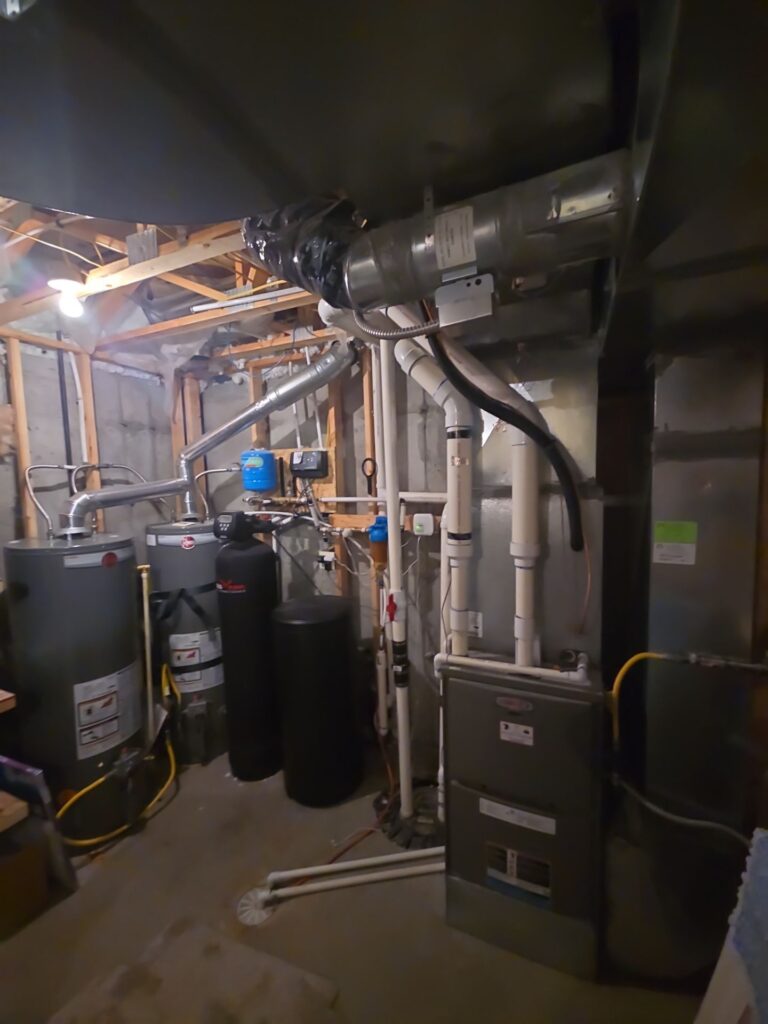
If you find that this dusty smell returns every time the furnace kicks on, or if it lasts for several days, it is a sign that your filtration system is failing. A furnace that is constantly burning dust is a furnace that is not getting clean air. This often happens when the air filter is incorrectly sized, allowing air to bypass the media, or when the filter is so clogged that the vacuum created by the blower motor pulls dust through the fibers. This constant incineration of dust can eventually lead to a buildup of soot on the burners, which reduces efficiency and can eventually lead to a more serious mechanical failure.
To minimize this issue, it is a good idea to change your air filter a few days before you intend to turn the heat on for the season. You can also use a vacuum with a brush attachment to gently clean the area around the return air grilles. If the smell is overwhelming or accompanied by visible smoke, you should turn the system off immediately and call for a professional inspection. While dust is the most common cause, it should never produce actual smoke; if it does, there is likely a larger accumulation of debris or a foreign object inside the cabinet that poses a fire hazard.
Electrical Malfunctions and Melting Plastic
If the odor coming from your vents smells less like dust and more like burning plastic, ozone, or “fried” electronics, you are likely dealing with a serious electrical issue. This is one of the most dangerous smells an HVAC system can produce because it often indicates that wire insulation is melting or an electrical component is arcing. Modern furnaces and heat pumps are filled with complex circuitry and high-voltage connections that must remain perfectly intact to operate safely. When a connection loosens or a component fails, the resulting heat can melt the plastic coatings on the wires, releasing a toxic and pungent chemical smell.
Need a furnace repair? Click here for our furnace repair service.
One frequent source of this plastic smell is a failing capacitor or a transformer. These components are essential for starting the motors and managing the voltage within the system. When they reach the end of their lifespan, they can overheat and leak internal fluids that smell like hot chemicals or fish. Another possibility is a loose wire at the terminal block. In the Idaho Falls area, the vibration of the system combined with the extreme temperature shifts of winter can cause electrical screws to back out over time. A loose wire creates high resistance, which generates intense heat at that specific point, melting the nearby plastic and creating a significant fire risk.
If you detect an electrical burning smell, you should not wait to see if it goes away. Electrical faults do not fix themselves; they only escalate until a fuse blows, a breaker trips, or a fire starts. Turn off the furnace at the thermostat and, if possible, flip the dedicated breaker in your main electrical panel. A professional technician from Minuteman Electric & HVAC will use a multi-meter and thermal imaging to find the exact point of the failure. Addressing an electrical smell early can prevent the destruction of expensive control boards and ensure that your home’s electrical system remains stable throughout the heating season.
Seized Blower Motors and Friction
A smell that resembles burning rubber or hot metal often points toward a mechanical failure in the blower motor or the fan assembly. The blower motor is the heart of your HVAC system, responsible for pushing the heated air through the ductwork and into your rooms. Like any motor, it uses bearings to allow the shaft to spin freely at high speeds. Over time, the lubrication in these bearings can dry out or become contaminated with grit. When the bearings begin to fail, the friction creates intense heat, which can smell like hot metal or burning oil.
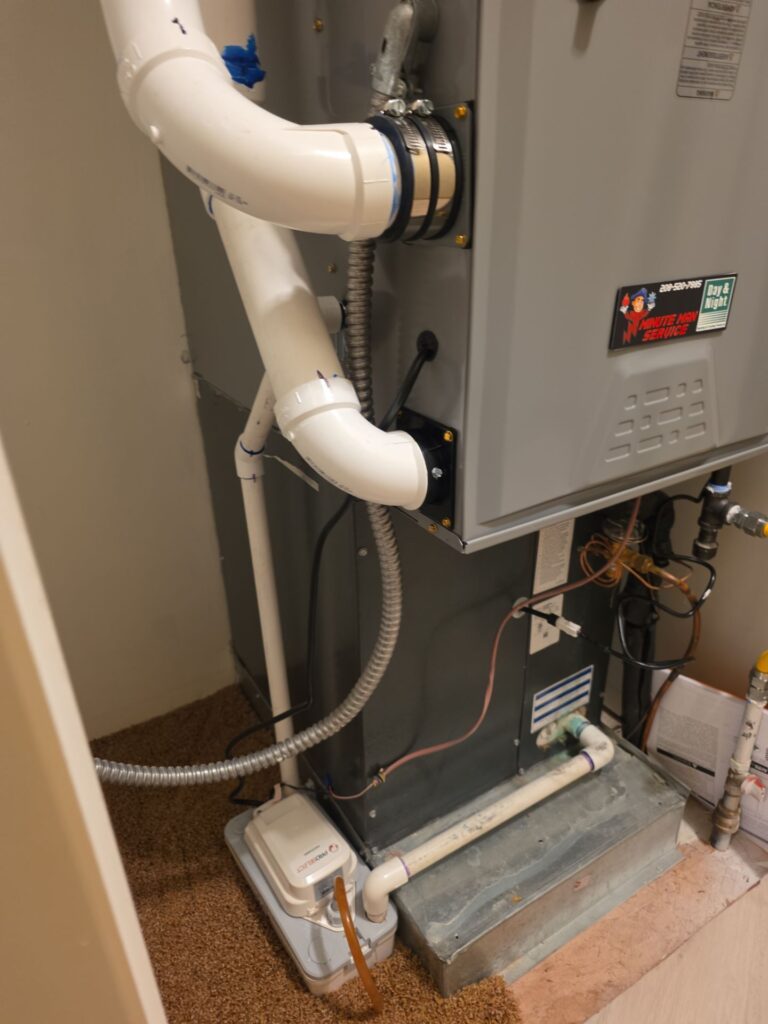
In older belt-driven systems, a burning rubber smell is a classic sign of a slipping or damaged fan belt. As the belt wears down, it loses its grip on the pulley, causing it to slide and generate friction heat that smells exactly like a car’s tires spinning on pavement. If the belt snaps, the motor will continue to run but no air will move, which can quickly lead to the furnace overheating. In more modern direct-drive motors, the rubber smell might come from the rubber isolation mounts that have degraded, allowing the motor to vibrate against the metal housing until the friction creates heat.
A seized or struggling motor is a major energy drain and a precursor to a total system shutdown. If you hear a high-pitched squealing or a heavy humming sound accompanied by a burning smell, the motor is likely stalled and drawing excessive amperage. This is a critical situation because the motor can become hot enough to ignite nearby dust or damage the internal wiring of the furnace. A technician will need to assess whether the motor can be lubricated and saved or if the bearings have suffered enough damage to require a full motor replacement.
Overheating and the Limit Switch
When a furnace cannot move enough air to keep itself cool, it enters a state of overheating. This is often caused by something as simple as a severely clogged air filter or too many closed supply vents throughout the house. When the heat exchanger reaches a temperature that exceeds its safety parameters, you may smell a “hot” metallic scent that feels like the air itself is scorched. This is different from the dusty smell of the first run; it is a persistent, heavy heat smell that indicates the system is working at its absolute thermal limit.
Want to know how to choose the right filter for your system? Click here for more information.
Your furnace is equipped with a safety device called a limit switch, which is designed to shut off the burners if the internal temperature gets too high. However, if the system is constantly hitting that limit and then restarting—a process known as short cycling—it places immense stress on the heat exchanger. The smell you are detecting is the metal of the heat exchanger expanding and contracting under extreme stress. If this continues, the metal can eventually crack, which is a catastrophic failure that can allow carbon monoxide to enter your home’s air supply.
If your vents are blowing exceptionally hot air and you can smell the system “cooking,” you must check your airflow immediately. Ensure that the filter is clean and that at least eighty percent of the registers in your home are fully open. If the airflow seems fine but the hot smell remains, there may be an internal blockage or a failure in the gas valve that is causing the burners to run too hot. Professional calibration and a static pressure test can determine why the system is overheating and prevent the permanent damage associated with a cracked heat exchanger.
Dampness and the “Dirty Sock” Syndrome
While not strictly a “burning” smell, many homeowners report a musty, pungent odor when the heat kicks on that can be mistaken for something smoldering. This is often referred to in the HVAC industry as dirty sock syndrome. It is caused by the buildup of bacteria and mold on the evaporator coils or inside the dark, damp crevices of the furnace cabinet. When the heat is turned on, the warming of these biological colonies releases a foul, earthy smell that can be incredibly persistent.
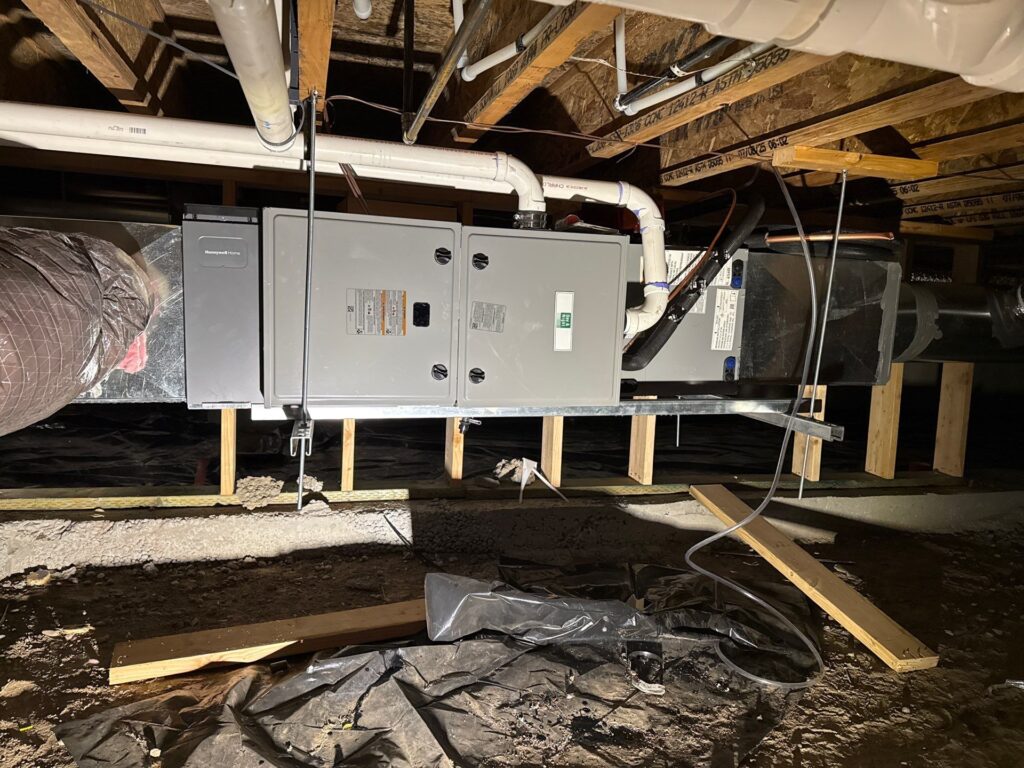
This issue is more common in heat pump systems but can occur in traditional gas furnaces if the condensate drainage system is backed up. If water from the air conditioning season has been sitting in the drain pan, it can create a stagnant pool where microbes flourish. As the furnace heats up, it essentially “cooks” this stagnant water and bacteria, sending the odor through the entire house. While not usually a fire hazard, it is a significant indoor air quality concern that can lead to respiratory irritation and an unpleasant living environment.
Cleaning the coils with a specialized antimicrobial solution and ensuring the condensate lines are clear is the only way to eliminate this smell. Simply running the heat will not kill the bacteria; in fact, the warmth often encourages more growth once the system cycles back to a cooler state. A professional maintenance visit includes a thorough cleaning of these hidden areas, ensuring that your winter air is fresh and free of biological contaminants. Addressing this early in the season prevents the odor from becoming embedded in your carpets and furniture.
A burning smell from your vents is a sensory alarm that should never be ignored. Whether it is the harmless incineration of summer dust or the dangerous melting of electrical insulation, your HVAC system is using scent to tell you about its internal condition. For Idaho Falls residents, where the heating system is a critical lifeline during the winter months, taking these smells seriously is a vital part of home safety. By identifying the specific characteristics of the odor—be it dusty, plastic, rubbery, or musty—you can take the appropriate action to protect your equipment and your family. If a smell persists for more than an hour or if it smells like electrical components or chemicals, turn off your system and contact the experts at Minuteman Electric & HVAC. We have the diagnostic tools and experience to find the source of the heat and ensure your furnace is ready to provide safe, reliable warmth all winter long.