
Why Old Wiring Is More Dangerous in Freezing Temperatures
The electrical infrastructure of a home is often the most neglected component until something goes wrong. In Idaho Falls, where winters are characterized by relentless freezing temperatures and heavy snow, the demands placed on these systems are significantly higher than in more moderate climates. For homeowners living in older properties, the combination of aged wiring and extreme cold creates a unique set of hazards that go far beyond simple power outages.
While the visible parts of a home are maintained and updated, the wiring hidden behind the drywall often remains original to the house. In a modern context, we are asking this old infrastructure to perform tasks it was never designed for, such as powering high-wattage space heaters and sophisticated HVAC systems during sustained cold snaps. The danger arises when the physical properties of old materials meet the harsh realities of sub-zero temperatures, leading to a breakdown in safety that can put the entire property at risk.
Understanding the relationship between temperature and electrical integrity is vital for maintaining a safe home. When the mercury drops, the risk of electrical fires, equipment failure, and localized short circuits increases dramatically. This makes it essential to evaluate how historical wiring methods react to the environmental stressors of an Idaho winter and why professional intervention is the only way to ensure the system remains reliable when you need it most.
Physical Degradation of Insulation Materials
The primary line of defense in any electrical system is the insulation surrounding the copper or aluminum conductors. In older homes, this insulation was often made of materials that do not age well, such as rubber, cloth, or early-generation plastics. These materials are prone to becoming brittle over time as they lose their chemical flexibility. When freezing temperatures set in, the thermal contraction of the wires and the insulation can cause this brittle material to crack, flake, or crumble away entirely.
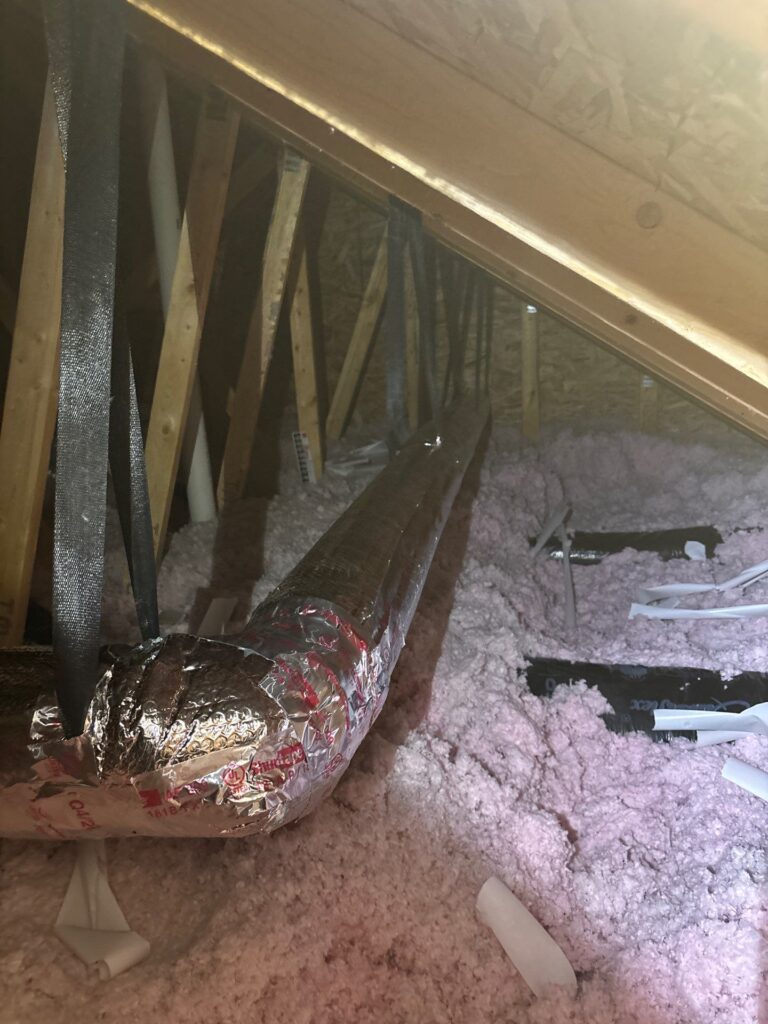
Once the insulation is compromised, the live conductive metal is exposed to the air and potentially to the structural elements of the home. In the attic or crawlspaces where temperatures mirror the outdoor environment, this degradation is accelerated. Exposed wires can lead to arcing, where electricity jumps across a gap, creating intense heat that can ignite nearby insulation or wooden framing. Unlike modern PVC insulation, which is designed to remain flexible in a wide range of temperatures, the cloth and rubber used decades ago simply cannot withstand the repeated expansion and contraction cycles of a harsh winter.
Furthermore, the presence of moisture can exacerbate these insulation failures. During winter, condensation can form in unconditioned spaces as warm air from the living area meets cold surfaces. If this moisture comes into contact with wires that have cracked or missing insulation, it creates a path for a short circuit. This not only causes the circuit to fail but also significantly increases the risk of a fire that may smolder undetected inside a wall for hours before being noticed by the occupants.
Increased Electrical Demand and Overheating
Winter is the time of year when residential power consumption reaches its peak. In Idaho Falls, homeowners frequently supplement their primary heating systems with portable electric heaters, electric blankets, and additional indoor lighting. Old wiring was typically designed for a household that used a fraction of the electricity we consume today. A circuit from the 1950s might have been intended to power a single lamp and a radio, but it is now being asked to handle a 1,500-watt space heater and a high-end computer system simultaneously.
Need your home wiring repaired? Click here for our electrical wiring service.
When a wire carries more current than it is rated for, it generates heat through resistance. In old wiring systems, the gauge of the wire is often too small for modern loads, meaning the wire stays hot as long as the appliance is running. While the outdoor air is cold, the wires buried deep within wall insulation can reach dangerous temperatures. This heat further degrades the already fragile insulation and can eventually reach a point where it melts the material or ignites dust and debris within the wall cavity.
Many old systems also lack the modern safety features that protect against this kind of overloading. Modern homes use arc-fault circuit interrupters (AFCIs) that can detect the specific signature of a wire getting too hot or arcing behind a wall. Older breaker panels or fuse boxes do not have this sensitivity. They may only trip when a massive short circuit occurs, which is often too late to prevent a fire from starting. This means the system continues to feed power into an overheating circuit long after it has become a hazard.
The Stress of Thermal Expansion and Contraction
Electrical connections are subject to the laws of physics, specifically thermal expansion. As electricity flows through a wire, the metal warms up and expands slightly. When the power is turned off, the metal cools and contracts. In a stable environment, this is manageable. However, during an Idaho winter, the temperature swings between the heat of the electrical load and the freezing ambient temperature of the house structure are extreme.
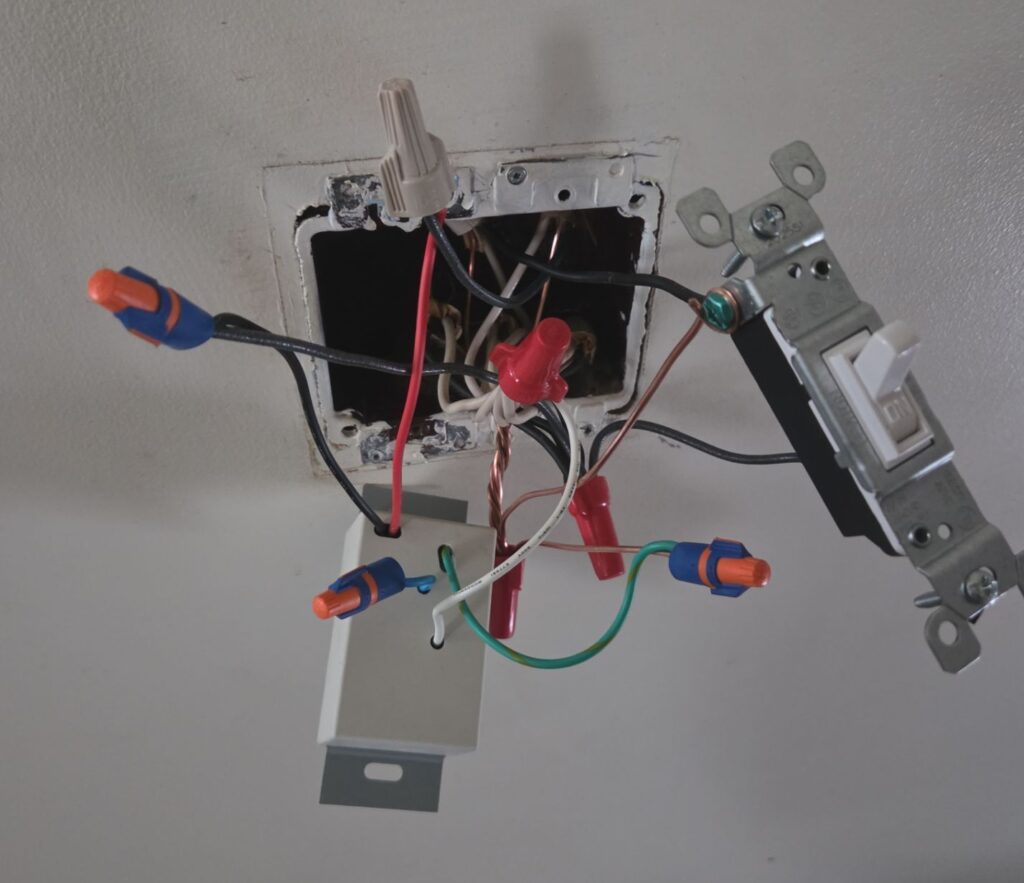
This constant cycling causes connections at outlets, switches, and junction boxes to loosen over time. In older wiring, where technicians often used screw terminals that have already weathered decades of use, these loose connections become points of high resistance. A loose connection acts like a bottleneck for electricity, generating significant heat at that specific point. In freezing weather, the metal contracts more significantly, which can pull a marginal connection just far enough apart to cause a persistent arc.
These loose connections are especially dangerous because they often occur at the very points where the wiring is most accessible to flammable materials. An outlet with a loose wire can melt the plastic housing or ignite the carpet or curtains nearby. Homeowners might notice this as a flickering light or a buzzing sound, but in many cases, there are no outward signs until the heat causes a failure. Professional tightening and inspection of these connection points are essential to ensure the system can handle the mechanical stress of a cold-weather heating season.
Incompatibility with Modern Safety Grounding
One of the most significant risks of old wiring in any season, which becomes more dangerous during winter, is the lack of a dedicated grounding wire. Many older systems, such as knob-and-tube or early two-wire Romex, do not have a path for excess electricity to travel safely back to the panel in the event of a fault. In winter, we are often using more appliances with metal casings, such as heaters or kitchen equipment, which rely on a ground for safety.
Want to know why your outlets are loose and how to fix them? Click here for more information.
Without a proper ground, a short circuit caused by cold-weather insulation failure can energize the metal components of the electrical system or even the appliances themselves. This creates a severe shock hazard for anyone touching a switch or a plugged-in device. In the winter, we also tend to see more static electricity and power surges from the grid due to snow and ice interference with power lines. A grounded system can help dissipate these surges, whereas an ungrounded old system leaves your sensitive electronics and your family vulnerable.
Updating these systems often requires more than just changing an outlet to a three-prong version. Simply installing a three-prong outlet on an old two-wire circuit is a dangerous practice that gives a false sense of security without providing actual ground protection. During an Idaho winter, when the furnace and other critical systems are running at capacity, having a verified, grounded electrical path is the only way to ensure that a minor electrical fault doesn’t turn into a life-threatening shock or fire event.
Corrosion and Moisture Interference
Extreme cold is often accompanied by moisture, whether through snow accumulation or the formation of frost and condensation within the home’s structure. Old electrical components, particularly the steel or aluminum parts used in mid-century panels and junction boxes, are susceptible to corrosion when exposed to this moisture. Corrosion increases electrical resistance, which in turn increases the amount of heat generated at the connection.
In freezing temperatures, the air is often dry, but the localized environment around a cold-water pipe or a poorly insulated exterior wall can be quite damp. If old wiring runs near these areas, the moisture can penetrate the cloth or paper linings used in old cables. This creates a conductive path that leads to leakage current. This current is not always high enough to trip a fuse or a breaker, but it is high enough to cause electrolysis and further corrode the metal, eventually leading to a complete failure of the circuit.
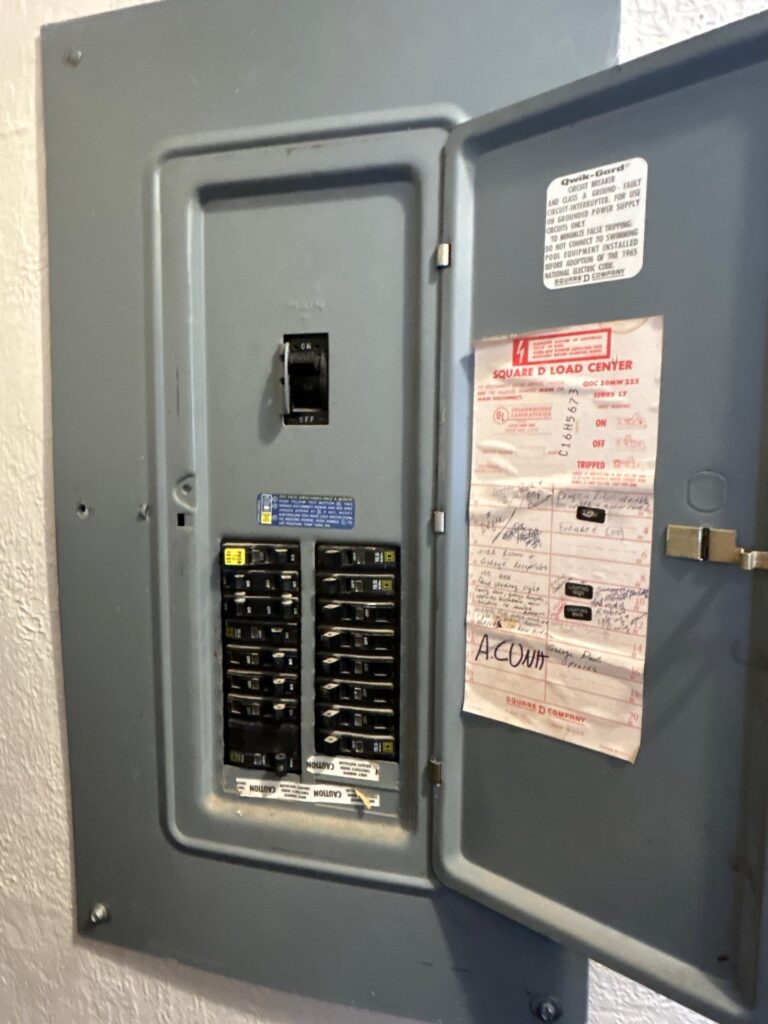
Furthermore, the electrical panel itself can be a victim of winter moisture. If the main service mast on the exterior of the house is not properly sealed, melting snow and ice can travel down the inside of the service cable directly into the interior breaker box. In an old panel, this water can cause the breakers to rust in the on position, meaning they will fail to trip during an overload. This hidden danger is one of the most common reasons why old houses suffer catastrophic electrical fires during the winter months. A professional inspection of the service entrance and the interior panel is the only way to detect and prevent this moisture-driven degradation.
The combination of old wiring and the brutal Idaho Falls winter is a recipe for electrical instability. The physical breakdown of aged insulation, the lack of modern safety grounding, and the mechanical stress of extreme thermal cycling all converge to make older homes significantly more vulnerable during the coldest months of the year. While these systems may have served faithfully for decades, they were not built for the electrical demands of 2026 or the environmental extremes they are currently facing. Ensuring your home is safe requires a proactive approach to electrical maintenance. By identifying these hidden risks and addressing them through professional inspections and targeted upgrades, you can protect your property and your family from the unique dangers that old wiring presents in freezing temperatures. Minuteman Electric & HVAC is dedicated to helping Idaho Falls homeowners navigate these challenges, providing the expertise needed to keep your home warm and your electrical system safe throughout the winter season.