
Does Your Thermostat Need to Be Replaced?
Your thermostat is the command center for your entire home comfort system. While the furnace and air conditioner do the heavy lifting, the thermostat is the small but mighty brain that tells them when to start, when to stop, and at what temperature to maintain your living space. Because it is often small, wall mounted, and seemingly simple, homeowners rarely give the thermostat much thought until the house is either freezing cold or uncomfortably hot.
A malfunctioning or outdated thermostat can be the silent saboteur of your home comfort and energy efficiency. It can cause your expensive furnace to run constantly, your air conditioner to short cycle, and your utility bills to skyrocket. Furthermore, in the age of smart home technology, an older thermostat is a missed opportunity. It prevents you from taking advantage of advanced features that not only save money but also offer superior convenience and control over your environment.
The question of whether your thermostat needs replacement is not always about a catastrophic failure. Often, it is about efficiency, accuracy, and maximizing the performance of your entire HVAC system. For Idaho Falls homeowners dealing with our climate extremes, ensuring the thermostat is modern, accurate, and properly programmed is a critical step in year round home management.
The Clear Signs of Thermostat Failure
While an outdated thermostat may simply be inefficient, certain behaviors are unmistakable signs that the device is actively failing and needs immediate replacement. Ignoring these symptoms can lead to furnace damage or excessive energy waste.
The most obvious sign of failure is inconsistent or inaccurate temperature readings. You may set the thermostat to 70 degrees, but the room feels like 65. You can verify this by placing an accurate thermometer near the wall unit. If the difference between the set point and the actual room temperature is more than a few degrees, the internal sensor of your thermostat is failing. This inaccuracy forces your HVAC system to run longer or cycle improperly, wasting energy and leading to chronic discomfort.
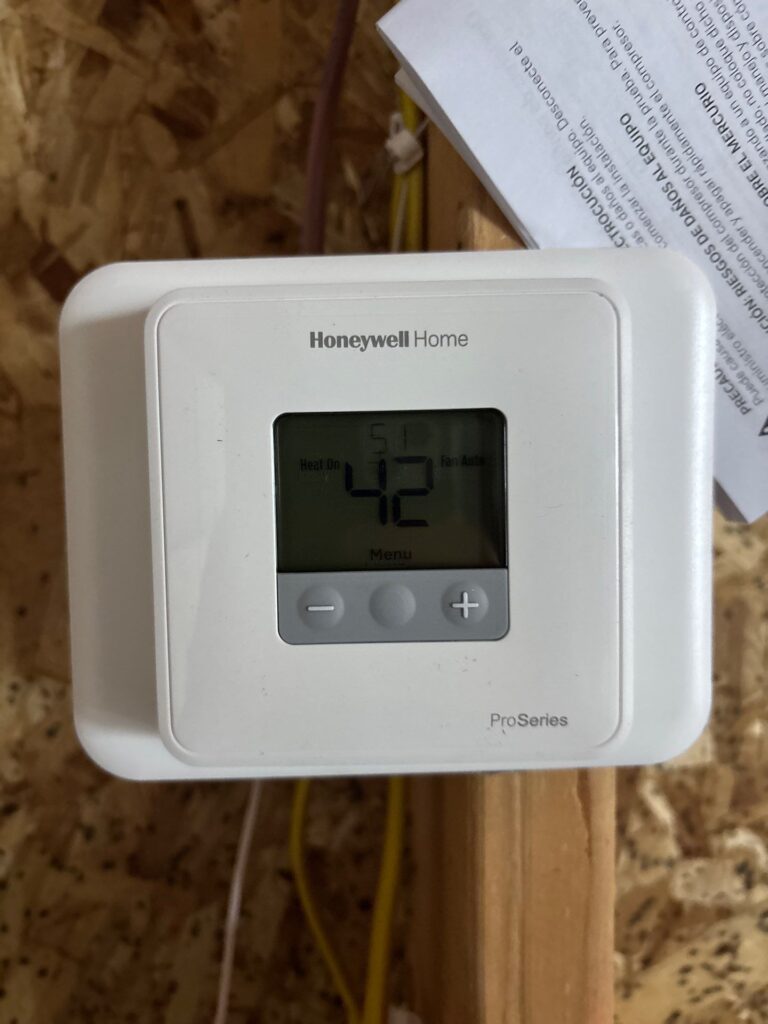
Another common failure symptom is the HVAC system short cycling or running non stop. If the furnace turns on and off every few minutes, or if the air conditioner runs continuously without satisfying the temperature setting, the control wiring or the internal relay switch in the thermostat is likely defective. A failing thermostat can send a constant signal to the furnace to keep running, or it can repeatedly interrupt the signal, causing the expensive equipment to cycle prematurely, dramatically increasing wear and tear on the components.
If your thermostat has no power or frequently loses its display, even after changing batteries, the internal circuitry is failing. This can be caused by age, power surges, or simple component wear. A thermostat that randomly loses power or cannot maintain its display is no longer a reliable command center and must be replaced to prevent an emergency shutdown of your HVAC system.
Outdated Technology: The Efficiency Drain
Many homes in Idaho Falls still operate on older, inefficient thermostats that are perfectly functional but technologically obsolete. The upgrade from an old mechanical or non-programmable digital unit to a modern solution offers immediate returns in energy savings and comfort control.
Older mechanical thermostats, which typically contain a coiled bi-metal strip or a mercury switch, are notoriously inaccurate. The calibration drifts over time, and they react slowly to temperature changes. They also lack the ability to be programmed, meaning the homeowner must manually adjust the temperature every time they leave or go to bed. This leads to wasted energy, as most people forget to adjust the setting, leaving the furnace running high when the house is empty.
Need a thermostat installation? Click here for our thermostat installation service.
Moving up to a basic programmable thermostat is the first major leap in efficiency. These units allow you to create a “setback” schedule—automatically lowering the temperature in the winter or raising it in the summer during predictable periods when the house is empty or when occupants are sleeping. This simple automation can reduce energy consumption by up to 10 to 15 percent, as the house is only conditioned when it is occupied.
However, even basic programmable thermostats can be difficult to use, with confusing interfaces and complex setup menus. The next-generation solution, which offers the most significant efficiency gains, is the smart thermostat.
The Smart Upgrade: Efficiency Meets Convenience
Smart thermostats represent the pinnacle of modern HVAC control and offer benefits far beyond simple scheduling, making them an excellent investment for modern Idaho Falls homes.
Learning Capabilities are the hallmark of these devices. Many smart thermostats can learn your daily and weekly habits within the first week of installation. They recognize when you typically wake up, leave for work, and return home, automatically optimizing the temperature schedule without you having to manually program it. They remove the human error factor inherent in traditional programmable units.
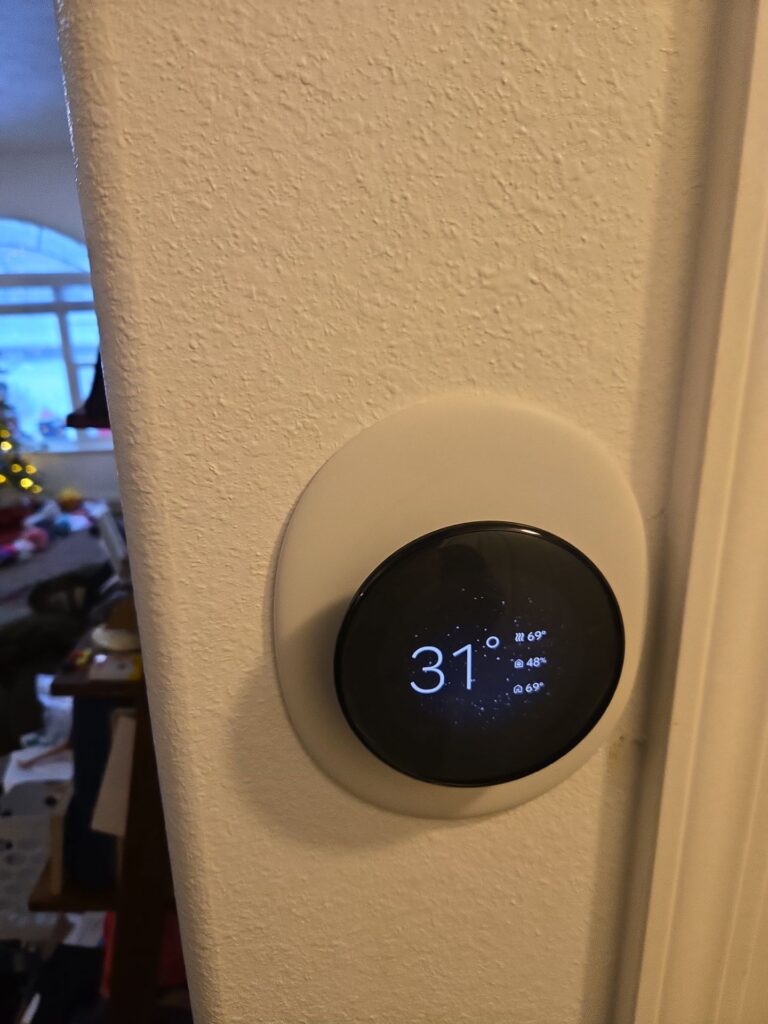
Remote Control and Monitoring are huge convenience factors. Through a smartphone app, you can monitor and adjust your home’s temperature from anywhere in the world. If you leave work early or decide to return from a weekend trip sooner than planned, you can warm up or cool down the house while you are on your way. This feature is a major energy saver, allowing you to leave the temperature at a highly efficient level while you are gone and only conditioning the home when absolutely necessary.
Smart thermostats also provide detailed energy reports. These reports show you exactly how many hours your HVAC system ran and can help you identify peak usage times or suggest further adjustments to your schedule for maximum savings. Some models even integrate geofencing technology, which uses your phone’s location to automatically adjust the temperature based on how far you are from home, ensuring you never waste energy conditioning an empty house.
Placement and Installation Issues
Even a brand new, highly advanced smart thermostat can perform poorly if it is installed incorrectly or in a poor location. A professional HVAC technician will check the following placement issues during an assessment:
Direct Sunlight and Heat Sources: If the thermostat is mounted on a wall that receives direct afternoon sunlight, or if it is too close to a heat emitting appliance like a television, stove, or even a return air duct, it will register an artificially high temperature. This causes the system to cycle off prematurely, leaving other areas of the home cold and drafty.
Want to know if programmable thermostats save money? Click here for more information.
Drafts and Cold Spots: Conversely, mounting a thermostat near a doorway, a leaky window, or next to an uninsulated wall that leads to the outside or an attic will cause it to register an artificially low temperature. This causes the furnace to run continuously, wasting vast amounts of energy by trying to heat a home that it thinks is much colder than it actually is.
Compatibility: Modern HVAC systems, particularly high efficiency heat pumps and multi stage furnaces, use complex wiring schemes that require specific types of thermostats. Attempting to install an incompatible unit, especially without the necessary “C” wire (common wire) for continuous power, can damage the thermostat, the furnace’s control board, or prevent advanced features from working correctly. A Minuteman Electric & HVAC professional ensures the new thermostat is perfectly matched to the system’s requirements, guaranteeing full functionality and preventing costly damage.
When to Upgrade for Specific HVAC Systems
The decision to replace a thermostat often hinges on the type of HVAC equipment you have or plan to install. If you are upgrading your furnace or air conditioner, a thermostat upgrade is nearly mandatory to unlock the system’s full potential.
For Multi-Stage Furnaces or AC Units, a modern two stage thermostat is essential. Multi stage systems can run at lower capacity (first stage) for milder weather and ramp up to full capacity (second stage) only when needed. If you pair a two stage furnace with a single stage thermostat, the system can only ever operate at 100 percent capacity, eliminating the efficiency benefits you paid for.

For Heat Pump Systems, a heat pump specific thermostat is required. These units manage the tricky process of switching from cooling to heating, controlling the system’s reversal valve, and, most critically, controlling the use of auxiliary or emergency backup heat. A standard thermostat can inadvertently run the expensive auxiliary heat too often, dramatically increasing utility bills. A smart, heat pump optimized thermostat minimizes the use of auxiliary heat, maximizing the heat pump’s inherent efficiency.
If you have a Zoned HVAC System with different temperatures set in different areas, you need a specialized zoning thermostat and control board setup. Using individual thermostats for multiple zones without a central zone control panel will cause system imbalance, short cycling, and component damage.
Your thermostat is more than just a switch on the wall; it is the most influential component in determining your home’s energy consumption and comfort. An outdated or inaccurate thermostat is actively costing you money by forcing your expensive heating and cooling equipment to run inefficiently or by failing to take advantage of energy saving setback features. Whether you are seeing clear signs of failure, such as inaccurate readings and erratic cycling, or you simply want to unlock the full efficiency and convenience of modern technology, a replacement is a smart investment. Minuteman Electric & HVAC can help you select, install, and properly calibrate the perfect programmable or smart thermostat to match your lifestyle and your HVAC system, ensuring peak performance and comfort throughout your Idaho Falls home.