
How to Protect Your Electrical System from Ice Damage
Winter in Idaho Falls brings a unique kind of beauty, but it also introduces one of the most significant threats to a home’s infrastructure: ice. While most homeowners worry about snow loading on their roofs or ice dams in their gutters, the electrical system is often overlooked until a failure occurs. Ice is heavy, conductive, and incredibly destructive when it accumulates on power lines, service masts, and outdoor equipment. The weight of a single ice storm can add hundreds of pounds of stress to the wires connecting your home to the grid, leading to structural damage and dangerous electrical faults.
The vulnerability of an electrical system during a freeze is not just about the physical weight of the ice. It is also about the way moisture interacts with electrical components as it melts and refreezes. In Idaho, where temperatures can fluctuate rapidly, the cycle of thawing and freezing can force moisture into tiny crevices in outdoor panels and outlets, leading to corrosion and short circuits. Protecting your home requires a combination of physical preventative measures and the installation of modern safety devices that can handle the volatility of a winter storm.
Taking the time to harden your home’s electrical defenses before the peak of winter is a vital part of responsible property management. A proactive approach prevents the need for emergency repairs in the middle of a blizzard, when technicians are stretched thin and travel conditions are hazardous. By focusing on the points of entry for electricity and the protection of sensitive internal circuits, you can ensure that your home remains powered and safe regardless of how much ice accumulates outside.
Strengthening the Service Entrance and Mast
The most vulnerable part of your home’s electrical system during an ice storm is the service mast. This is the vertical pipe that extends from your roof or the side of your house to receive the overhead power lines from the utility company. As ice builds up on those long spans of wire, the weight pulls downward with immense force. If the mast is not properly anchored or if the hardware has aged and weakened, the ice can literally rip the electrical service right off the side of your house, leaving you with a dangerous live wire and an expensive structural repair.
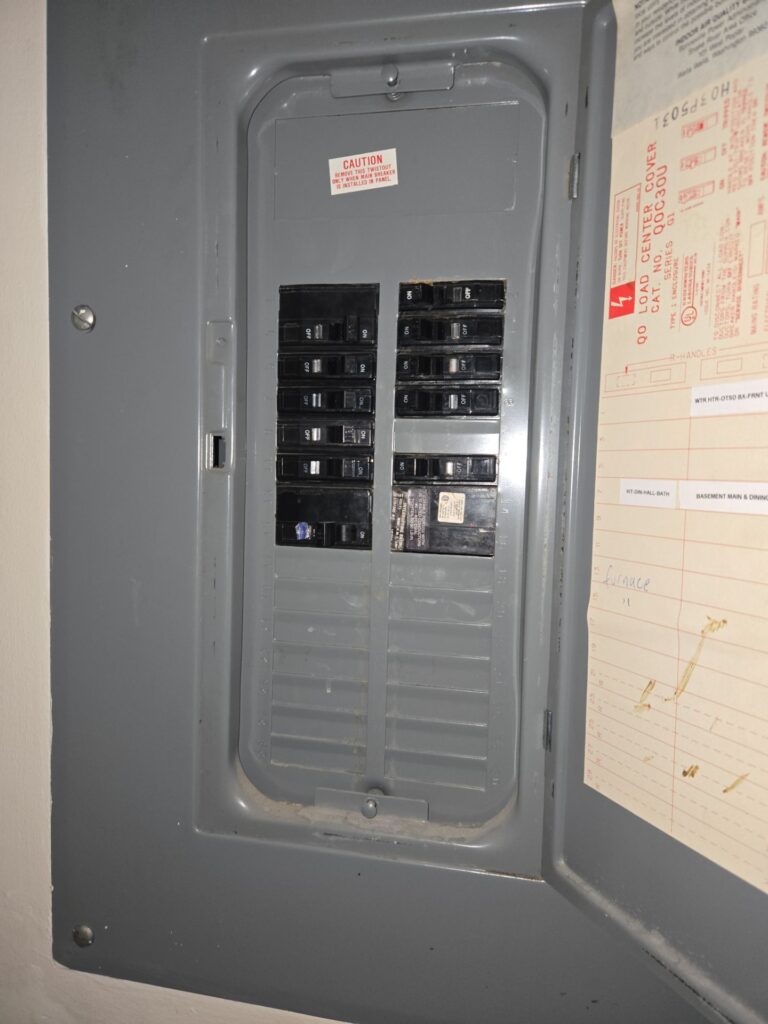
Inspecting the service mast involves looking for signs of leaning, loose brackets, or rust at the base where it enters the meter socket. It is also important to ensure that the weatherhead—the hooded cap at the top of the pipe—is intact and pointing in the correct direction to keep water from entering the conduit. If ice has pulled the mast even slightly out of alignment in previous years, the seals may be broken, allowing melting ice to travel down the inside of the pipe directly into your electrical panel. This hidden water intrusion is a primary cause of panel corrosion and internal short circuits.
Reinforcing this area often requires a professional touch. An electrician can install sturdier guy wires or heavier duty mounting brackets to help the mast withstand the lateral tension caused by ice laden utility lines. In some cases, if the mast is situated under a roof valley where ice and snow frequently shed, it may be necessary to install a protective shield or relocate the service entrance to a safer location. Ensuring this physical connection to the grid is secure is the first and most important step in winter electrical protection.
Installing Whole House Surge Protection
Ice damage frequently leads to power fluctuations and sudden outages. When ice causes power lines to touch or snap, it creates massive electrical surges that travel down the line and into your home. Additionally, as utility crews work to restore power after a storm, the process of switching grid segments back on can send “dirty” power and spikes through the system. These surges are a leading cause of death for modern appliances, including your furnace’s control board, your refrigerator, and sensitive home electronics.
Need an electrical inspection? Click here for our electrical inspection service.
While many people rely on cheap power strips, these are largely ineffective against the powerful surges associated with winter storm damage. The only reliable defense is a whole house surge protector installed directly into your main electrical panel. This device acts as a high speed valve, instantly diverting excess voltage into the ground before it can reach your interior circuits. In an Idaho Falls winter, where the furnace is a piece of life saving equipment, protecting its delicate electronic components from a power surge is a critical priority.
A whole house surge protector provides a comprehensive shield that covers every outlet in the house, including those used by major appliances that cannot be plugged into a standard power strip. This is an investment that pays for itself the very first time the grid becomes unstable during a freeze. By catching the surge at the point of entry, you prevent the microscopic damage to circuit boards that leads to “ghost” failures weeks or months after the storm has passed.
Managing Outdoor Outlets and Lighting
Outdoor electrical components are on the front lines of the battle against ice. Many homes feature outdoor receptacles for holiday lighting or engine block heaters, and these are highly susceptible to moisture intrusion. Standard flip covers are often insufficient in a driving ice storm. If ice builds up over the cover and then melts, water can seep into the outlet box, causing the Ground Fault Circuit Interrupter (GFCI) to trip repeatedly or causing the wires to corrode and overheat.
The best defense for these areas is the installation of “in-use” covers, often called bubble covers. These are large, clear plastic housings that stay closed even when a cord is plugged in, providing a deep, protective shield against ice accumulation and wind driven rain. Additionally, ensuring that all outdoor outlets are modern GFCI units is essential for safety. These devices are designed to shut off power in a fraction of a second if moisture creates a path to ground, preventing electrical shocks in wet or icy conditions.
Lighting fixtures also need attention. Ice can build up on the arms of outdoor lanterns or security lights, potentially pulling them away from the siding. Before the ice arrives, it is wise to check that all fixtures are securely mounted and that the caulking around the mounting base is intact. This prevents melting ice from entering the wall cavity behind the light, where it could come into contact with the home’s wiring. Taking these small steps to waterproof and secure your outdoor electrical points significantly reduces the risk of localized circuit failures during the winter.
Protecting the Exterior Meter and Panel Access
The electrical meter and any exterior disconnect switches are critical points that must remain accessible and functional. During a severe ice storm, the meter glass and the metal cabinet can become encased in a thick layer of ice. This makes it impossible for utility workers to read the meter or for you to quickly shut off power in an emergency. More dangerously, the weight of the ice on the cabinet can sometimes deform the metal, breaking the weather seals and allowing moisture to enter the energized portion of the meter base.
Want to know why you should hire a licensed electrician? Click here for more information.
Homeowners should never use hammers or heavy tools to chip ice off an electrical meter or panel, as the vibration and impact can damage the internal components or cause a short circuit. Instead, preventative maintenance is key. Ensuring that the area above the meter is clear of heavy icicles or snow overhangs is a good start. If your meter is located under a roof line that tends to produce massive icicles, installing a small, non-conductive “ice brow” or shield above the unit can help deflect the falling weight and prevent it from encasing the electrical equipment.
It is also vital to check the ground around the exterior electrical equipment. As ice melts and water pools near the foundation, it can affect the home’s grounding rod. The grounding system relies on a solid connection to the earth to safely dissipate electricity. If the soil around the rod is constantly frozen or saturated with ice melt chemicals, the effectiveness of the ground may be compromised. Ensuring proper drainage away from the electrical entrance helps maintain the integrity of this essential safety system throughout the freezing months.
Preparing for Power Restoration and Grid Instability
When ice causes a power outage, the way you manage your home’s electrical system during the “dark” period determines how safe the restoration process will be. If the power goes out, the first step is to turn off or unplug major appliances and sensitive electronics. When the utility company finally repairs the ice damage and the grid comes back online, there is often a massive initial surge as thousands of homes suddenly pull current at once. By having your major loads turned off, you protect your equipment from this initial spike and help the grid stabilize more quickly.
For many in Idaho Falls, a backup generator is a popular solution for ice related outages. However, the connection of a generator must be handled with extreme care. Never “backfeed” a generator by plugging it into a dryer outlet or any other wall socket. This sends electricity back out into the utility lines, where it can be stepped up to thousands of volts by transformers, potentially killing line workers who are trying to fix the ice damage. A professional installation of a manual transfer switch or an interlock kit is the only safe way to use a generator during a winter storm.
Lastly, once the ice has melted, a thorough visual inspection of your indoor and outdoor electrical components is necessary. Look for new water stains on the ceiling near the service entrance or any buzzing sounds coming from the main panel. Ice damage can be subtle, and a small leak or a loosened connection may not manifest as a total failure immediately. Staying vigilant after the storm has passed ensures that any lingering issues caused by the ice are caught before they turn into a major hazard during the next freeze.
Ice damage to an electrical system is a serious threat that requires more than just reactive fixes. From the structural integrity of the service mast to the electronic protection of a whole house surge protector, every layer of defense plays a role in keeping your home safe during an Idaho Falls winter. By reinforcing your home’s entry points, upgrading outdoor covers, and ensuring your system is properly grounded, you can withstand the heaviest ice storms with confidence. Minuteman Electric & HVAC is committed to helping our community prepare for these challenges. Our team of licensed experts can evaluate your home’s readiness and install the necessary upgrades to protect your family and your property from the destructive power of ice. Don’t wait for the next winter storm to find the weak points in your system; take the steps to harden your home today.