
How to Get Your Air Conditioner Ready for Spring
Spring in Idaho Falls arrives with a mix of mild afternoons and chilly mornings, making it the perfect window to prepare your air conditioner before summer heat sets in. A little attention now prevents breakdowns later when temperatures climb into the 90s. Most homeowners forget their cooling system all winter, and dust, debris, and worn parts quietly build up during those dormant months. Getting ahead of these issues saves money on emergency repairs and lowers your energy bills throughout the cooling season. The steps are straightforward, and many can be handled without professional tools. Still, a thorough tune-up from a certified technician catches the issues that a visual check cannot. Taking action in March or April gives you peace of mind before the first heat wave hits.
Why Spring Is the Best Time to Get Your Air Conditioner Ready
Spring offers the ideal conditions to inspect, clean, and test your cooling equipment before demand peaks. Outdoor temperatures are mild enough to run the system safely without risking compressor damage from cold startups. HVAC companies also have more open scheduling in spring, so appointments are easier to book compared to the rush of June and July. Catching small issues early keeps your unit running efficiently when you need it most. A neglected air conditioner uses more electricity and wears out faster, which drives up long-term costs. Spring prep work is an investment in comfort and system longevity.
A Clean Air Conditioner Is a Spring-Ready Air Conditioner
Dirt is the number one enemy of any cooling system, and winter leaves plenty of it behind. Leaves, pollen, grass clippings, and dust collect inside the outdoor condenser coils and restrict airflow. When airflow drops, the compressor works harder and consumes more energy to deliver the same cooling. You can start by turning off power at the disconnect box and gently rinsing the outdoor unit with a garden hose from the inside out. Avoid pressure washers, since the fins bend easily and damaged fins hurt performance. Clearing a two-foot radius around the unit of plants, mulch, and debris also helps air move freely. A clean system runs cooler, quieter, and more reliably all summer long.
Indoor components need the same attention, starting with the air filter. A dirty filter chokes airflow across the evaporator coil and can cause the coil to freeze during operation. Replace standard one-inch filters every one to three months, and check thicker media filters every six months. Write the replacement date on the filter frame to stay on schedule. While you are there, wipe down the return grille and visible ductwork near the unit. Pet dander, construction dust, and humidity residue all settle in these spots over winter.
The evaporator coil and drain line also need a spring refresh. The coil sits inside the air handler and can grow mold or collect sticky debris that insulates it from airflow. A clogged condensate drain line causes water to back up, which leads to leaks and potential water damage. Pouring a cup of distilled vinegar down the drain line helps clear algae buildup before the humid months. Cleaning these parts properly often requires opening sealed panels, so homeowners should call a professional for deep cleaning. Proper coil care keeps humidity levels comfortable and prevents musty odors from spreading through the house.
A Tested Air Conditioner Is a Spring-Ready Air Conditioner

Before running your system for the season, walk through a basic performance test on a day above 60 degrees. Set your thermostat five degrees below room temperature and listen for the outdoor unit to kick on within a minute. You should feel strong, cold air at the supply vents within about ten minutes of startup. Weak airflow, warm air, or strange noises all signal problems that deserve attention. Pay attention to any hissing, grinding, or rattling sounds, since they often point to refrigerant issues or loose parts. Early testing gives you time to schedule repairs before you truly need the cooling.
Thermostat performance matters just as much as the mechanical parts. Check that the display reads correctly and responds to temperature changes without lag. If you still use a manual or older digital thermostat, spring is a great time to upgrade to a programmable or smart model. Smart thermostats learn your schedule and reduce runtime when no one is home, cutting cooling costs by up to 15 percent. Replace the batteries if your unit uses them, even if the display still works. A reliable thermostat protects both your comfort and your equipment.
Listen closely during the first few cycles of the season. Short cycling, where the unit turns on and off rapidly, often means a refrigerant imbalance or a failing capacitor. Long run times without reaching the set temperature can indicate a compressor issue or a refrigerant leak. Feel the copper refrigerant lines outside; the larger line should be cold and sweating, while the smaller line should be warm. Any ice on either line is a clear sign of trouble and a reason to shut the system down. Catching these warning signs in spring prevents a total breakdown in July.
A Serviced Air Conditioner Is a Spring-Ready Air Conditioner
Professional maintenance goes far beyond what a homeowner can safely do. A trained technician checks refrigerant charge, electrical connections, capacitor health, and contactor wear. They also measure temperature drop across the evaporator coil to confirm the system is cooling at full capacity. These checks require gauges, multimeters, and manufacturer specifications that are not practical for DIY work. A professional tune-up typically takes 60 to 90 minutes and covers 20 or more inspection points. Skipping annual service often voids manufacturer warranties on newer equipment.
Refrigerant deserves special attention every spring. Systems should never lose refrigerant under normal operation, so low levels always point to a leak somewhere in the lines or coils. Running an undercharged system damages the compressor, which is the most expensive part to replace. Technicians use electronic leak detectors and UV dye to find the source before topping off the charge. Newer systems use R-410A or R-454B refrigerants, and proper handling requires EPA certification. Professional refrigerant service protects both your wallet and the environment.
Need air conditioning maintenance? Click here for our air conditioning maintenance service.
Electrical components also need a yearly inspection by a qualified technician. Capacitors weaken with age and heat, and a failed capacitor is the most common reason an air conditioner stops working in mid-summer. Contactors develop pitting and carbon buildup that can cause the unit to hum without starting. Technicians test voltage draw, amperage, and resistance to spot parts heading toward failure. Replacing a worn capacitor during spring maintenance costs far less than an emergency call on a 95-degree afternoon. Preventive service keeps you out of the repair cycle and extends the life of your entire system.
How to Get Your Air Conditioner Ready for Spring Around Your Home
Spring prep involves more than just the air conditioner itself, since the whole house affects how well your system performs. Windows, insulation, ductwork, and landscaping all play a role in cooling efficiency. Small improvements around the home reduce the load on your equipment and lower monthly energy bills. Idaho Falls homes face unique challenges from pollen, wind-blown dust, and rapid temperature swings in spring. Addressing these factors early sets your system up for a smooth summer. Every step you take supports the air conditioner and helps it last longer.
A Sealed Home Is a Spring-Ready Air Conditioner Home
Air leaks around windows, doors, and outlets force your cooling system to work overtime. Spring is the perfect time to walk your home and feel for drafts with the back of your hand on a breezy day. Common leak points include weatherstripping around exterior doors, caulk lines around window frames, and gaps where pipes enter exterior walls. Replacing worn weatherstripping takes about 15 minutes per door and costs under 20 dollars. Fresh caulk around windows seals out dust and pollen while keeping cooled air inside. A tight home stays cool with less runtime from your air conditioner.
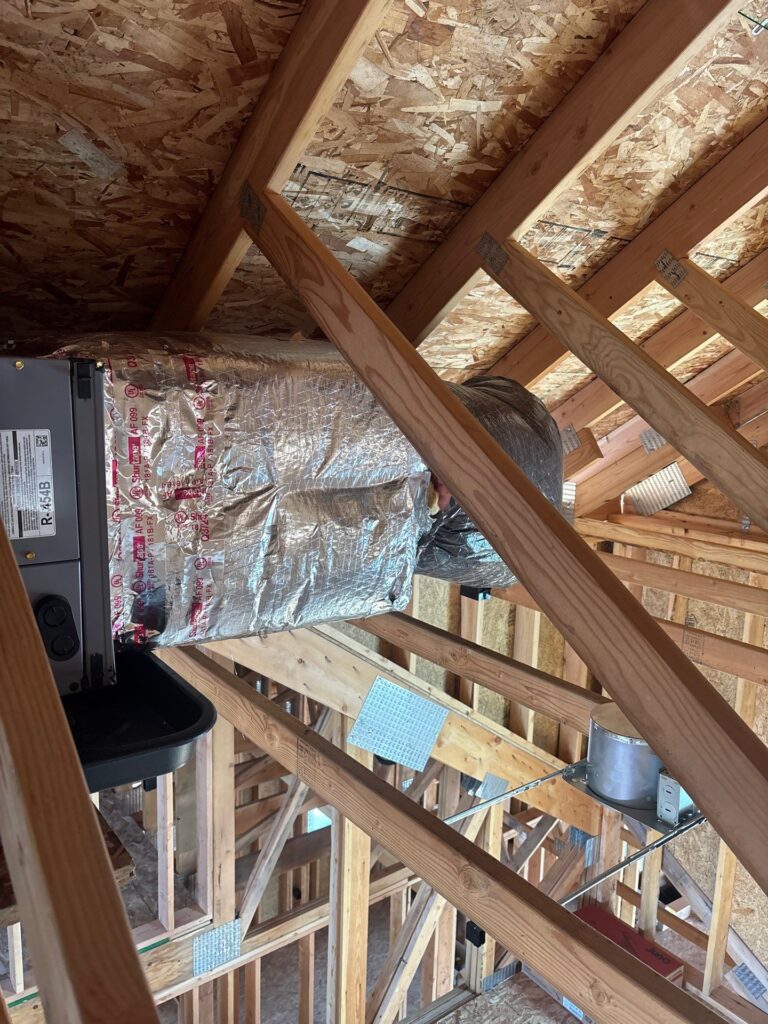
Attic insulation makes an even bigger difference in cooling performance. Heat rises through the ceiling from the attic all summer, and underinsulated attics can push indoor temperatures up by several degrees. Idaho Falls homes should have at least R-49 insulation in the attic, which is roughly 16 inches of blown fiberglass or cellulose. Check your current level with a ruler in a corner of the attic, away from any compressed spots. Adding insulation is one of the highest-return upgrades for cooling efficiency. The savings show up on every summer utility bill.
Ductwork leaks are often invisible but costly. Studies show that the average home loses 20 to 30 percent of conditioned air through leaks in the duct system. Common problem areas include joints, elbows, and where ducts enter rooms through floors or ceilings. Mastic sealant and foil tape work far better than standard duct tape for long-lasting repairs. If your cooling bills seem high despite a well-maintained system, a professional duct test can pinpoint the losses. Sealing ducts often delivers a 10 to 20 percent jump in cooling efficiency.
A Smart Landscape Is a Spring-Ready Air Conditioner Landscape
The area around your outdoor condenser unit directly impacts how well it can release heat. Plants, shrubs, and fences too close to the unit restrict airflow and force the system to run hotter. Keep at least two feet of clear space on all sides and five feet above the unit. Trim back any growth that crept in during late summer and fall. Avoid planting flowers or vegetables right next to the condenser, since even small plants trap debris during the growing season. Good landscape planning protects your investment.
Shade can help the outdoor unit run more efficiently, but only when placed correctly. A unit sitting in direct afternoon sun works harder than one in natural shade, and studies show shaded units can run up to 10 percent more efficiently. Plant tall shrubs or a small tree several feet away, positioned to block the hottest afternoon sun. Never cover the top of the unit or build a roof directly over it, since this traps heat and restricts airflow. Mulch around nearby plants should stay low and away from the unit itself. Thoughtful landscaping pays off every summer.
Drainage around the condenser pad matters too. The pad should sit level and slightly above the surrounding soil to prevent water from pooling at the base. Standing water rusts the cabinet, corrodes electrical connections, and can freeze and crack the pad in winter. Add a few inches of gravel around the base if drainage is poor, and check that roof gutters do not dump water directly on the unit. Ice melt from spring thaws also causes issues if the unit sits in a low spot. A dry, level foundation keeps the condenser running for 15 to 20 years.
A Smart Thermostat Is a Spring-Ready Air Conditioner Partner
Upgrading your thermostat is one of the easiest spring projects with a big payoff. Modern smart thermostats offer Wi-Fi control, geofencing, and detailed energy reports right on your phone. Setting your home a few degrees warmer when no one is home cuts runtime without sacrificing comfort. Most smart thermostats pay for themselves within a year through reduced cooling costs. They also alert you to unusual behavior, such as a unit running too long, which can catch problems before they turn into breakdowns. Pairing a smart thermostat with a freshly tuned system delivers the best summer comfort.
Proper thermostat placement matters just as much as the model you choose. A thermostat mounted on an exterior wall, in direct sunlight, or near a supply vent reads temperatures inaccurately. This causes the system to short cycle or run too long, wasting energy and wearing out parts faster. The ideal spot is an interior wall in a central room, about five feet above the floor. If yours sits in a poor location, consider relocating it during spring prep. A correctly placed thermostat keeps the whole house comfortable.
Want to upgrade your thermostat? Click here for our thermostat installation service.
Zoning systems take comfort one step further for larger homes. A zoned system uses dampers and multiple thermostats to cool different areas independently based on use. Upstairs bedrooms can stay cool at night while the main floor runs warmer during the day. Idaho Falls homes with vaulted ceilings or multiple stories benefit the most from zoning. Adding zones works best during a system replacement or major duct renovation. Smart zoning pairs perfectly with a high-efficiency air conditioner for maximum savings.
Why You Need Professional Help to Get Your Air Conditioner Ready for Spring
Spring prep combines homeowner tasks with professional service for the best results. While cleaning the outdoor unit and changing filters are easy DIY projects, refrigerant checks, electrical testing, and deep coil cleaning call for a licensed technician. Minuteman Electric & HVAC offers full spring tune-ups that cover every critical component of your cooling system. Our team has served the Idaho Falls area for years with honest pricing and careful work. Scheduling early means you get the appointment time you want before the summer rush. A professional tune-up is the single best thing you can do for your air conditioner each year.
A Full Inspection Is a Spring-Ready Air Conditioner Checkup
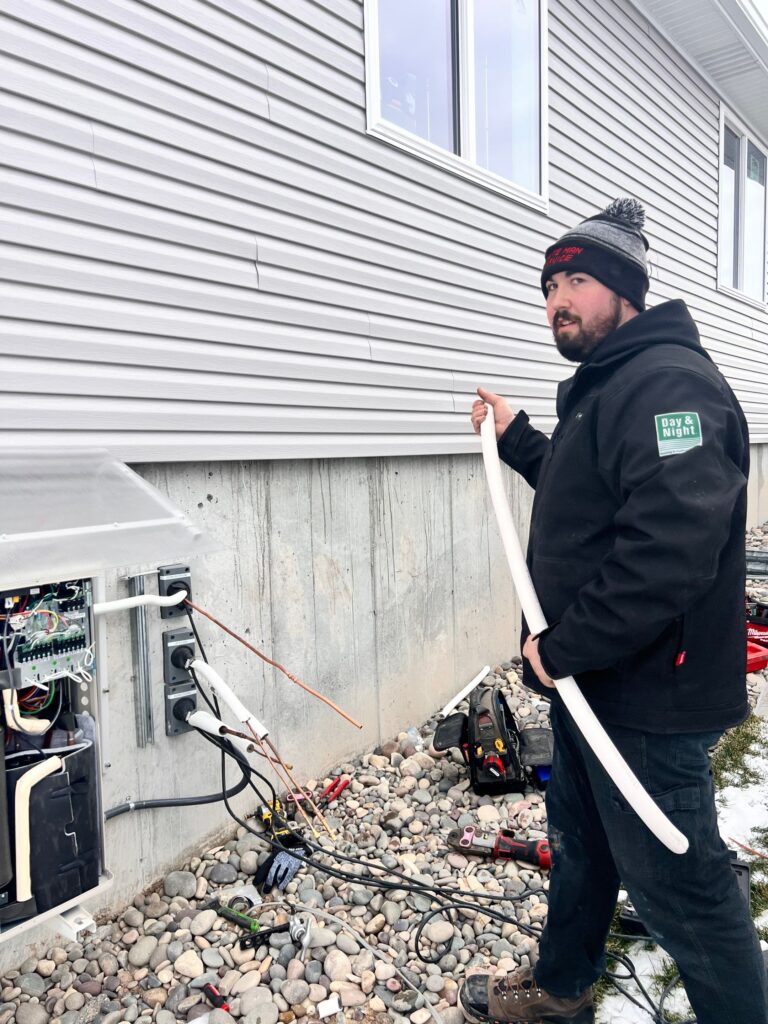
Our technicians follow a detailed multi-point inspection on every spring service call. We check refrigerant pressure, electrical connections, blower motor operation, and airflow at every register. We also measure the temperature drop across the evaporator coil to confirm the system is performing within manufacturer specs. Every inspection includes a written report so you know exactly what we found and what we recommend. Transparency is the foundation of how we operate, and no customer should feel pressured into unneeded repairs. Honest assessments build trust year after year.
We catch problems that homeowners cannot see or hear. Worn capacitors, pitted contactors, slow refrigerant leaks, and failing blower bearings all show early warning signs that only trained eyes can spot. Finding these issues in spring means you can fix them on your schedule rather than during an emergency. Our trucks carry common replacement parts so many repairs can happen on the same visit. This saves you time and avoids the stress of waiting days for parts. Proactive service keeps your summer comfortable and predictable.
Beyond the equipment itself, we look at the big picture of your home comfort. We check duct connections near the unit, inspect the condensate drain, and verify the thermostat is communicating correctly. If we notice uneven cooling or humidity issues, we discuss options that fit your budget and goals. Our job is to help you get the most from your system, not to sell you the biggest repair. That focus on real value is why so many Idaho Falls homeowners come back to us year after year.
A Trusted Technician Is a Spring-Ready Air Conditioner Expert
All Minuteman Electric & HVAC technicians are NATE and EPA-certified, which are the top credentials in the HVAC industry. NATE certification requires passing rigorous exams on electrical systems, refrigerant handling, and diagnostic procedures. EPA certification is federally required for anyone working with refrigerants, protecting both your equipment and the environment. Our team continues ongoing training on new equipment, controls, and efficiency standards every year. You can trust that the person in your home has the knowledge to do the job right. Certification matters when it comes to your family’s comfort and safety.
Experience counts just as much as credentials. Our owners, Jarrod and Ted Mount, bring more than 45 years of combined HVAC experience to every job we perform. That depth of knowledge shows up in the way we diagnose tricky problems and explain options in plain language. We treat every home as if it were our own, respecting your time, your property, and your questions. No job is too small, and no customer is just a number. Personal service is the Minuteman Electric & HVAC standard.
Need air conditioning repair? Click here for our air conditioning repair service.
Local knowledge also plays a big part in good service. Idaho Falls weather swings from below zero in winter to the 90s in summer, and our systems face unique demands. We understand how local dust, altitude, and temperature cycles affect equipment life. That context shapes the recommendations we make for each home. Our team lives and works in this community, and we take pride in taking care of our neighbors. Choosing a local company means choosing real accountability.
Why Choose Minuteman Electric & HVAC for Your Spring-Ready Air Conditioner
Minuteman Electric & HVAC has earned the Reader’s Choice Award for our dedication to quality and honest work. That recognition comes from customers who value fair pricing, clear communication, and technicians who show up on time. We provide free estimates and straightforward pricing so you always know what to expect before work begins. Financing options are available for larger repairs or replacements to keep your budget on track. Our goal is to make HVAC service simple, reliable, and stress-free. That philosophy drives every appointment we run.
We handle the full range of cooling services, from spring tune-ups to full system replacements. Our trucks are stocked with parts for most common repairs, so we can often fix your system on the first visit. We work on all major brands, and our technicians stay current with the latest equipment from leading manufacturers. Whatever the age or model of your air conditioner, we can help keep it running strong. One call covers all your HVAC needs throughout the year.
Call Minuteman Electric & HVAC at (208) 520-7885 to schedule your spring air conditioner tune-up today. You can also email us at solutions@minutemanservicesid.com or stop by our office at 3912 N Yellowstone Hwy Ste A, Idaho Falls, ID 83401. Our friendly team is ready to answer questions, provide a free estimate, or book service at your convenience. Spring appointment slots fill up fast, so reach out early to lock in your preferred date. Trust the team that Idaho Falls homeowners choose year after year for reliable HVAC service.