
Signs You Need a GFCI Outlet Installed in Your Bathroom or Kitchen
Electrical safety in your home starts with the right outlets in the right places. GFCI outlets, or ground fault circuit interrupters, are designed to protect you from dangerous electrical shocks in areas where water and electricity can meet. Bathrooms and kitchens are the two most common spots in any Idaho Falls home where these outlets are legally required by the National Electrical Code. If your home is older or has gone through a partial remodel, there’s a strong chance some of your outlets may not meet current safety standards. Knowing the signs of a missing or failing GFCI outlet can help you protect your family from shock hazards and electrical fires.
What a GFCI Outlet Does and Why Bathrooms and Kitchens Need Them
A GFCI outlet monitors the flow of electricity between the hot and neutral wires on a circuit. When it detects even a tiny imbalance, often as small as 4 to 5 milliamps, it shuts off power in a fraction of a second. This rapid response prevents serious injury or death from electrical shock, especially in wet or damp environments. Bathrooms and kitchens are considered high-risk zones because water conducts electricity and increases the chance of a ground fault. Installing these outlets is one of the most effective ways to prevent household electrocutions.
A GFCI Outlet Protects You From Ground Faults in Wet Rooms
Ground faults happen when electricity escapes its intended path and finds an alternate route to the ground, sometimes through a person. In a bathroom, this could happen if a plugged-in hair dryer falls into a sink full of water. In a kitchen, it might occur when a coffee maker sits too close to a wet countertop or an appliance cord gets splashed during dish washing. A standard outlet has no way to detect this dangerous current leak, meaning the power keeps flowing even as someone is being shocked. A GFCI outlet, by contrast, senses the imbalance immediately and cuts the circuit before injury can occur. This is why building codes require them in every bathroom and within six feet of a kitchen sink.
Moisture is the biggest threat in these rooms, and it doesn’t take a flood to cause problems. Steam from a hot shower, splashes from a running faucet, or condensation on cold pipes can all create conditions for a ground fault. Older outlets that aren’t GFCI-protected offer zero defense against these everyday hazards. Even newer homes can have outlets that were wired incorrectly or have failed over time without the homeowner knowing. Regular testing of your GFCI outlets, which can be done with the built-in test button, is the only way to confirm they are still working. If the outlet fails the test, it needs to be replaced right away by a licensed electrician.
The protection a GFCI outlet provides is not just for adults using appliances. Children are especially vulnerable to electrical shock because their smaller bodies can be harmed by lower levels of current. A toddler sticking a metal object into an outlet, or a child touching a plugged-in device with wet hands, can suffer severe injury from a standard outlet. GFCI protection cuts the power so fast that even in these scenarios, the risk of lasting harm drops significantly. Families with young children should make GFCI installation a top priority in any room with water access. Need GFCI outlet installation in your home? Click here for our GFCI outlet installation service.

A GFCI Outlet Meets Modern Electrical Code Requirements
The National Electrical Code has required GFCI protection in bathrooms since 1975 and in kitchens since 1987, with updates expanding those requirements over the years. Today, every outlet in a bathroom must be GFCI-protected, and every kitchen countertop outlet needs the same protection. Homes built before these code updates often still have standard outlets in these rooms, which presents a real safety concern. If you’ve never updated the wiring in an older Idaho Falls home, your bathroom and kitchen outlets may be decades behind current safety standards. A licensed electrician can inspect your home and identify which outlets need to be upgraded.
Code compliance matters for more than just safety; it also affects your ability to sell or insure your home. Home inspectors flag missing GFCI outlets as a defect, and buyers often request repairs before closing. Insurance companies may deny claims related to electrical fires or injuries if the home wasn’t up to code. Even routine remodeling projects trigger code updates in the affected rooms, meaning a simple bathroom upgrade can require new GFCI outlets. Staying current with code protects both your family and your investment in your property.
Idaho Falls homes, especially those built before the 1990s, frequently have kitchens and bathrooms with outdated wiring. Many of these homes have been partially updated over the years, leaving a mix of modern GFCI outlets and older standard ones. The only way to know for sure is to have a professional electrical inspection performed on your home. An electrician can test every outlet, identify gaps in protection, and recommend upgrades where needed. Want a full electrical safety check? Click here for our electrical inspection service.
A GFCI Outlet Reduces Fire Risk From Faulty Appliances
Electrical fires are one of the leading causes of home fires in the United States, and faulty outlets or wiring are common culprits. A ground fault that goes undetected can cause arcing, overheating, and eventually ignition of nearby materials. GFCI outlets dramatically reduce this risk by cutting power the moment a fault is detected. In kitchens, where appliances like toasters, microwaves, and blenders are used daily, this protection is especially valuable. Over time, cords fray, insulation wears down, and internal components fail, creating the exact conditions GFCI outlets are designed to catch.
Bathroom fires are less common but can be just as devastating, especially when caused by hair dryers, curling irons, or space heaters. These appliances draw significant current and can malfunction in ways that create ground faults. Without GFCI protection, a faulty appliance can cause sustained arcing that ignites towels, shower curtains, or cabinetry. The speed at which a GFCI outlet responds means the fault is interrupted before enough heat builds up to start a fire. This single layer of protection has saved countless homes from serious damage.
Beyond appliance failures, rodents and insects can damage wiring inside walls, creating hidden fault conditions. Moisture intrusion from leaky pipes or condensation can also degrade wire insulation over time. All of these issues can lead to ground faults that a standard outlet would ignore. A GFCI outlet serves as a backstop against problems you can’t see, offering peace of mind that your home has at least one line of defense against electrical fires. Combined with smoke detectors and proper electrical maintenance, GFCI outlets are a core part of any home fire prevention strategy.
Warning Signs You Need a GFCI Outlet Installed Right Away
Some signs of outdated or failing outlets are obvious, while others are easy to miss if you don’t know what to look for. Recognizing these warning signs can help you take action before a minor issue becomes a dangerous one. Homeowners in Idaho Falls should inspect their bathroom and kitchen outlets regularly, especially in homes more than 20 years old. A professional electrician can confirm whether an outlet needs to be replaced or upgraded to a GFCI model. Paying attention to these clues can prevent electrical shocks, fires, and costly repairs down the road.
Signs You Need a GFCI Outlet Installed Based on Outlet Appearance
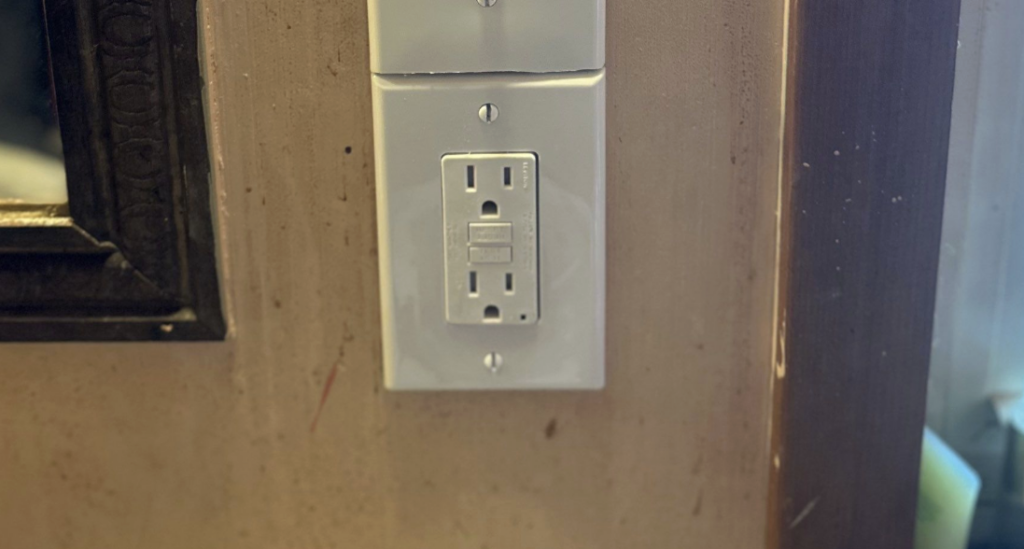
The easiest way to tell if you need a GFCI outlet is to look at the outlets themselves. A GFCI outlet has two small buttons on the face, typically labeled “TEST” and “RESET.” If your bathroom or kitchen outlets have no buttons and look like standard two- or three-prong receptacles, they almost certainly lack GFCI protection. Older two-prong outlets without a grounding hole are an even bigger red flag, as they predate modern safety standards entirely. These outlets should be replaced as soon as possible by a qualified electrician.
Discoloration, scorch marks, or melted plastic around an outlet are serious warning signs that should never be ignored. These indicate that the outlet has experienced arcing, overheating, or a past electrical event. Even if the outlet still works, the internal components may be compromised and unsafe to use. Replacing a damaged outlet with a new GFCI model restores safety and brings the location up to current code. Never try to use a scorched outlet, even temporarily, as it poses an immediate fire and shock risk.
Cracked, loose, or wobbly outlets are also problematic, especially in high-moisture areas. A loose outlet can allow moisture to reach the wiring behind it, creating conditions for a ground fault. Cracks in the outlet face can expose internal contacts to splashes or humidity. If you notice any of these issues in your bathroom or kitchen, stop using the outlet and call a licensed electrician. Replacing the outlet with a properly installed GFCI unit eliminates these risks and ensures safe operation going forward.
Signs You Need a GFCI Outlet Installed Based on Electrical Behavior
Tripped breakers are often a sign of an underlying electrical problem, especially when they happen repeatedly on the same circuit. If your bathroom or kitchen breaker trips every time you use a certain appliance, the circuit may be detecting a ground fault that a GFCI outlet would handle more safely and locally. A breaker trip shuts off the entire circuit, while a GFCI outlet cuts power only at the point of the fault. This targeted protection makes it easier to identify the problem and keeps the rest of your circuit running. Frequent breaker trips always warrant a professional evaluation.
Mild tingling or shocks when touching plugged-in appliances are a major warning sign of a ground fault in progress. Even a small shock means electricity is traveling through your body instead of staying within the appliance’s intended path. A GFCI outlet would detect this leak and cut power instantly, preventing the shock from happening at all. If you ever feel even a slight tingle from a kitchen or bathroom appliance, stop using it immediately. Have an electrician test the outlet and the appliance before using either one again.
Flickering lights or appliances that cut out briefly when used can also indicate unstable electrical conditions on the circuit. These symptoms often point to loose wiring, a failing outlet, or moisture intrusion somewhere in the system. While these issues require a full diagnostic to resolve, installing a GFCI outlet at the affected location adds an immediate layer of protection. It won’t fix the root cause, but it will prevent shocks or fires if a fault develops. Pairing a GFCI upgrade with a broader electrical inspection is the safest path forward.
Signs You Need a GFCI Outlet Installed Based on Home Age and Renovations
Any home built before 1975 almost certainly has bathrooms without GFCI protection, and homes built before 1987 likely have kitchens in the same condition. If you’ve bought or are living in an older Idaho Falls home and haven’t verified the outlet types, this is a gap worth closing soon. Many homes in the area still have original wiring and outlets from the 1960s and 1970s, which don’t come close to meeting modern safety codes. A licensed electrician can survey your home and replace any missing GFCI outlets in a single visit. This is one of the most affordable and impactful electrical upgrades you can make.
Partial remodels often leave behind a patchwork of old and new outlets, creating confusion about what’s protected and what isn’t. A kitchen that was updated in the 1990s might have GFCI outlets only near the sink, with standard outlets elsewhere on the countertop. Bathrooms that had only cosmetic updates, like new tile or fixtures, typically still have the original outlets behind the vanity. These mixed installations are common and often overlooked until an inspection reveals the gaps. Making sure every required location has proper GFCI protection brings your home fully up to code.
DIY electrical work from previous owners is another common source of missing or incorrectly installed GFCI outlets. Some homeowners install a GFCI outlet but fail to wire it correctly, leaving downstream outlets unprotected. Others replace outlets with standard units without realizing a GFCI was required. A professional electrician can identify these issues quickly and correct them to ensure proper protection throughout the home. If you’ve recently moved into a home or suspect previous DIY work, a full inspection is well worth the cost.
Why You Need Professional GFCI Outlet Installation in Idaho Falls
Installing a GFCI outlet may look simple, but doing it correctly requires knowledge of wiring, code requirements, and proper testing procedures. A poorly installed GFCI outlet can provide no protection at all, giving homeowners a false sense of security. Licensed electricians are trained to install these outlets correctly the first time, ensuring every connection is safe and code-compliant. For homes in Idaho Falls and the surrounding area, professional installation is the only way to guarantee the safety benefits GFCI outlets are designed to provide. Trusting this work to a qualified team protects your family and your property.
Why You Need Professional GFCI Outlet Installation for Code Compliance
Electrical codes change over time, and staying current requires ongoing training and certification. A licensed electrician knows exactly which outlets in your home need GFCI protection based on current code requirements. They also understand the differences between GFCI outlets and GFCI breakers, choosing the right solution for each situation. Homeowners attempting DIY installations often miss these nuances, leading to work that fails inspection or creates new safety issues. Professional installation ensures every outlet meets code and passes any future inspection.
Building permits are often required for electrical work, even for something as simple as adding a new GFCI outlet in certain circumstances. A licensed electrician handles all permit requirements and ensures the work is properly documented. This documentation matters if you ever sell your home or file an insurance claim related to electrical issues. DIY work that wasn’t permitted or inspected can create legal and financial headaches later. Hiring a professional from the start avoids these problems entirely.
Code compliance also affects warranty coverage on appliances and electrical components. Many manufacturers require proper installation by a licensed professional as a condition of their warranty. If a DIY installation causes damage to an appliance or leads to a fire, the warranty may be voided. Professional installation protects your investment in both the outlet and the appliances plugged into it. It’s a small upfront cost for long-term peace of mind and financial protection.
Why You Need Professional GFCI Outlet Installation for Safety
Working with electrical wiring carries real risk, even for simple projects. Shutting off the wrong breaker, touching a live wire, or miswiring an outlet can result in serious injury or death. Licensed electricians use proper testing equipment and safety procedures to eliminate these risks. They also know how to identify and address related issues, such as outdated wiring or overloaded circuits, that a DIY installer might miss. This broader view of home electrical safety makes professional installation far more thorough than any DIY attempt.
A correctly installed GFCI outlet is tested immediately after installation to confirm it works. Licensed electricians use specialized testers to verify that the outlet trips under fault conditions and resets properly. They also check that downstream outlets, if wired to the same GFCI, are protected as expected. This testing process catches wiring errors that could leave an outlet looking functional but providing no real protection. Homeowners don’t typically have the equipment or training to perform these tests correctly.
Safety also extends to the long-term reliability of the installation. A professionally installed GFCI outlet uses proper wire connections, correct torque on terminals, and appropriate box fill calculations. These details matter for preventing loose connections, overheating, and premature failure. DIY installations often overlook these factors, leading to outlets that work at first but develop problems within a few years. Professional work stands up to daily use and continues providing protection for the full life of the outlet.
Why You Need to Choose Minuteman Electric & HVAC for GFCI Outlet Installation
Minuteman Electric & HVAC is proud to serve Idaho Falls and the surrounding communities with expert electrical work backed by 45+ years of combined experience. Owners Jarrod Mount and Ted Mount lead a team of skilled electricians who take pride in quality workmanship and honest service. Every installation is performed by a licensed professional who understands local codes and works to meet or exceed every safety standard. We treat every home as if it were our own, ensuring the work is done right the first time. That commitment has earned us the Reader’s Choice Award and the trust of countless local homeowners.
We offer free estimates and straightforward pricing on every electrical project, so you know exactly what to expect before work begins. Financing is available to help make safety upgrades like GFCI outlet installation more accessible to every family. Our technicians arrive on time, communicate clearly, and leave your home clean when the job is done. We don’t cut corners or upsell services you don’t need, because our goal is long-term customer relationships, not one-time transactions. That approach has built our reputation across Idaho Falls, Rexburg, Rigby, Ammon, and beyond.
When you choose Minuteman Electric & HVAC, you’re choosing a team that puts safety first and treats every customer with respect. We’re NATE and EPA-certified, fully licensed, and insured for your protection. Call us at (208) 520-7885 or email solutions@minutemanservicesid.com to schedule your GFCI outlet installation today. Need GFCI outlets installed in your bathroom or kitchen? Click here for our GFCI outlet installation service. Let us help you make your home safer, one outlet at a time.