
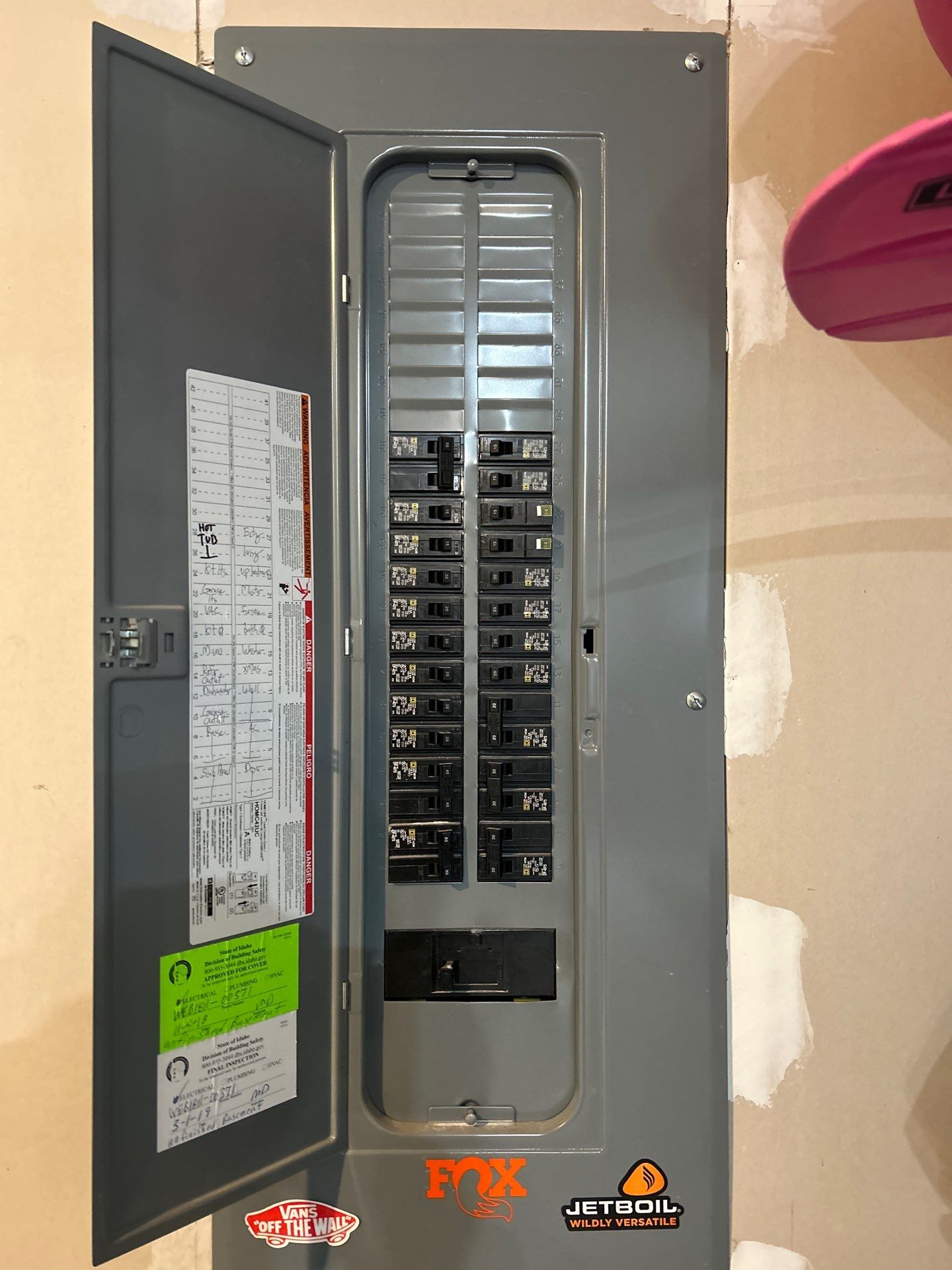
Planning an Addition? Start With an Electrical Panel Review
Planning a home addition in Idaho Falls is an exciting endeavor. Whether you are envisioning a spacious new master suite, a dedicated home office, or a cozy sunroom, the initial focus is often on architectural design, layout, and finishes. However, before a single wall is framed or a window is ordered, the very first planning step should be a thorough review of your home’s electrical panel.
This is the central command station for your entire electrical system, and its capacity dictates the physical limitations of your entire expansion. Building a beautiful, modern addition that cannot safely power the lights, outlets, new HVAC unit, and technology required within it is a common, costly mistake. Ignoring the panel until the drywall goes up guarantees delays, expensive last minute upgrades, and the risk of an unsafe, overloaded system.
The core question is simple: Can your existing electrical panel handle the massive increase in demand that a new addition creates? For many older homes in the area, the answer is a definitive no. Older panels were never designed for today’s high-tech, high consumption lifestyle. A professional electrical review by Minuteman Services ensures your new space will function safely, meet all local Idaho codes, and provide the reliable power you need for decades to come.
Why the Panel is the Foundation of Your Addition
The electrical panel, often called the breaker box, is the point where the main utility power enters your home and is then divided into individual circuits. Every light, every outlet, and every appliance in your new addition will require one or more dedicated circuits, each of which needs a corresponding breaker slot in the panel.

A new addition significantly increases your home’s total electrical load. Consider the demands: new heating and cooling (an HVAC mini split or extension of the central system), general use receptacles, dedicated bathroom circuits for hair dryers and GFCIs, a dozen recessed lights, and possibly a high amperage 240-volt line for a new appliance or a subpanel. All these requirements add up, demanding both physical space in the panel for new breakers and sufficient overall amperage capacity from the main service.
Many homes built twenty to forty years ago have 100-amp service panels. While adequate for the original home, these panels are almost always insufficient for a modern addition. An addition often pushes the total electrical demand over the 100-amp limit, requiring an upgrade to the modern standard of 200 amps. If you fail to assess this capacity first, you risk installing a beautiful addition that forces your main breaker to trip constantly or, worse, an electrical system that runs dangerously overloaded, creating a severe fire hazard.
Assessing Amperage Capacity and Breaker Space
A professional electrical panel review focuses on two critical measurements: the total amperage and the available breaker slots.
First, the licensed electrician will determine the panel’s main service amperage. This is usually listed on the main breaker switch. If your existing home has 100-amp service, and you are planning a substantial addition like a master bedroom suite or a large family room, a panel upgrade to 200 amps is highly likely, if not mandatory. The electrician performs a detailed load calculation, a complex analysis that factors in the existing circuits and the total estimated load of the new addition. This calculation determines precisely how much additional power the new space will draw, ensuring the new main breaker can handle the total, maximum draw without failing.
Need an electrical panel upgrade? Click here for our electrical panel upgrade service.
Second, the review looks at the physical space inside the panel. Every new light, outlet, and major appliance requires its own circuit breaker. If your existing panel is already full, or if you only have a few empty slots left, you must plan for an expansion. An electrician will determine if the panel can safely accept “tandem” or “double stuff” breakers, which fit two circuits into one slot, or if a more permanent solution, such as a full panel replacement or the installation of a subpanel, is necessary. Attempting to force circuits into a full panel using unsafe methods like “double tapping” (connecting two wires to one breaker terminal) is a code violation and one of the leading causes of electrical fires.
The Role of the Subpanel in Home Additions
For large additions or new construction that is geographically separate from the main panel, such as a detached garage, a workshop, or even a second floor expansion, installing a subpanel is often the most efficient and practical solution.
A subpanel is essentially a secondary breaker box. It connects to the main panel using one large set of feeder wires and one large circuit breaker. The subpanel then houses all the individual breakers needed for the new addition’s circuits. This eliminates the need to run dozens of long, individual wires from the main panel all the way across the house to the new space.
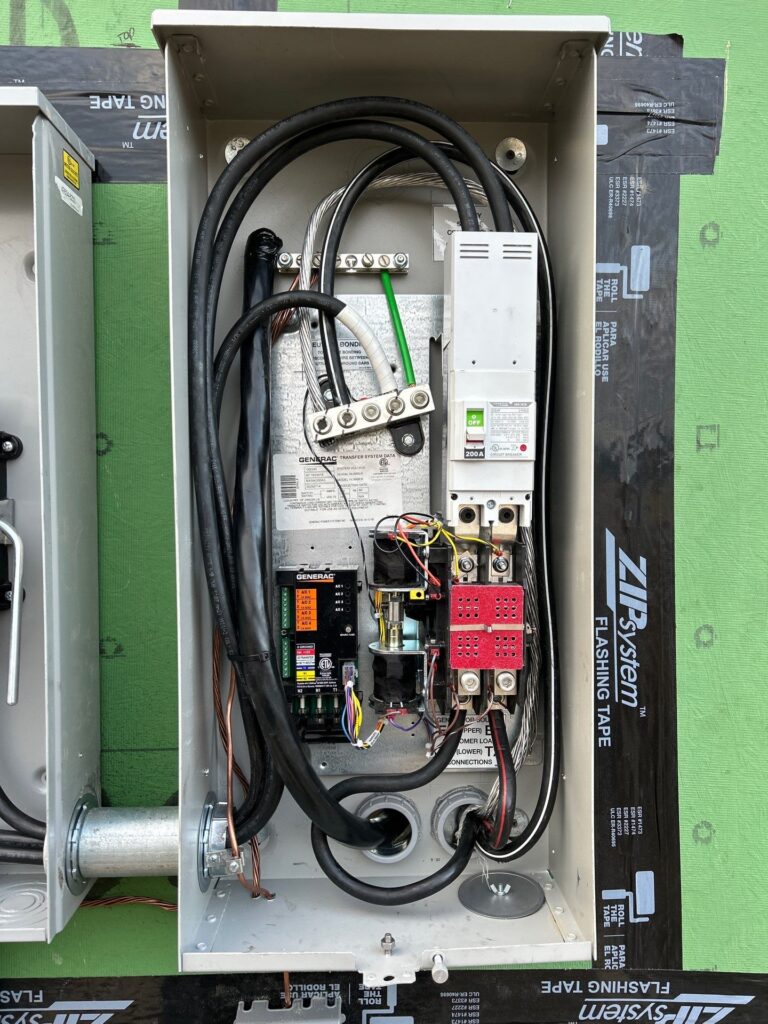
The benefits of a subpanel are numerous. It streamlines wiring, making the system cleaner and easier to maintain. It consolidates all the new addition’s electrical controls in one convenient location. Most importantly, it saves valuable space in the main panel, using only one large breaker to power the entire addition. The electrician determines the appropriate size of the subpanel (e.g., 60 amp, 100 amp, or 125 amp) based on the specific load calculation of the new space. This step is a necessary part of the panel review for any detached or major vertical expansion.
Code Compliance and New Wiring Requirements
Modern electrical codes are drastically stricter than the codes used when many Idaho Falls homes were built. Any new construction or addition must adhere to the latest National Electrical Code (NEC) standards, and this immediately impacts the cost and scope of the electrical work.
A crucial part of the panel review involves ensuring the new circuits use the required safety devices. This means all new general outlets in living areas must be protected by Arc Fault Circuit Interrupters (AFCIs). AFCIs detect the unique electrical signature of dangerous arcing in the wiring, shutting off power before a fire can start. Bathrooms, garages, and outdoor spaces require Ground Fault Circuit Interrupters (GFCIs) for shock protection. The electrician ensures the existing panel can support the installation of these modern safety breakers or that the downstream outlets are properly equipped.
Want to know if your home has enough power for a remodel? Click here for more information.
Furthermore, the electrician plans for all mandatory dedicated circuits required by the new space. A new bathroom requires a dedicated 20-amp circuit for the outlets. If the addition includes a kitchenette or a laundry area, dedicated circuits must be installed for all major appliances. The electrician ensures the wiring from the panel to the new space is sized correctly for the load, a detail often missed in DIY planning. A professional review ensures all new wiring and components are properly grounded and sized, guaranteeing a safe system that will pass mandatory local inspections.
The Minuteman Services Dual Advantage
Minuteman Services is uniquely qualified to handle the electrical planning for your home addition in Idaho Falls due to our dual expertise in both electrical and HVAC systems. This is a significant advantage, especially when planning a major expansion.
A new addition almost always involves new heating and cooling. This may mean installing a high efficiency heat pump mini split or extending the ductwork and capacity of your central HVAC system. Both of these solutions require specialized, often high-amperage 240-volt electrical circuits. Our dual trained technicians conduct a holistic load calculation. They don’t just calculate the load of the outlets; they accurately calculate the specific, sustained load of the new HVAC equipment in conjunction with the rest of the new electrical demands.

This prevents a common planning failure where the electrical system is sized only for general power, only to be overwhelmed when the new HVAC unit is finally connected. By planning both the electrical and the HVAC needs simultaneously, Minuteman Services ensures the panel upgrade is correctly sized the first time, preventing expensive, last minute changes and coordination headaches between different contractors.
When planning a home addition, the electrical panel is the critical starting point, not an afterthought. It is the core constraint that determines the size, functionality, and safety of your entire expansion. Attempting to bypass a panel review risks constant circuit trips, compromised safety standards, and costly construction delays down the line. For safety, code compliance, and reliable power for your new Idaho Falls space, a professional load calculation and panel review is the necessary first step. Trust Minuteman Services to ensure your electrical foundation is rock solid, giving you the power you need to safely build your dream addition.