
Avoid the Emergency Call: Preventive HVAC Tips for Cold Months
The cold months in Idaho Falls are not a time for guesswork when it comes to home heating. When temperatures drop, the last thing any homeowner wants is to face a furnace failure that necessitates a costly, stressful, middle-of-the-night emergency service call. These crises often strike when the system is under maximum stress—during the most severe cold snaps—and are almost always caused by an underlying issue that could have been prevented with simple, proactive maintenance.
Your HVAC system, particularly your furnace, is a workhorse that needs regular attention to survive the sustained demands of a cold climate. By adopting a few simple preventive habits and scheduling professional checks before the worst of winter hits, you can dramatically reduce the risk of a catastrophic breakdown. Preventing the emergency call saves you money on surge pricing for repairs, extends the life of your equipment, and ensures uninterrupted warmth and safety for your family throughout the season. The key is consistent, focused action, concentrating on airflow, system integrity, and professional assessment.
Prioritize Airflow: The Filter is Your First Defense
The single most critical and easiest preventive measure you can take to protect your furnace is managing the air filter. A clean air filter is the foundation of a healthy, efficient HVAC system. A dirty filter, conversely, is the number one cause of furnace failure and inefficiency.
As the filter clogs with dust, pet dander, and debris, it restricts the flow of air into the furnace. This restriction forces the blower motor to work harder, accelerating wear and tear and driving up energy consumption. More dangerously, restricted airflow causes the furnace to overheat. When the furnace overheats, a crucial safety component called the limit switch is activated, which automatically shuts down the burners to prevent damage to the heat exchanger. This leads to the frustrating problem of the furnace short cycling—turning on for a short time, overheating, shutting off, and repeating the cycle without adequately heating the home.
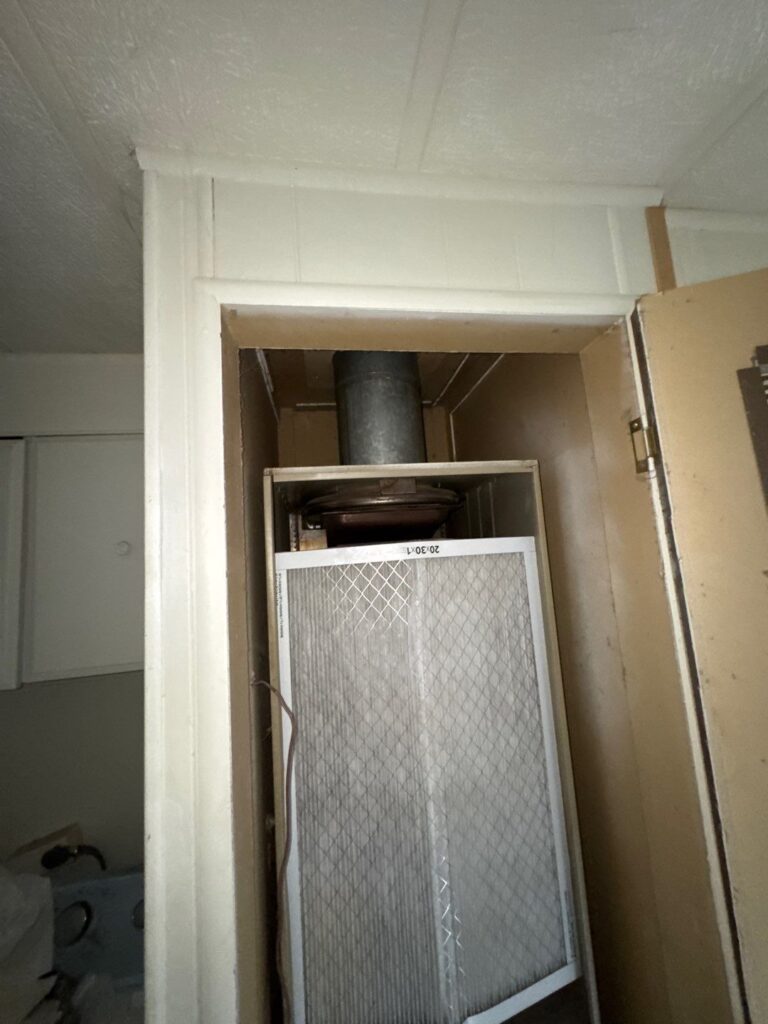
The recommended replacement schedule for filters is typically every 30 to 90 days, depending on the filter type and conditions in your Idaho Falls home, such as pets or recent remodeling. During the heaviest heating months, checking the filter every 30 days is a wise habit. If the filter is visibly gray or black, replace it immediately. This simple, inexpensive action ensures maximum airflow, prevents overheating, and keeps your system running efficiently.
Clear the Area Around Vents and Units
The performance of your heating system depends entirely on unobstructed access to both intake (return) air and exhaust. Blockages in and around your HVAC equipment can severely compromise safety and function.
Indoors, take a walk through every room and ensure that no furniture, rugs, curtains, or decorations are blocking the supply registers (the vents where warm air comes out) or the return air grilles (where cool air is sucked back in). If a large return grille is blocked, the furnace cannot “breathe,” leading to the same restricted airflow and overheating issues caused by a dirty filter. Even partially blocked supply vents can disrupt the delicate air pressure balance, leading to uncomfortable drafty rooms and uneven heating throughout the house.
Need furnace maintenance? Click here for our furnace maintenance service.
Outdoors, the area around the furnace’s exhaust and air intake vents must be kept perfectly clear. For high efficiency gas furnaces, these vents are typically white PVC pipes located near the foundation or on the side of the house. Snow, ice, and debris, even a small amount, can easily block these pipes. If the intake pipe is blocked, the furnace starves for combustion air and shuts down. If the exhaust pipe is blocked, the furnace’s safety controls should prevent it from running. However, a blocked exhaust is a serious hazard because it can potentially cause deadly, odorless carbon monoxide gas to backdraft into your home. Throughout the winter, especially after heavy snow or freezing rain, check these vents immediately and clear them with a soft brush, never a shovel.
For homeowners with a heat pump or an outdoor air conditioning condenser unit, ensure that snow and ice do not build up around the unit’s base. The unit must be elevated and have several feet of clearance on all sides to allow proper airflow and drainage during the defrost cycle. Ice accumulation can damage the fan blades and compromise the heat pump’s ability to extract heat.
Listen for Warning Sounds and Odors
Your furnace is engineered to run relatively quietly, especially modern units. Any new, persistent sound or odor is a direct request for professional attention and should not be ignored.
Listen for mechanical warnings. A high pitched screeching or squealing is almost always a sign of worn bearings in the blower motor or a loose belt. Ignoring this sound will inevitably lead to a motor seizure and a complete shutdown. A loud banging or popping noise during ignition is a critical warning known as delayed ignition. This means gas is building up before being lit, and when it finally ignites, the small explosion stresses the heat exchanger. This is dangerous and requires immediate diagnosis.

Pay attention to smells. While a slight dusty smell when the furnace turns on for the first time in the fall is normal, any persistent burning odor (like plastic or metal), or the highly dangerous rotten egg smell (indicating a gas leak), requires immediate action. A burning plastic smell signals melting electrical components and a potential fire, while the rotten egg smell necessitates evacuating the home and calling the gas company immediately. Do not delay action when your senses warn you of a problem.
The Necessity of Professional Pre-Season Maintenance
While homeowners can handle filter changes and external clearing, the critical internal workings of your furnace require the eyes and tools of a licensed HVAC professional. Scheduling a professional tune up before the cold months arrive is the single most effective way to prevent an emergency call.
During a pre-season maintenance check, a Minuteman Electric & HVAC technician performs comprehensive, safety-focused tasks that you cannot do yourself. They clean and adjust the burners to ensure optimal fuel combustion and efficiency. They check the electrical connections and terminals for tightness, reducing the risk of arcing and fire. They lubricate moving parts like the motor bearings to prevent the screeching sounds and premature failure.
Want to know what your furnace noises mean? Click here for more information.
Crucially, the technician performs a safety inspection on the heat exchanger for cracks and checks the flue pipe for proper venting, safeguarding against carbon monoxide leaks. They test all safety controls, including the limit switch and the flame sensor, ensuring the system will shut down safely if a fault occurs. This thorough inspection catches the small issues—a weak capacitor, a dirty flame sensor, a loose wire—that are the primary causes of emergency breakdowns in the dead of winter. This scheduled maintenance ensures maximum efficiency and extends the overall life of your equipment.
Examine the Electrical and Thermostat Controls
Finally, check the less obvious components that govern your heating system: the thermostat and the electrical disconnect.
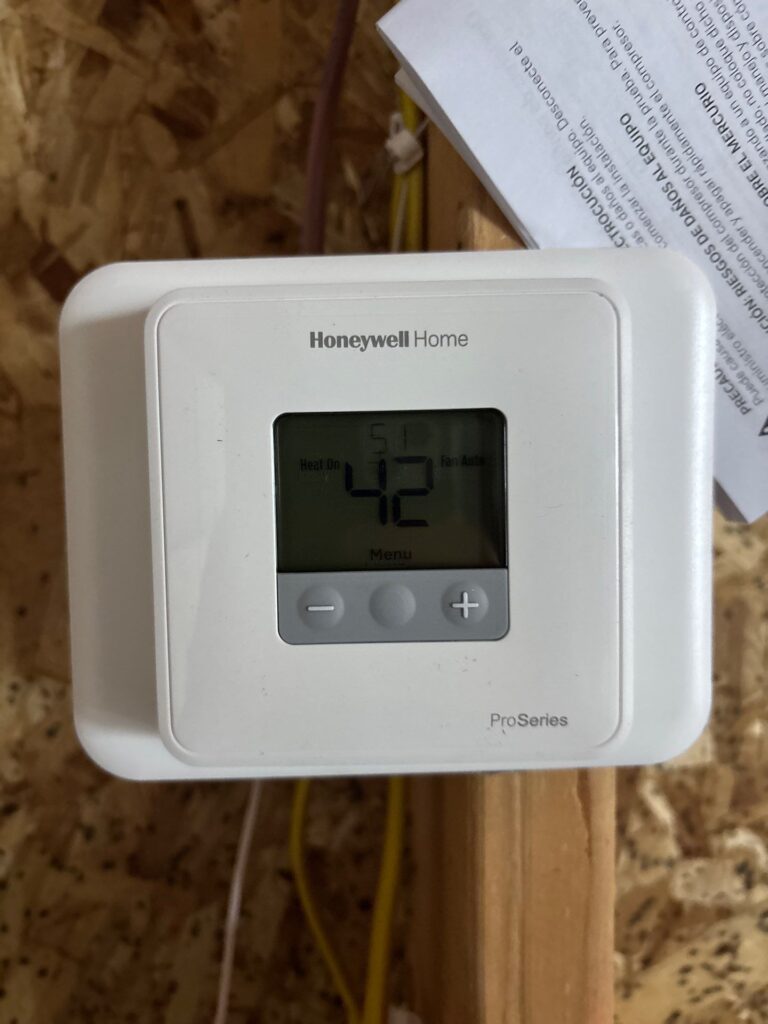
Ensure your thermostat is functioning accurately. An old, inaccurate, or poorly calibrated thermostat can be causing your furnace to short cycle or run too long, wasting energy and stressing the equipment. If you suspect your thermostat is off by more than a couple of degrees, or if it is an ancient mechanical model, consider upgrading to a modern programmable or smart thermostat. This allows for scheduled setbacks that save energy and remove the guesswork of manual operation, reducing wear and tear on your furnace. If your system is multi stage or a heat pump, ensure you are using a compatible thermostat to prevent constant reliance on expensive auxiliary heat.
Locate the electrical power switch for your furnace, which is typically a wall-mounted box near the furnace itself. Ensure it is in the “On” position and that no one accidentally bumps it to the “Off” position. During a storm or a service event, knowing where this switch is located is essential for safely shutting down the unit. Also, ensure the furnace circuit breaker in your main electrical panel is clearly marked. If the breaker is constantly tripping, call an electrician immediately, as this signals a serious electrical problem that your furnace is struggling with.
Avoiding the emergency HVAC call in the heart of the Idaho Falls winter is a matter of diligence, not luck. It requires proactively managing the basics—changing your air filter and keeping vents clear—and recognizing the auditory and olfactory warnings that your system is in distress. Most importantly, it requires relying on the expertise of a professional for your annual pre-season tune up and safety inspection. By taking these preventive steps now, you protect your investment, maximize your energy savings, and guarantee that your home remains safely and reliably warm, allowing you to bypass the stress and cost of a winter heating emergency.